
RRA Rwanda: Boosts Fair Taxation Small Business Research
Summary
- The Rwanda Revenue Authority (RRA) emphasizes research as critical for refining the national tax system.
- RRA leadership stated that evidence-based policy will improve revenue mobilization and ensure fair taxation.
- A key objective is to prevent disproportionate tax pressure on small businesses.
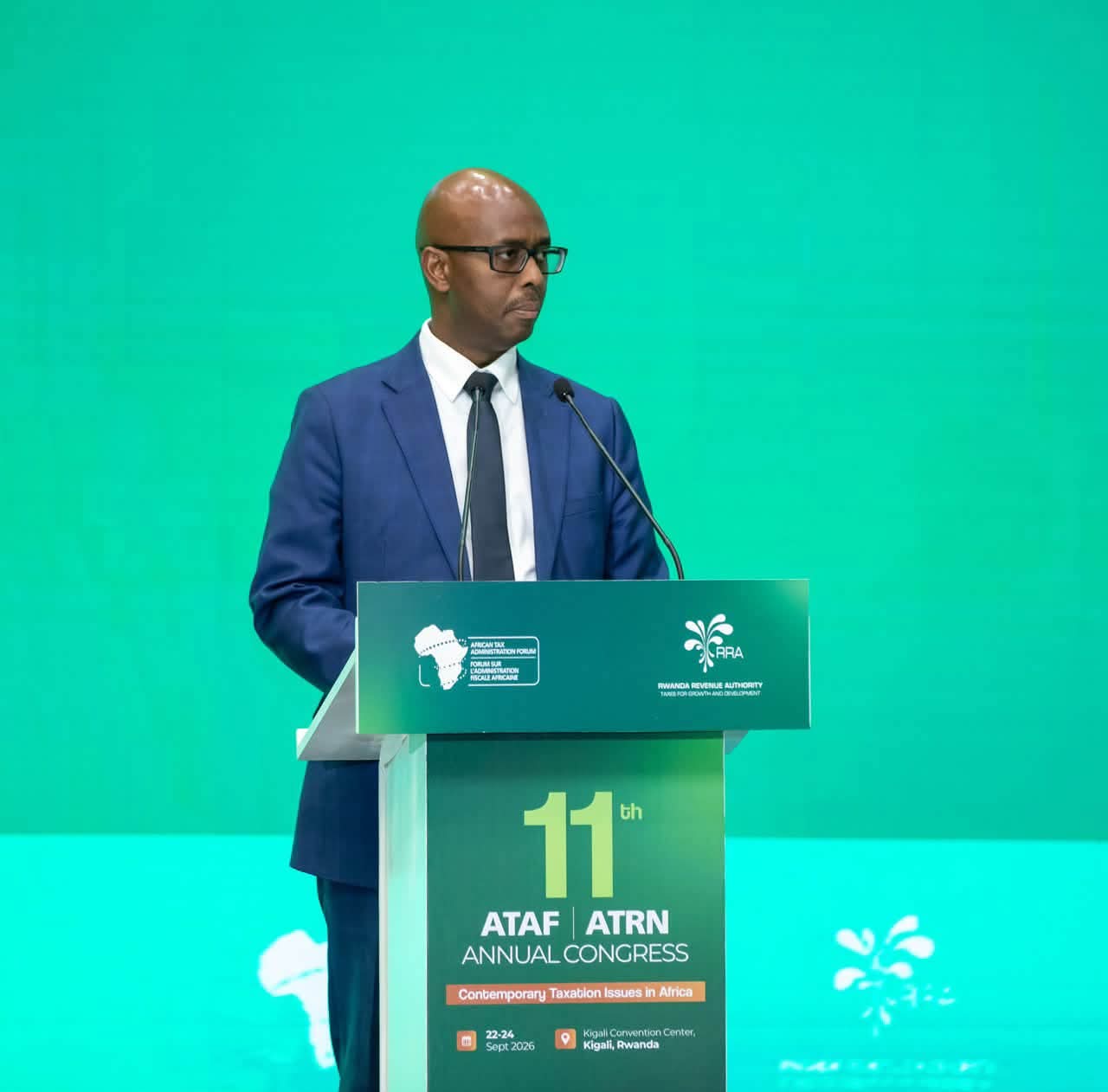
- These remarks were made by Ronald Niwenshuti, the RRA Commissioner General, during the 11th African Tax Research Network Congress currently being hosted in Kigali.
- The RRA is committed to leveraging research for informed decision-making in tax policy.
RRA's Strategic Focus on Research for Tax Reform
This proactive stance on RRA fair taxation small business research underscores a strategic shift towards data-driven policy formulation, aiming to create a more equitable and sustainable economic environment.
The Rwanda Revenue Authority (RRA) has publicly affirmed that robust research will serve as a cornerstone for enhancing the nation's tax framework. According to statements from RRA leadership, a dedicated commitment to evidence-based inquiry is deemed essential for the continuous refinement of Rwanda's fiscal policies. This strategic emphasis is designed to achieve multiple critical objectives: to significantly improve overall revenue mobilization, to ensure that the national tax system operates with greater efficiency, and crucially, to prevent taxation from imposing an undue or disproportionate burden on small businesses. This proactive stance on **RRA fair taxation small business research** underscores a strategic shift towards data-driven policy formulation, aiming to create a more equitable and sustainable economic environment. The authority's leadership highlighted that by grounding policy decisions in thorough research, they can better anticipate impacts and tailor regulations to foster growth across all sectors.
This commitment signals a forward-looking approach to governance, where policy adjustments are not merely reactive but are instead informed by comprehensive data analysis. Such a methodology is expected to lead to more stable and predictable tax policies, which are beneficial for both taxpayers and the government. The RRA's vision for a research-driven tax system aims to balance the imperative of national financial needs with the economic viability and growth potential of enterprises, particularly those in the small business sector.
The Context: ATRN Congress in Kigali
These pivotal declarations were made by Ronald Niwenshuti, the RRA Commissioner General, during the 11th African Tax Research Network (ATRN) Congress, an influential gathering currently being hosted in Kigali. Addressing Taarifa, Niwenshuti elaborated on the institution's vision for harnessing academic and practical insights to spearhead **Rwanda tax system reform research**. The congress itself provided a significant international platform for tax experts, policymakers, and researchers from across the African continent to engage in dialogue, share innovative ideas, and discuss best practices in tax administration and policy.
The choice of the **African Tax Research Network Congress Kigali** as the venue for this announcement underscores the RRA's commitment to integrating its national objectives within a broader regional and continental discourse on fiscal governance. This engagement signifies a move towards more sophisticated, data-informed approaches to tax policy that are responsive to both local economic realities and global trends. The RRA's participation and pronouncements at such a high-profile event reinforce its dedication to collaborative learning and the adoption of cutting-edge methodologies in tax management.
Ensuring Fair Taxation and Alleviating SME Burden
A primary driver behind the RRA's intensified focus on research is the explicit goal of mitigating any potential for the tax system to place excessive pressure on small and medium-sized enterprises (SMEs). The RRA leadership unequivocally stated that comprehensive research would be indispensable in preventing disproportionate taxation on these vital contributors to the Rwandan economy. By systematically analyzing the specific effects of various tax policies on businesses of different sizes and sectors, the RRA intends to develop regulations that are supportive of SME growth rather than inhibitory.
This dedicated effort to address the **RRA SME tax burden** through rigorous research initiatives is aimed at cultivating a more inclusive and dynamic economic landscape. The ultimate objective is to guarantee that the tax framework remains inherently fair, promotes business development, and allows small enterprises to flourish while still contributing appropriately and sustainably to national revenue. This commitment to understanding and alleviating the **Rwanda tax system reform research** implications for SMEs is a cornerstone of the RRA's forward-looking agenda, promising a more balanced and equitable fiscal future for the nation's burgeoning business sector.
Practical Implications
Lawyers and compliance officers advising small businesses in Rwanda should monitor RRA's stated commitment to evidence-based research for tax policy, as it signals potential future reforms aimed at ensuring fair taxation and could lead to new compliance requirements or incentives for SMEs.
Source
Source: Original reporting via Taarifa.
How does this affect you?
Get an AI analysis of this article grounded in your jurisdictions, practice areas, and any policy documents you've uploaded to Wansom.
Finish Reading the Full Story and the Expert Analysis.
Get the latest legal & regulatory intelligence in Rwanda
Wansom is AI and can make mistakes.