
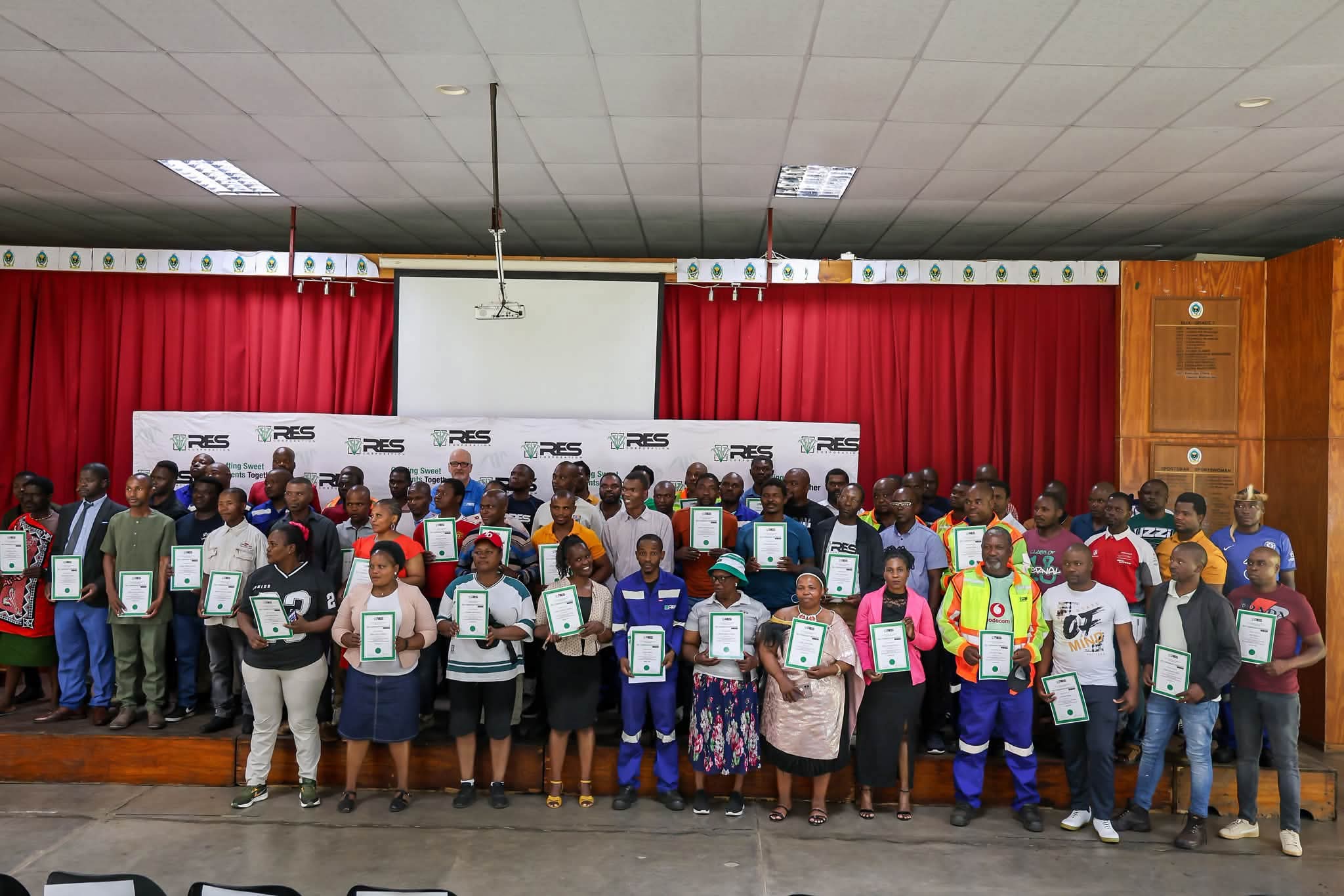
Royal Eswatini Sugar Corporation Awards 82 Workers RPL Certificates
The Royal Eswatini Sugar Corporation (RES), in Eswatini, awarded Recognition of Prior Learning (RPL) certificates to 82 employees, formally acknowledging their skills and knowledge acquired through practical experience.
This event signifies a growing trend in Eswatini towards formalizing and valuing experiential learning within the workforce, which has significant implications for labor law, skills development policies, and employment equity. RPL programs can enhance employee mobility, improve productivity, and contribute to a more skilled and recognized labor force, potentially influencing wage structures, career progression, and collective bargaining agreements. For employers like RES, it demonstrates a commitment to human capital development and can lead to a more engaged and qualified workforce. For the broader economy, it helps to bridge the gap between informal skills acquisition and formal qualifications.
While the excerpt does not detail specific legislation, RPL programs typically operate within the framework of national qualifications authorities, if one exists in Eswatini, similar to the South African Qualifications Authority (SAQA) in neighboring South Africa. These bodies establish standards for assessing and recognizing prior learning. Eswatini's labor laws, overseen by the Ministry of Labour and Social Security, would likely govern aspects of training, skills development, and employment standards, ensuring that such recognition aligns with national policies. Collective bargaining agreements between RES and its employees' unions might also incorporate provisions for skills recognition and development, impacting terms of employment and career paths. The specific legal instruments governing RPL in Eswatini are not detailed in the provided text.
Key parties involved in this development include The Royal Eswatini Sugar Corporation (RES) as the employer implementing the program, and the 82 employees who are the direct beneficiaries of the RPL certificates. Indirectly, relevant educational or skills development authorities in Eswatini would be involved in setting standards or accrediting such programs. The event highlights a proactive approach by a major corporate entity in the country to invest in its workforce and align with modern human resource practices.
Attorneys advising employers in Eswatini should consider the benefits and legal implications of implementing RPL programs, including their impact on employment contracts, remuneration structures, and compliance with skills development legislation. For employees, understanding the opportunities presented by RPL can be crucial for career advancement and negotiating terms of employment. Legal professionals should monitor the development of national policies and frameworks around skills recognition and lifelong learning, as these can significantly influence labor relations and human resource strategies across various industries in Eswatini.
How does this affect you?
Get an AI analysis of this article grounded in your jurisdictions, practice areas, and any policy documents you've uploaded to Wansom.
Finish Reading the Full Story and the Expert Analysis.
Get the latest legal & regulatory intelligence in Eswatini
Wansom is AI and can make mistakes.