
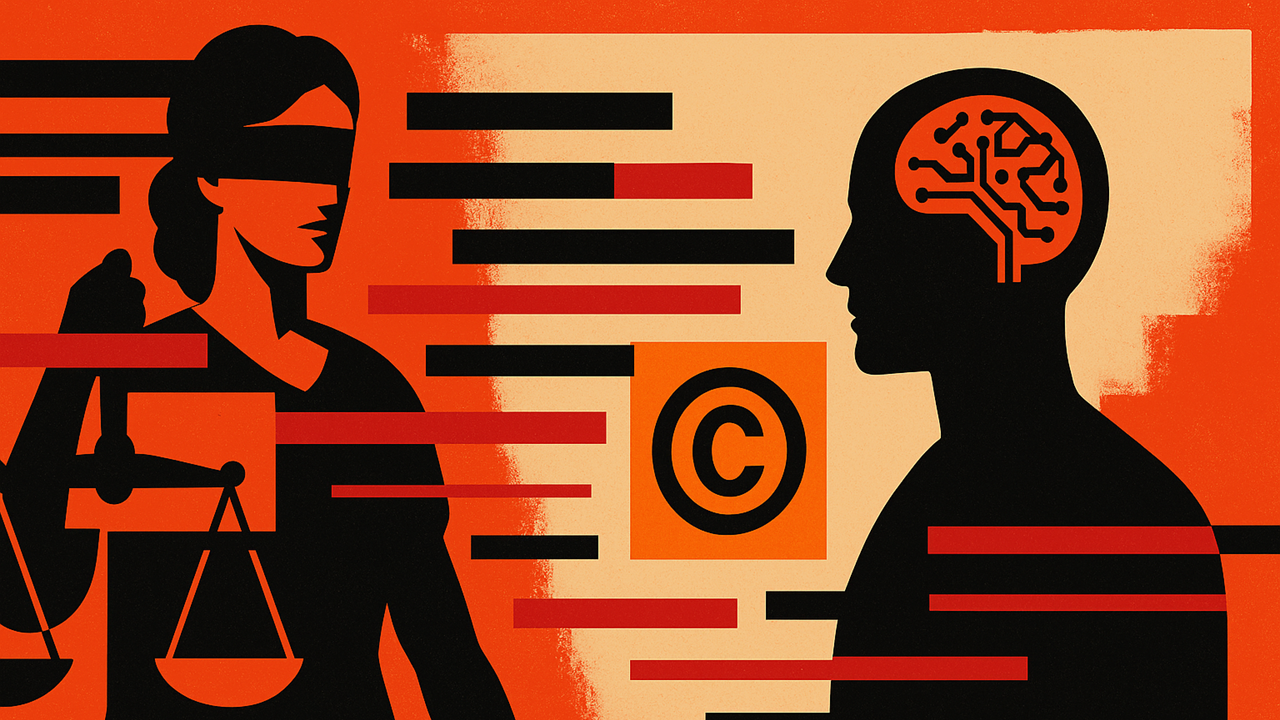
ROSS Intelligence: Seeks Supreme Court Review of Thomson Reuters Copyright Ruling
Summary
- ROSS Intelligence plans to ask the U.S. Supreme Court to review a recent Third Circuit ruling.
- The 3rd U.S. Circuit Court of Appeals sided with Thomson Reuters in a long-running copyright dispute against ROSS.
- Yar Chaikovsky of White & Case stated ROSS disagrees with the ruling, citing continued uncertainty for AI model training copyright.
- ROSS seeks Supreme Court review to gain clarity on copyright law's application to AI.
- The company believes the case has significant implications for AI innovation and development.
What Happened
Lawyers advising clients involved in AI development or data licensing should closely monitor the outcome of ROSS's petition for Supreme Court review.
The legal landscape surrounding artificial intelligence and intellectual property is poised for a significant development, as ROSS Intelligence has announced its intention to petition the U.S. Supreme Court for review. This move follows a recent decision by the 3rd U.S. Circuit Court of Appeals, which sided with Thomson Reuters in a protracted copyright dispute. The ruling marks a critical juncture in the ongoing legal battle between the now-defunct AI legal research firm and the established legal information giant.
ROSS Intelligence, once a prominent player in the AI-driven legal technology sector, is challenging the appellate court's judgment, which upheld Thomson Reuters' position in the long-running copyright infringement case. The dispute centers on allegations of unauthorized use of copyrighted material, a common flashpoint as AI models increasingly rely on vast datasets for training. The decision by the Third Circuit has prompted ROSS to seek the highest judicial review, signaling the profound implications this case holds for the burgeoning AI industry.
Legal Context
In response to the Third Circuit's ruling, Yar Chaikovsky, a partner at White & Case, issued a statement on behalf of ROSS Intelligence, articulating the company's strong disagreement with the outcome. Chaikovsky emphasized that the appellate court's decision, in ROSS's view, contributes to persistent ambiguity concerning how copyright law should be applied to the intricate process of training artificial intelligence models. This uncertainty, he suggested, could have far-reaching consequences for technological advancement.
The statement underscored ROSS's commitment to pursuing a Supreme Court review, driven by the imperative to secure much-needed clarity on these complex legal questions. The company believes that a definitive ruling from the nation's highest court is essential to resolve the interpretive challenges presented by AI model training copyright issues. This pursuit highlights the critical need for judicial guidance in an area where technological innovation often outpaces existing legal frameworks.
Why It Matters
The potential for the Supreme Court to consider the ROSS Intelligence copyright appeal against Thomson Reuters carries substantial weight for the future trajectory of artificial intelligence development. As articulated by ROSS's representative, the issues at stake have "significant implications for innovation and the development of AI technologies." A Supreme Court decision, or even the granting of certiorari, could establish a pivotal precedent for the application of copyright law to AI, particularly concerning the use of copyrighted data for model training.
Lawyers advising clients involved in AI development or data licensing should closely monitor the outcome of ROSS's petition for Supreme Court review. The resolution of this case could profoundly influence compliance strategies for technology companies and content creators alike, shaping how intellectual property is protected and utilized in the age of advanced AI. The legal clarity sought by ROSS Intelligence could either foster or constrain innovation, depending on how the Supreme Court ultimately interprets the intersection of copyright and artificial intelligence. The Third Circuit Thomson Reuters copyright ruling, if left unchallenged, would continue to fuel the uncertainty ROSS seeks to address at the highest level.
Practical Implications
Lawyers advising clients on AI development or data licensing should closely monitor the Supreme Court's decision on whether to grant certiorari in this case, as its outcome could establish a critical precedent for copyright liability concerning AI model training and data usage. This could impact compliance strategies for technology companies and content creators.
Source
How does this affect you?
Get an AI analysis of this article grounded in your jurisdictions, practice areas, and any policy documents you've uploaded to Wansom.
Finish Reading the Full Story and the Expert Analysis.
Get the latest legal & regulatory intelligence in United States
Wansom is AI and can make mistakes.