
Rokhaya Fall: Condamnation Raises Questions for Binationaux Enfants
Summary
- Rokhaya Fall, known as "Rox la Chancelière," was sentenced to two years in prison, including six months firm, by the Tribunal de Pikine-Guédiawaye on September 18, 2026.
- The conviction included a 100,000 FCFA fine and 2,000,000 FCFA in damages to Adji Mass Gaye, based on charges like cyber insults and death threats.
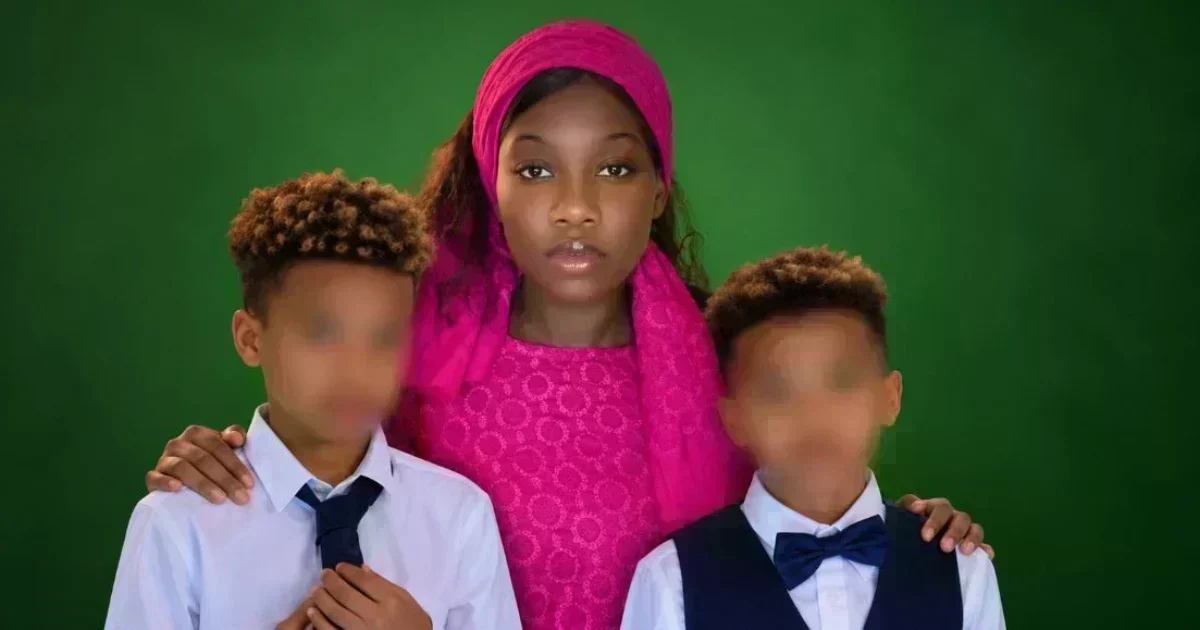
- The court's verdict did not resolve the situation of Fall's two German-national children, Lucas and Djibson, who were in Senegal at the time of her arrest.
- Their status remains an unresolved "imbroglio" due to their German nationality and family ties between Dakar and Germany, despite the conclusion of the criminal case.
- This condemnation follows earlier legal disputes, including a September 11, 2026, confrontation with Ramatoulaye Diaw, which resulted in the withdrawal of two complaints.
Court's Verdict Against Rokhaya Fall
The court's verdict did not resolve the situation of Fall's two German-national children, Lucas and Djibson, who were in Senegal at the time of her arrest.
The Tribunal de Pikine-Guédiawaye delivered a significant judgment on Friday, September 18, 2026, in the case against Rokhaya Fall, widely recognized by her alias, "Rox la Chancelière." The court found Ms. Fall guilty on multiple counts stemming from her social media activities, leading to a two-year prison sentence, with six months to be served unconditionally.
In addition to the custodial sentence, the court imposed a fine of 100,000 FCFA. Furthermore, Ms. Fall was ordered to pay 2,000,000 FCFA in damages to Adji Mass Gaye. The charges that led to this conviction included criminal conspiracy, cyber insults targeting Adji Mass Gaye, and death threats directed at Khadijatou Kébé.
Notably, one specific charge, initially framed as the distribution of images contrary to public morals, was reclassified by the court to "discourse contrary to public morals" during the proceedings. While several other accusations against Ms. Fall resulted in acquittals, the severity of the retained charges underscores the legal ramifications of online conduct, particularly concerning the injures informatiques Sénégal Rox aspect of the case. This verdict concludes the criminal examination of the matter, but its implications extend beyond the immediate penal outcome.
The Unresolved Status of Binational Children
The legal proceedings against Rokhaya Fall, culminating in her recent condemnation, have cast a spotlight on the precarious situation of her two children, Lucas and Djibson. These two boys, who hold German nationality, were present in Senegal at the time of their mother's arrest. Despite the finality of the criminal judgment, the court's decision did not address or resolve the complex family and legal circumstances surrounding the children.
The Rokhaya Fall condamnation enfants binationaux highlights a significant challenge: the children's German citizenship combined with their current presence in Senegal creates an intricate legal and familial "imbroglio." The ongoing ties between Dakar and Germany further complicate their residency and custody arrangements. The criminal verdict, while concluding Ms. Fall's penal case, leaves the fundamental question of the children's future unresolved, suggesting potential future legal battles concerning their garde enfants binationaux Dakar.
This situation underscores the intricate interplay between national criminal law and international family law, particularly for enfants binationaux Sénégal Allemagne. The lack of a clear resolution for Lucas and Djibson means their status remains in limbo, a direct consequence of their mother's legal troubles and their dual national identity.
Broader Legal Context and Prior Disputes
The recent verdict against Rokhaya Fall is not an isolated incident but forms part of a broader series of legal confrontations involving Rox la Chancelière. Her Rox Fall jugement Pikine-Guédiawaye follows earlier judicial engagements that illustrate the contentious nature of her public profile and online interactions.
Just a week prior to her condemnation, on September 11, 2026, Ms. Fall was involved in a confrontation with Ramatoulaye Diaw, also known as "Ramz Yago." This encounter led to the withdrawal of two complaints that had been filed. During this interaction, Ramz Yago admitted to having insulted Rox's deceased mother. However, Ramz Yago simultaneously denied being the individual responsible for filming a video at the Yoff cemetery, indicating a complex web of accusations and counter-accusations.
These preceding events provide essential context to the criminal charges that ultimately led to Rokhaya Fall's conviction. They illustrate a pattern of disputes often originating from online interactions and public confrontations, which have now culminated in a significant legal outcome for Ms. Fall, while leaving the fate of her binational children in an uncertain state.
Practical Implications
This case highlights the complex interplay between criminal convictions and international family law, particularly concerning the custody and residency of binationals. Lawyers should note the unresolved status of the children, indicating potential future litigation in family courts involving international jurisdictions and cross-border parental rights.
Source
Source: Original reporting via Senenews
How does this affect you?
Get an AI analysis of this article grounded in your jurisdictions, practice areas, and any policy documents you've uploaded to Wansom.
Finish Reading the Full Story and the Expert Analysis.
Get the latest legal & regulatory intelligence in Senegal
Wansom is AI and can make mistakes.