
RETRAK Kenya: Calls for Stronger Illicit Trade Enforcement
Summary
- The Retail Trade Association of Kenya (RETRAK) has expressed significant concern over the rising trade in illicit cigarettes, alcohol, and counterfeit goods.
- RETRAK advocates for a joint enforcement plan among key agencies, urging them to investigate the entire supply chain of illicit products, not just retail seizures.
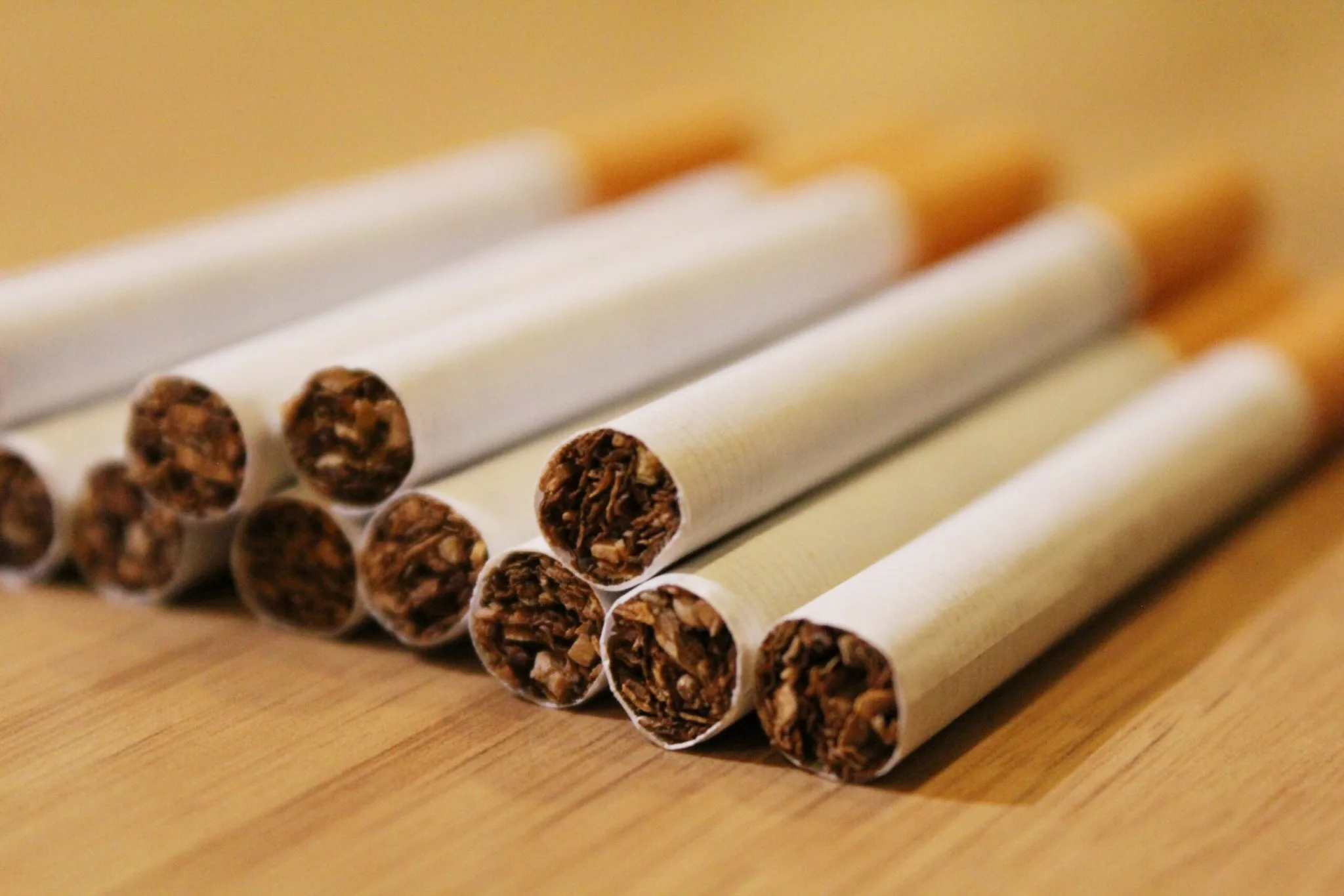
- Illicit cigarettes are projected to comprise 45.1% of Kenya's market in 2025, costing the government KSh10.2 billion in excise duty and VAT that year.
- Illicit alcohol accounts for approximately 59% of alcohol consumed by volume in Kenya, with an estimated economic cost of KSh71 billion in 2022.
- RETRAK emphasizes that legitimate retailers are disadvantaged by this trade and advises members to conduct due diligence on suppliers and reject unverified products.
The Growing Challenge
By following this comprehensive trail, enforcement agencies can effectively disrupt criminal networks and prevent future deliveries.
The Retail Trade Association of Kenya (RETRAK) has voiced significant alarm regarding the escalating prevalence of illicit trade across the nation, specifically citing a surge in counterfeit goods, illegal alcohol, and unregulated cigarettes. This widespread issue poses substantial threats to public revenue, the integrity of legitimate businesses, and consumer safety. The association emphasizes the urgent need for robust RETRAK Kenya illicit trade enforcement to dismantle the sophisticated networks facilitating these illegal operations.
Recent data underscores the severity of the problem. A study by Kantar revealed that illicit cigarettes are projected to constitute 45.1 percent of Kenya’s total cigarette market in 2025, marking a considerable increase from 34.1 percent in 2021. This illicit activity is estimated to cost the government KSh10.2 billion in excise duty and Value Added Tax (VAT) in 2025 alone, with cumulative losses between 2021 and 2025 reaching KSh47 billion. Furthermore, KRA illicit trade statistics indicate that illicit alcohol accounts for approximately 59 percent of all alcohol consumed by volume in Kenya, incurring an estimated economic cost of KSh71 billion in 2022, according to figures presented to Parliament by the Anti-Counterfeit Authority (ACA). The ACA's latest firm-level survey also found that counterfeit items represented an average of 18 percent of products in surveyed sectors, including 21 percent of motor vehicle spare parts and 19 percent of alcoholic drinks, highlighting the pervasive nature of Kenya retail illicit products.
Call for Coordinated Action
In response to this escalating crisis, RETRAK is advocating for a more unified and strategic approach from key regulatory and enforcement bodies. The association specifically calls upon the Kenya Revenue Authority (KRA), the Anti-Counterfeit Authority (ACA), the Kenya Bureau of Standards (KEBS), and the National Police Service to implement a joint enforcement plan. This plan should include designating a lead agency and regularly publishing progress reports to enhance public accountability regarding the Kenya illicit goods crackdown. Wambui Mbarire, RETRAK’s Chief Executive Officer, stressed that current enforcement efforts, which often focus on seizures at retail outlets, are merely scratching the surface.
Mbarire asserted that investigators must extend their reach beyond point-of-sale confiscations to thoroughly probe the entire supply chain. This involves identifying suppliers, tracing transportation routes, locating storage facilities, and uncovering the financial backers behind illicit consignments. By following this comprehensive trail, enforcement agencies can effectively disrupt criminal networks and prevent future deliveries. Recent Anti-Counterfeit Authority enforcement Kenya operations illustrate the ongoing challenge, with the ACA seizing counterfeit goods valued at over KSh563 million in the first three quarters of the 2025/26 financial year. Similarly, KRA destroyed fake and illicit goods worth KSh218 million in July and intercepted nearly 100 tonnes of smuggled sugar in Lodwar and Marsabit, underscoring the scale of the problem.
Impacts and Retailer Responsibilities
The proliferation of illicit trade creates an unfair competitive landscape, severely disadvantaging legitimate businesses that adhere to licensing requirements, maintain proper records, and source goods through verified channels. These compliant retailers struggle to compete against operators who benefit from smuggled and counterfeit products, often evading taxes and regulatory obligations. RETRAK’s CEO, Wambui Mbarire, highlighted that this situation undermines legitimate enterprises, jeopardizes employment, and exposes consumers to potentially hazardous products.
To empower retailers in combating this issue, RETRAK is urging for the provision of practical tools that enable verification of excise stamps and product authentication marks. The association also seeks clear guidelines for handling suspicious deliveries and establishing secure, accessible channels for both shop workers and the public to report suspected illicit goods, with feedback on actions taken. RETRAK reaffirmed its stance that retailers must diligently conduct due diligence on their suppliers, retain all invoices, and refuse products whose origins cannot be adequately verified. The organization has also expressed its readiness to collaborate with regulators and enforcement agencies to develop comprehensive guidance and awareness programs tailored for all retailers, including small traders, as part of a broader RETRAK counterfeit goods warning initiative. Beyond economic concerns, Mbarire cautioned that illicit trade poses a direct threat to public safety, citing the inherent risks associated with items such as counterfeit alcohol and fake vaping products.
Practical Implications
Lawyers advising retailers and manufacturers in Kenya should note the intensified call for coordinated enforcement against illicit trade, necessitating a review of client supply chain due diligence, product authentication processes, and internal reporting mechanisms for suspicious goods to mitigate compliance risks and potential penalties from KRA, ACA, and KEBS.
Source
How does this affect you?
Get an AI analysis of this article grounded in your jurisdictions, practice areas, and any policy documents you've uploaded to Wansom.
Finish Reading the Full Story and the Expert Analysis.
Get the latest legal & regulatory intelligence in Kenya
Wansom is AI and can make mistakes.