
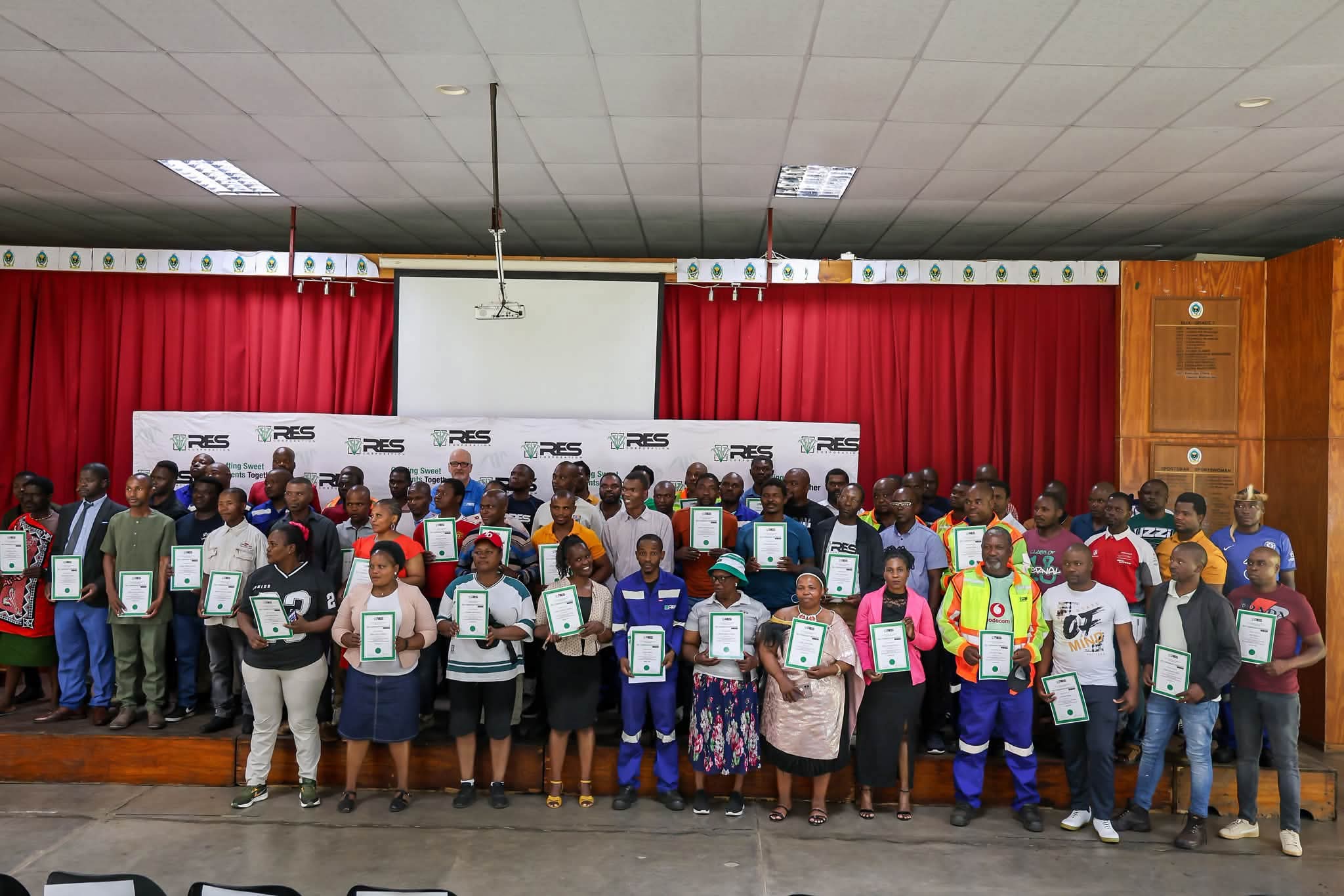
RES Eswatini: 82 Employees Awarded RPL Certificates
Summary
- The Royal Eswatini Sugar Corporation (RES) recently awarded certificates to 82 of its employees.
- These certificates were issued under the company's Recognition of Prior Learning (RPL) program.
- The initiative formally acknowledges the practical skills and experience of the recipients.
- This RES employee certification program contributes to Eswatini workforce skills recognition.
- The program highlights a growing trend in Eswatini for validating informal learning.
What Happened
The increasing adoption of Recognition of Prior Learning programs by major corporations like RES should be closely monitored by compliance officers and HR lawyers across the country.
The Royal Eswatini Sugar Corporation (RES) recently acknowledged the skills and experience of a significant portion of its workforce through a formal certification process. Eighty-two of its employees were presented with certificates under the company's Recognition of Prior Learning (RPL) program. This initiative by the Royal Eswatini Sugar Corporation RPL program highlights a commitment to validating the practical expertise accumulated by its staff over their careers.
The awarding of these RES Eswatini RPL certificates signifies a crucial step in formalizing the competencies of these individuals. It underscores a growing trend within the Eswatini workforce skills recognition landscape, where practical experience is being formally equated with academic qualifications. This RES employee certification program not only benefits the recipients by providing tangible proof of their abilities but also strengthens the overall skill base within the corporation.
The Role of Recognition of Prior Learning
Recognition of Prior Learning (RPL) is a process designed to assess and certify an individual's knowledge, skills, and competencies acquired through informal learning, work experience, or life experiences, against a set of predetermined standards or qualifications. In the context of Eswatini, such programs are vital for enhancing the professional standing of workers who may not have had access to traditional educational pathways but possess valuable, job-specific expertise. The Royal Eswatini Sugar Corporation's adoption of an RPL framework demonstrates a progressive approach to human capital development.
This particular RES employee certification program allows the 82 recipients to have their practical skills officially recognized, providing them with formal qualifications that can aid in career progression and personal development. The issuance of RES Eswatini RPL certificates is more than a symbolic gesture; it represents a tangible investment in the human resources of the company and contributes to a more skilled and certified Eswatini workforce. It ensures that valuable, on-the-job learning is not overlooked but rather integrated into formal qualification structures.
Broader Implications for Eswatini's Workforce
The initiative by the Royal Eswatini Sugar Corporation to award RES Eswatini RPL certificates carries significant implications for the broader Eswatini workforce skills recognition landscape. The increasing adoption of Recognition of Prior Learning programs by major corporations like RES should be closely monitored by compliance officers and HR lawyers across the country. This trend could potentially influence future national skills development policies, prompting a re-evaluation of how informal learning is valued and integrated into the national qualifications framework.
Furthermore, the success and visibility of the Royal Eswatini Sugar Corporation RPL program may create expectations for similar initiatives across other industries within Eswatini. As more companies recognize the benefits of formally certifying the skills of their experienced but uncertified employees, it could lead to a widespread shift in how workforce development is approached. This move towards formalizing practical expertise through RES employee certification programs could ultimately elevate the overall skill level and competitiveness of the Eswatini workforce on a national and regional scale.
Practical Implications
Compliance officers and HR lawyers in Eswatini should monitor the increasing adoption of Recognition of Prior Learning (RPL) programs by major corporations like RES, as this trend may influence future national skills development policies or create expectations for similar initiatives across industries.
Source
How does this affect you?
Get an AI analysis of this article grounded in your jurisdictions, practice areas, and any policy documents you've uploaded to Wansom.
Finish Reading the Full Story and the Expert Analysis.
Get the latest legal & regulatory intelligence in Eswatini
Wansom is AI and can make mistakes.