
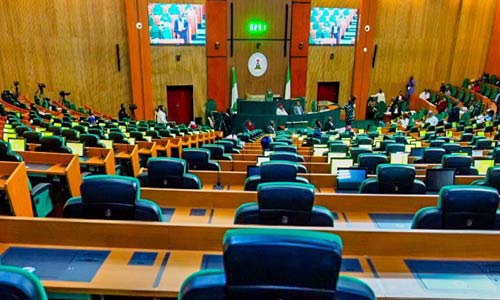
House of Reps: NBET NDPHC ₦632bn Debt Repayment Deadline Issued
Summary
- The House of Representatives Committee on Public Accounts has given NBET three weeks to submit a repayment plan for a ₦632 billion debt.
- This substantial debt is owed by the Nigerian Bulk Electricity Trading Company (NBET) to the Niger Delta Power Holding Company (NDPHC).
- The directive was issued during an investigative hearing chaired by Honourable Bamidele Salam.
- The NDPHC's managing director has previously lamented the inherent flaws within the electricity market due to such outstanding debts.
- This parliamentary intervention underscores ongoing financial instability and direct regulatory involvement in Nigeria's power sector.
Parliamentary Directive on Power Sector Debt
This development signals continued financial instability and direct regulatory intervention in the Nigerian power sector.
The Nigerian Bulk Electricity Trading Company (NBET) has been issued a stringent three-week deadline by the House of Representatives Committee on Public Accounts. This directive mandates NBET to present a comprehensive repayment framework for a substantial debt of ₦632 billion owed to the Niger Delta Power Holding Company (NDPHC).
The parliamentary committee, under the chairmanship of Honourable Bamidele Salam, conveyed this instruction during an ongoing investigative hearing. The hearing's primary objective is to scrutinize outstanding financial obligations within the nation's power sector, highlighting a critical issue of financial instability that continues to plague the industry. This specific NBET NDPHC ₦632bn debt repayment deadline underscores the legislative body's direct intervention in resolving significant financial disputes between key players in the electricity market.
Legal and Regulatory Framework
The involvement of the House of Representatives Committee on Public Accounts in a commercial debt dispute between two government-owned entities, NBET and NDPHC, signals a broader concern over governance and financial accountability within Nigeria's electricity market. NBET, as the nation's bulk electricity trader, is responsible for purchasing power from generation companies like NDPHC and reselling it to distribution companies. The accumulation of such a significant Nigerian Bulk Electricity Trading Company debt points to systemic challenges in the sector's financial liquidity and payment assurance mechanisms.
The Niger Delta Power Holding Company debt, amounting to hundreds of billions of naira, reflects the financial strain faced by power generators when payments from the bulk trader are delayed or outstanding. The committee's mandate to investigate public accounts empowers it to intervene when public funds or assets are at risk, or when the financial health of critical national infrastructure is compromised. This parliamentary oversight is a direct response to the perceived failures of existing regulatory and commercial frameworks to ensure timely payments and financial stability across the value chain, contributing to the overall electricity market financial instability Nigeria is currently experiencing.
Implications for the Power Sector
The urgent demand for a House of Reps NBET repayment plan for the ₦632 billion debt carries significant implications for the future of Nigeria's power sector. The managing director of NDPHC has previously voiced concerns regarding the persistent flaws within the electricity market, a sentiment undoubtedly exacerbated by the substantial outstanding payments. Such large-scale indebtedness not only cripples the operational capacity of generation companies but also deters potential investors who perceive high financial risks in an environment where even government-backed entities struggle with payment obligations.
This development signals continued financial instability and direct regulatory intervention in the Nigerian power sector. The parliamentary directive highlights the government's active role in debt recovery, setting a precedent for how similar financial disputes might be handled in the future. For lawyers advising clients involved in power generation, distribution, or investment, this situation necessitates a re-evaluation of risk assessments and contract negotiations, as the potential for legislative bodies to directly influence commercial agreements and enforce payment deadlines becomes a critical factor in the operating landscape. The resolution of this Nigeria power sector debt ₦632 billion issue is crucial for restoring confidence and fostering a more stable investment climate.
Practical Implications
This development signals continued financial instability and direct regulatory intervention in the Nigerian power sector. Lawyers advising clients involved in power generation, distribution, or investment should note the government's active role in debt recovery and the potential for similar directives affecting other market participants, impacting risk assessments and contract negotiations.
Source
How does this affect you?
Get an AI analysis of this article grounded in your jurisdictions, practice areas, and any policy documents you've uploaded to Wansom.
Finish Reading the Full Story and the Expert Analysis.
Get the latest legal & regulatory intelligence in Nigeria
Wansom is AI and can make mistakes.