
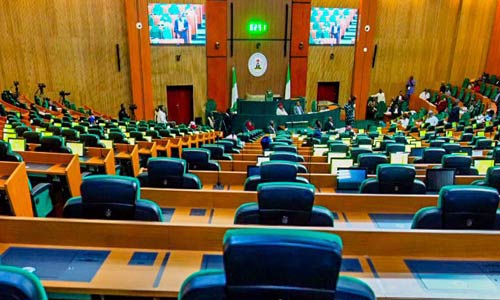
Nigerian Reps: Farmers Loan Waiver Debate Amid N1tn Diversion Claims
Summary
- The Nigerian House of Representatives is divided over a motion to cancel outstanding agricultural loans.
- The motion follows allegations that some beneficiaries diverted funds into real estate and other non-agricultural businesses.
- A specific allegation claims ₦1tn was diverted into real estate from government-backed agricultural intervention programs.
- Some lawmakers argue for the waiver due to farmers' struggles with insecurity, natural disasters, and economic hardship.
- Others oppose the waiver, citing the dangerous precedent of cancelling loans amidst widespread diversion claims.
Legislative Standoff
The scale of the alleged financial misconduct is substantial, with specific claims pointing to the diversion of an estimated ₦1tn into real estate.
The Nigerian House of Representatives is currently grappling with a contentious proposal concerning the cancellation of outstanding agricultural loans. This motion, which seeks a comprehensive Nigerian Reps farmers loan waiver, has ignited a sharp division among lawmakers, highlighting deep-seated concerns about the integrity of government-backed financial initiatives. The debate centers on allegations of widespread misuse of funds initially intended to bolster the nation's agricultural sector.
At the heart of the controversy are claims that a significant portion of these agricultural intervention program funds, disbursed to Nigerian farmers, were improperly diverted. Instead of being invested in farming activities, these monies reportedly found their way into unrelated ventures, including real estate development and other commercial enterprises. This alleged farmers loan diversion Nigeria has cast a shadow over the efficacy and accountability of the country's agricultural support schemes.
Allegations of Massive Diversion
The scale of the alleged financial misconduct is substantial, with specific claims pointing to the diversion of an estimated ₦1tn into real estate. This N1tn real estate diversion allegation underscores the gravity of the situation, suggesting a systemic failure in the oversight and implementation of critical government programs designed to support food security and rural development. The funds were originally provided under various government-backed agricultural intervention programmes, aiming to empower farmers and boost agricultural output.
Such allegations of agricultural intervention program fraud raise serious questions about the mechanisms in place to ensure that financial aid reaches its intended beneficiaries and serves its stated purpose. The reported misdirection of such a massive sum into non-agricultural sectors not only undermines the objectives of these programs but also erodes public trust in government initiatives. The call for an agricultural loans cancellation Nigeria, therefore, becomes highly complex when juxtaposed with these serious claims of financial impropriety.
The Debate in Parliament
Within the Nigerian House of Representatives, the discussion surrounding the proposed loan cancellation is multifaceted. While some legislators advocate for the Nigerian Reps farmers loan waiver, citing the severe challenges faced by farmers, others express profound reservations due to the diversion claims. Proponents of the waiver emphasize the immense difficulties confronting the agricultural community, including persistent insecurity, devastating natural disasters, and a challenging economic climate that has hampered their ability to repay loans.
However, the counter-argument strongly highlights the alleged farmers loan diversion Nigeria, asserting that cancelling loans under such circumstances would set a dangerous precedent. Lawmakers opposing the blanket cancellation argue that it would effectively reward those who engaged in agricultural intervention program fraud, while potentially penalizing diligent farmers who genuinely utilized their funds. This legislative clash underscores the tension between providing relief to struggling farmers and ensuring accountability for public funds.
Why It Matters
The ongoing dispute within the House of Representatives carries significant implications for the future of agricultural support in Nigeria. The N1tn real estate diversion allegation, if substantiated, could lead to increased scrutiny of all government intervention programs and potentially trigger investigations into past disbursements. This situation demands a careful balance: addressing the genuine hardships faced by farmers while simultaneously tackling the pervasive issue of agricultural intervention program fraud.
The outcome of this debate on the agricultural loans cancellation Nigeria will likely influence how future government-backed schemes are designed, monitored, and enforced. It emphasizes the critical need for robust oversight mechanisms to prevent the recurrence of farmers loan diversion Nigeria and ensure that public funds are utilized transparently and effectively for their intended purposes. The resolution of this matter will be a key indicator of the government's commitment to both farmer welfare and financial accountability.
Practical Implications
Lawyers advising clients on government agricultural intervention programs should note the increased scrutiny and potential for investigations into fund diversion, advising on strict compliance with program terms to mitigate legal and financial risks. Compliance officers should review internal controls for such programs to prevent similar allegations.
Source
How does this affect you?
Get an AI analysis of this article grounded in your jurisdictions, practice areas, and any policy documents you've uploaded to Wansom.
Finish Reading the Full Story and the Expert Analysis.
Get the latest legal & regulatory intelligence in Nigeria
Wansom is AI and can make mistakes.