
Drame De Lompoul: le REMIDEV Demande une Enquête Impartiale
Summary
- A shipwreck off Lompoul on November 6 resulted in at least 44 deaths, with estimates suggesting the toll could exceed 100.
- The Réseau Migration et Développement (REMIDEV) demands an impartial investigation into the incident, particularly concerning the National Navy's intervention.
- The sole survivor reported the captain attempted to reach shore after spotting a patrol, leading passengers to jump into the water before the boat capsized.
- REMIDEV attributes clandestine departures to the country's economic, social, and political challenges, including unemployment and a lack of youth integration policies.
- The network also criticizes the national migration policy for being security-focused, influenced by foreign partners, and allegedly violating human rights.
The Lompoul Tragedy and Calls for Inquiry
Their primary demand is to establish accountability regarding the intervention of the defense and security forces at sea.
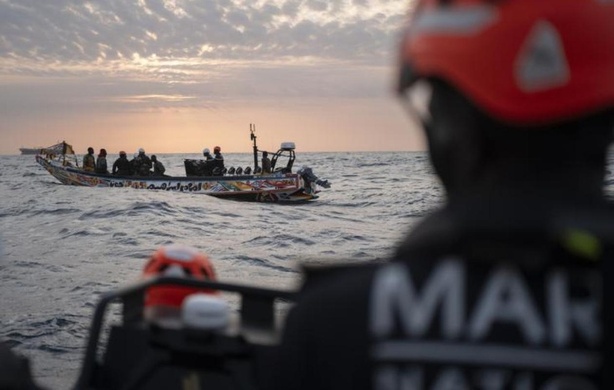
On November 6, a tragic shipwreck occurred off the coast of Lompoul, resulting in the loss of at least 44 lives, according to figures released by the Réseau Migration et Développement (REMIDEV). The network, in a communiqué dated November 24, 2026, has indicated that the actual death toll from this incident could potentially exceed one hundred individuals. This devastating event involved an estimated 150 people aboard a vessel attempting to reach Spain.
The sole survivor's testimony, as relayed by REMIDEV, paints a grim picture of the moments leading up to the disaster. The captain of the overloaded boat reportedly made an attempt to quickly reach the shore after a National Navy patrol was sighted. Approximately twenty meters from the coastline, several passengers reportedly entered the water, intending to swim to safety. This action, combined with a strong swell and existing damage to the vessel, is believed to have precipitated the capsizing and subsequent drownings.
In response to these harrowing details, REMIDEV, along with its member organizations, has issued a strong call for an impartial investigation into the circumstances surrounding the tragedy. Their primary demand is to establish accountability regarding the intervention of the defense and security forces at sea. As of the communiqué's release, Senegalese authorities have not yet published any official inquiry report concerning the incident.
Underlying Causes and Policy Critiques
Beyond the immediate events of the shipwreck, REMIDEV's communiqué delves into the broader factors driving clandestine migration. The network firmly links these perilous journeys to the prevailing economic, social, and political conditions within the country. Specific concerns highlighted include high unemployment rates, a noticeable decline in both investment and funding, and significant challenges facing the fishing sector. Furthermore, REMIDEV points to a perceived absence of effective policies aimed at fostering youth employment and integration.
The organizations signing the communiqué also voice sharp criticism regarding the current national migration policy. They contend that this policy is unduly influenced by the security interests of foreign partners, rather than prioritizing the welfare of its own citizens. This approach, they argue, frequently leads to violations of fundamental human rights. Media outlet Exclusif has also reported that these organizations are actively denouncing the repressive tactics employed against individuals attempting irregular departures.
Demands for Rights-Based Approach
In light of the Lompoul disaster and the systemic issues it underscores, REMIDEV is advocating for a comprehensive shift in migration governance. Alongside their demand for an impartial investigation into the naval intervention, the network is calling for the implementation of a migration policy that is explicitly respectful of fundamental human rights. This includes specific proposals such as the easing of visa procedures, which are often a barrier to legal migration pathways.
Furthermore, REMIDEV emphasizes the critical need for a permanent framework for dialogue between civil society organizations and governmental authorities. This proposed structure aims to ensure that migration policies are developed and implemented with input from those directly affected and those working on the ground. The communiqué, which outlines these demands, bears the signatures of several prominent organizations, including RADDHO, CNTS, Enda Diapol, and the Senegalese Social Forum, underscoring a unified front in advocating for change.
Source
How does this affect you?
Get an AI analysis of this article grounded in your jurisdictions, practice areas, and any policy documents you've uploaded to Wansom.
Finish Reading the Full Story and the Expert Analysis.
Get the latest legal & regulatory intelligence in Senegal
Wansom is AI and can make mistakes.