
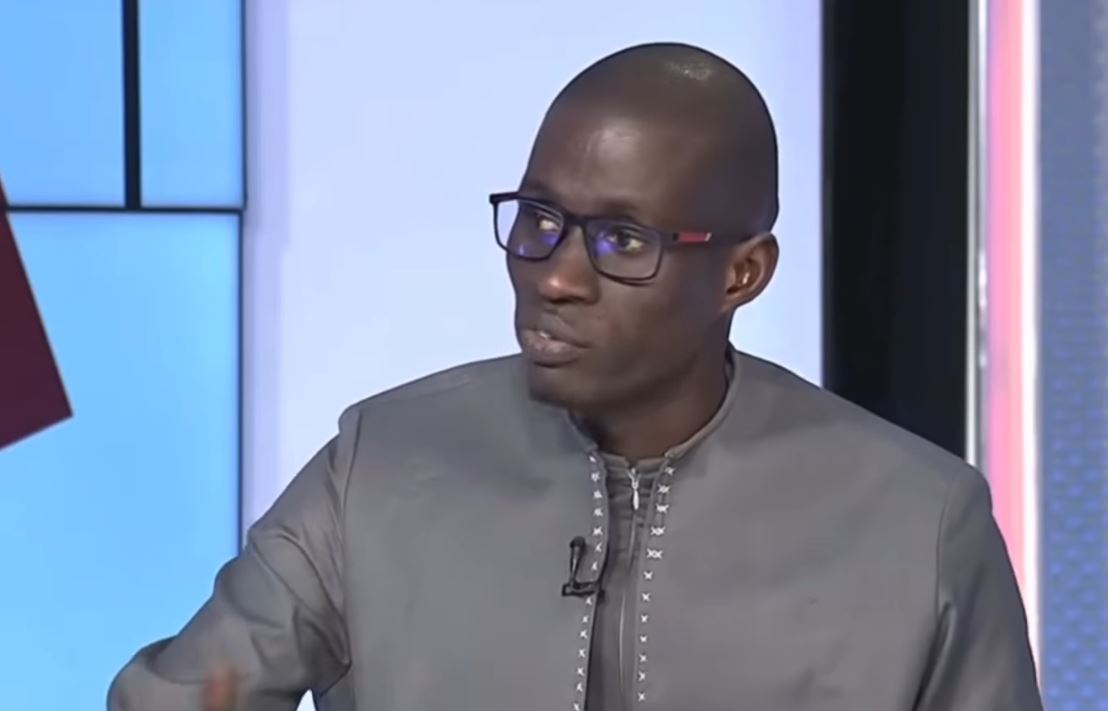
Sénégal MEFPT: Rejet Budget LFI 2027 Raises Youth Program Concerns
Summary
- The budget for Senegal's Ministry of Employment, Vocational Training and Technical (MEFPT) was recently rejected as part of the Loi de Finances Initiale (LFI) 2027 process.
- Khadim Bamba Fall expressed concerns that this rejection signifies the state is "sacrificing" youth vocational training, integration, and employment initiatives.
- The source article suggests that such concerns may arise from an insufficient review of the LFI 2027 document.
- The source plans to offer a detailed, three-part analysis of the budget, starting with a discussion of a specific decrease.
What Happened
The differing interpretations surrounding the MEFPT budget rejection for LFI 2027 underscore a crucial debate about the government's commitment to youth employment and vocational training in Senegal.
The budget proposal for Senegal's Ministry of Employment, Vocational Training and Technical (MEFPT) recently faced rejection, a development tied to the ongoing review of the Loi de Finances Initiale (LFI) 2027. This decision has sparked considerable discussion regarding its potential ramifications for national initiatives aimed at youth development. The rejection of a ministerial budget within the framework of the initial finance law is a significant procedural event, indicating a lack of consensus or perceived deficiencies in the proposed allocations or strategic direction.
This budgetary setback for the MEFPT has prompted immediate reactions from various stakeholders. Notably, Khadim Bamba Fall articulated a strong concern, suggesting that the state's actions effectively "sacrifice" critical programs related to vocational training, the integration of young people into the workforce, and broader youth employment efforts. Such a pronouncement underscores the gravity with which some observers view the implications of the budget's non-approval, particularly given the persistent challenges surrounding youth unemployment and skill development in the region. The focus on the MEFPT's budget highlights its central role in addressing these societal priorities.
Legal and Fiscal Context
The rejection of the MEFPT budget is situated within the broader legislative process for the Loi de Finances Initiale (LFI) 2027, Senegal's foundational financial blueprint for the upcoming fiscal year. The LFI outlines the government's projected revenues and expenditures, setting the fiscal parameters for all ministries and public programs. A budget's rejection during this critical phase signals that the proposed financial plan for a specific ministry did not meet the necessary criteria or secure sufficient legislative backing for immediate approval. This process is fundamental to ensuring fiscal responsibility and alignment with national development objectives for the finances publiques Sénégal 2027.
However, the source commentary suggests that the alarm raised over the budget's rejection, particularly the assertion that it jeopardizes youth-focused projects, might stem from an incomplete understanding of the LFI 2027 itself. This perspective implies that a more thorough examination of the initial finance law's provisions could offer a different interpretation of the situation, potentially mitigating the concerns expressed by figures like Khadim Bamba Fall. The intricacies of national budgetary documents often require detailed scrutiny to fully grasp their implications for various sectors and initiatives, and a superficial reading might lead to premature conclusions about funding allocations and programmatic continuity for the budget ministère Emploi Sénégal.
Why It Matters
The differing interpretations surrounding the MEFPT budget rejection for LFI 2027 underscore a crucial debate about the government's commitment to youth employment and vocational training in Senegal. On one hand, the concerns voiced by individuals such as Khadim Bamba Fall highlight the perceived vulnerability of vital youth programs when ministerial budgets face legislative hurdles. This perspective emphasizes the immediate and potentially detrimental impact on a demographic segment that is often a priority for national development strategies, particularly in a context where youth unemployment remains a significant socio-economic challenge for formation professionnelle jeunes Sénégal.
Conversely, the counter-argument presented by the source, suggesting that critics may not have fully reviewed the LFI 2027, indicates that the situation might be more nuanced than initially portrayed. This viewpoint implies that the finance law, despite the MEFPT budget's initial rejection, could contain alternative provisions or mechanisms that still support youth initiatives, or that the rejection itself is part of a process leading to a revised, potentially more effective, allocation. The source further indicates an intention to provide a detailed analysis of the budget, structured in three parts, beginning with an examination of a "decrease" within its provisions. This forthcoming analysis is expected to shed more light on the actual fiscal landscape for youth employment and training under the Loi de Finances Initiale 2027 Sénégal, potentially clarifying whether the concerns about "sacrificing" these programs are indeed justified or if a deeper understanding of the budget reveals a different reality.
Practical Implications
Lawyers advising clients on employment and vocational training initiatives in Senegal should monitor the final approval and allocation of the MEFPT budget for LFI 2027, as its initial rejection signals potential shifts in government priorities or funding availability for youth employment programs, which could impact compliance requirements or opportunities for private sector engagement.
Source
How does this affect you?
Get an AI analysis of this article grounded in your jurisdictions, practice areas, and any policy documents you've uploaded to Wansom.
Finish Reading the Full Story and the Expert Analysis.
Get the latest legal & regulatory intelligence in Senegal
Wansom is AI and can make mistakes.