
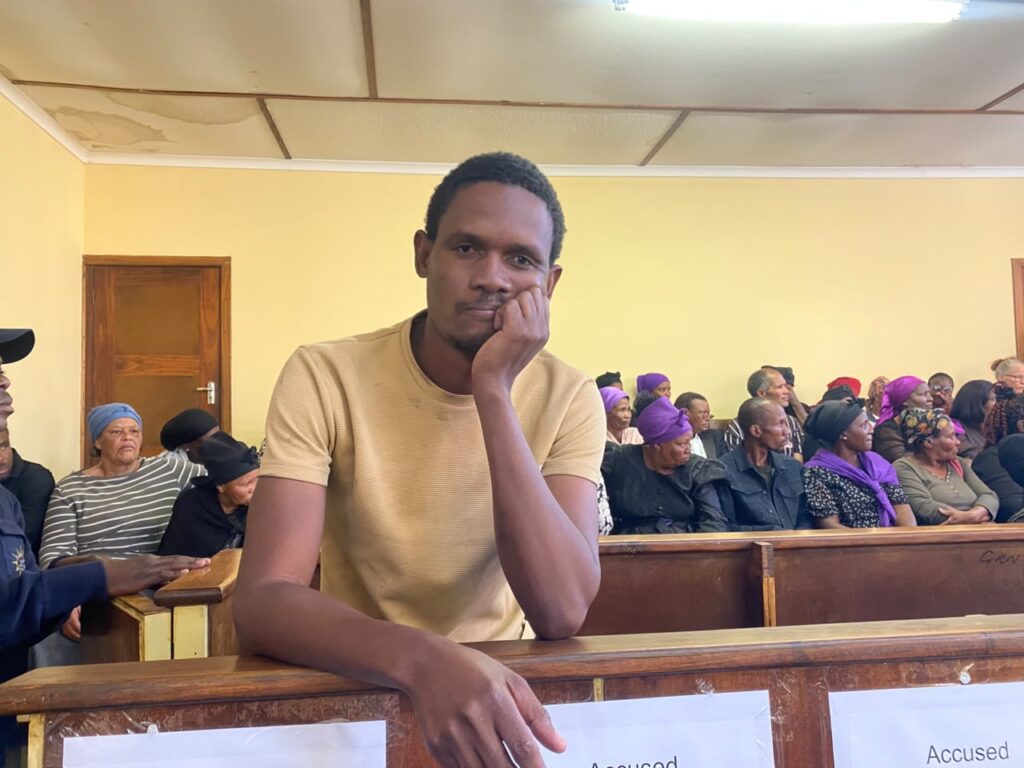
Rehoboth Magistrate’s Court: Murder Accused Remains in Custody
Dickson Karomuine, accused of murdering 11-year-old Gephardt Doëseb, was ordered to remain in custody following his first appearance in the Rehoboth Magistrate’s Court in Namibia on Thursday. This initial court appearance marks the formal commencement of criminal proceedings against Karomuine, who is facing a charge of murder after the victim, a Grade 5 pupil, was reported missing on September 11th and subsequently found deceased the following day. The decision to remand the accused in custody is a standard procedural step in serious criminal matters, particularly those involving capital offenses, ensuring the accused's presence for future court dates and preventing potential interference with investigations or flight risk.
This development holds significant legal implications for practitioners in Namibia, particularly those specializing in criminal defence and prosecution. The case highlights the critical role of the Magistrate’s Court in the initial stages of serious criminal proceedings, including the handling of first appearances and decisions regarding pre-trial detention. For the public, especially in the Rehoboth community, the ongoing custody of the accused provides a measure of reassurance that the justice system is actively addressing a grave crime involving a child victim. The gravity of the alleged offense, murder, places a high burden on both the prosecution to build a robust case and the defence to ensure due process and protect the accused's rights from the outset.
The legal context for this matter is primarily governed by Namibia's Criminal Procedure Act 51 of 1977, which outlines the procedures for arrest, detention, bail applications, and trial processes. While the Magistrate’s Court handles initial appearances and preliminary inquiries, serious offenses like murder are ultimately tried in the High Court. The decision to keep Karomuine in custody suggests that the prosecution likely opposed bail, citing factors such as the seriousness of the charge, potential flight risk, or the public interest, as per Section 60 of the Criminal Procedure Act. The key parties involved are the accused, Dickson Karomuine; the deceased, Gephardt Doëseb; the State, represented by a public prosecutor; and the Rehoboth Magistrate’s Court, which is presiding over these preliminary proceedings.
Practitioners should closely monitor the progression of this case, particularly any future bail applications and the eventual committal of the matter to the High Court. Defence attorneys must meticulously prepare for bail hearings, understanding the stringent requirements for bail in murder cases, and begin strategizing for the eventual High Court trial. Prosecutors, on the other hand, will be focused on gathering evidence, ensuring a thorough investigation, and preparing for a strong case against the accused. The public and media attention surrounding cases involving child victims often adds an additional layer of scrutiny, which legal professionals must navigate while upholding the principles of justice and due process. The outcome of this matter is not yet reported beyond the initial custody decision.
How does this affect you?
Get an AI analysis of this article grounded in your jurisdictions, practice areas, and any policy documents you've uploaded to Wansom.
Finish Reading the Full Story and the Expert Analysis.
Get the latest legal & regulatory intelligence in Namibia
Wansom is AI and can make mistakes.