
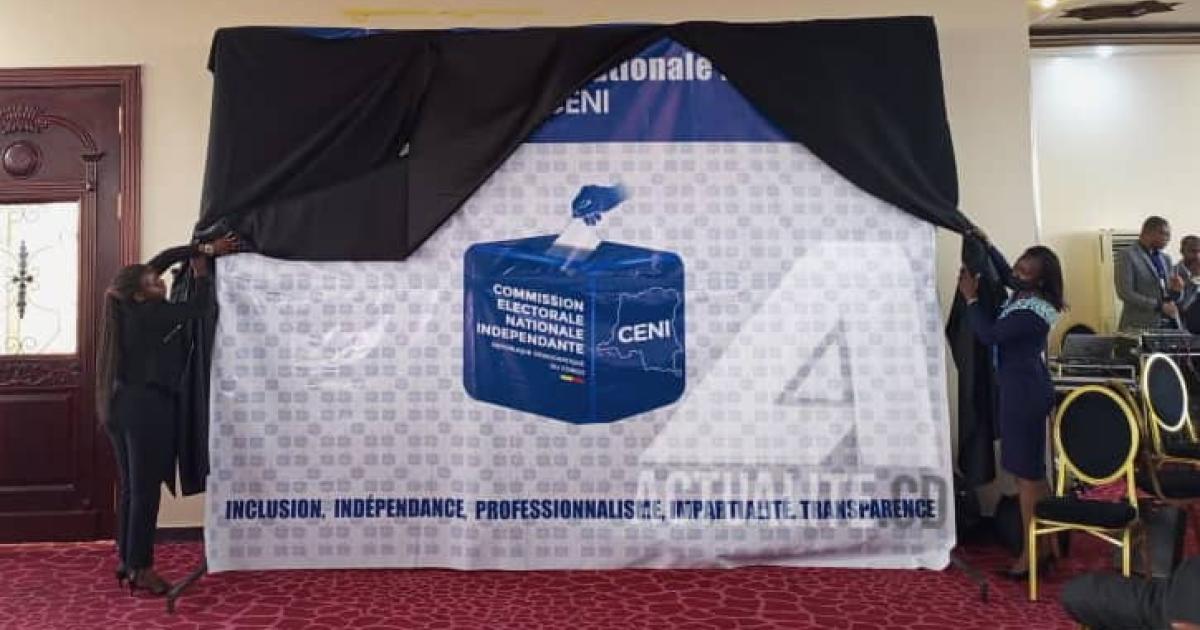
Assemblée Nationale RDC: Débat RDC Réforme CENI Loi Électorale
Summary
- The National Assembly in the Democratic Republic of Congo is currently examining two legislative proposals.
- These proposals aim to reform the Independent National Electoral Commission (CENI) and the country's electoral law.
- This legislative activity occurs weeks before the conclusion of the ordinary September 2026 session.
- The institutions of the Republic are actively prioritizing the nation's electoral agenda through these discussions.
- The proposed changes are expected to significantly impact future electoral cycles in the RDC.
Legislative Focus on Electoral Reform
Lawyers advising political parties, candidates, or organizations involved in elections in the DRC must closely monitor the progress of these proposed legislative reforms to understand potential changes to electoral rules, procedures, and compliance obligations for future electoral cycles.
The legislative body of the République Démocratique du Congo, the Assemblée nationale, has recently brought the nation's electoral agenda to the forefront of its discussions. This renewed focus comes as the ordinary September 2026 session approaches its conclusion, signaling a critical period for electoral governance in the country. The institutions of the Republic are now actively engaging with the framework that will govern future elections.
Central to these deliberations are two distinct legislative proposals currently under examination. These proposals specifically target a comprehensive RDC réforme CENI loi électorale. One bill seeks to introduce significant changes to the Independent National Electoral Commission (CENI), the body responsible for organizing and overseeing elections. The other aims to revise the existing electoral law, which dictates the rules and procedures for all electoral processes within the nation.
The examination of these proposed reforms underscores a concerted effort to address the foundational elements of the electoral system in the République Démocratique du Congo. The timing, just weeks before the legislative session ends, indicates a push to advance these critical changes. This legislative activity in the Assemblée nationale RDC élections is poised to reshape the operational landscape for upcoming polls.
The Scope and Impact of Proposed Changes
The proposed CENI réforme RDC is expected to address various aspects of the commission's structure, mandate, and operational independence. Such reforms are often designed to enhance the credibility and efficiency of electoral management bodies, which is a recurring theme in democratic transitions and consolidations. The specifics of these proposed changes will be crucial in determining their potential impact on the fairness and transparency of future elections.
Concurrently, the revisions to the République Démocratique du Congo loi électorale could introduce new provisions concerning voter registration, candidate eligibility, campaign finance, dispute resolution mechanisms, and the allocation of seats. Any alteration to the electoral law has far-reaching consequences, directly affecting political parties, candidates, and the electorate. These legislative adjustments are not merely procedural; they can fundamentally alter the political playing field.
The institutions of the Republic, by prioritizing these legislative initiatives, are signaling their commitment to refining the electoral framework. This engagement with the electoral agenda reflects a broader recognition of the importance of robust and well-defined electoral rules for the stability and democratic development of the nation. The outcome of these examinations will set the stage for how elections are conducted in the coming years.
Implications for Future Electoral Cycles
The ongoing legislative work in the Assemblée nationale has significant implications for the agenda électoral RDC 2026 and beyond. The potential for substantial changes to both the electoral commission and the overarching electoral law means that all stakeholders, from political parties to civil society organizations, must closely monitor these developments. The final versions of these laws will dictate the operational environment for the next round of elections.
For legal professionals advising political entities, candidates, or organizations involved in the electoral process, understanding the nuances of these proposed legislative reforms is paramount. These changes could introduce new compliance obligations, alter strategic approaches to campaigning, and redefine the legal parameters within which electoral activities are conducted. A thorough grasp of the revised electoral law and the reformed CENI's mandate will be essential for effective counsel.
Lawyers advising political parties, candidates, or organizations involved in elections in the DRC must closely monitor the progress of these proposed legislative reforms to understand potential changes to electoral rules, procedures, and compliance obligations for future electoral cycles. The legislative process, culminating in the adoption of these new laws, will establish the foundational legal framework for the République Démocratique du Congo's democratic future.
Practical Implications
Lawyers advising political parties, candidates, or organizations involved in elections in the DRC must closely monitor the progress of these proposed legislative reforms to understand potential changes to electoral rules, procedures, and compliance obligations for future electoral cycles.
Source
How does this affect you?
Get an AI analysis of this article grounded in your jurisdictions, practice areas, and any policy documents you've uploaded to Wansom.
Finish Reading the Full Story and the Expert Analysis.
Get the latest legal & regulatory intelligence in DR Congo
Wansom is AI and can make mistakes.