
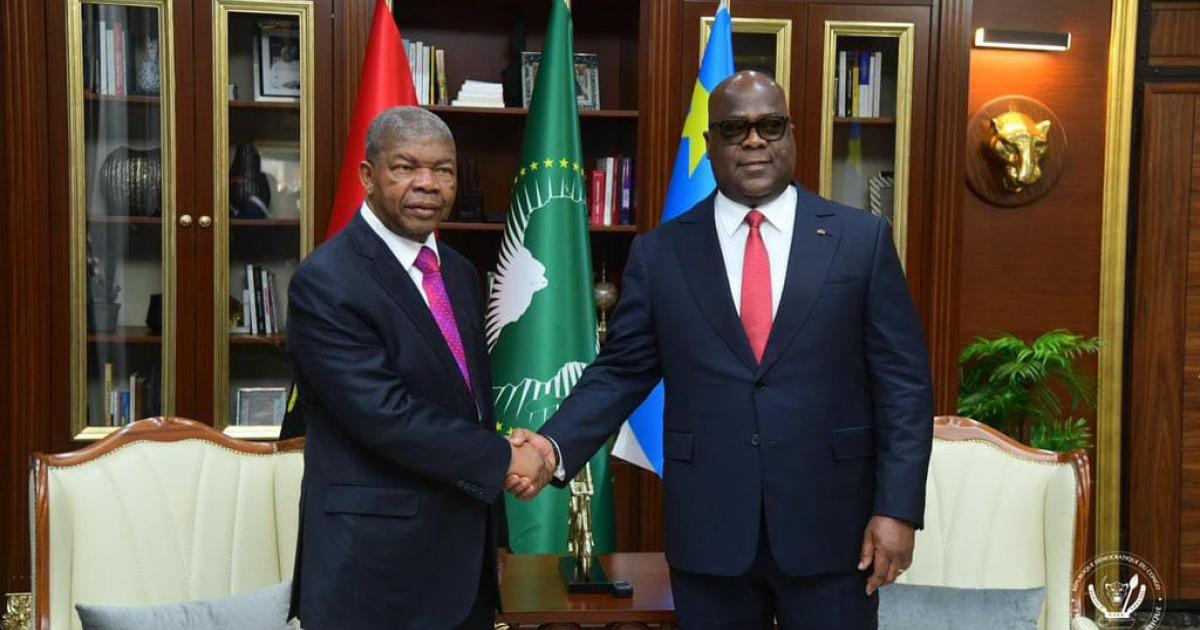
DRC: RDC Mota-Engil SNCC Contract Clarification Denies Privatization
Summary
- President Félix Tshisekedi clarified that the RDC government's contract with Mota-Engil Engenharia E Construçao Africa S.A. does not privatize SNCC.
- The President also affirmed that the agreement will not create a railway monopoly in the Democratic Republic of Congo.
- This statement was made on August 27, 2026, addressing the nature of the infrastructure partnership.
- The Société Nationale des Chemins de fer du Congo (SNCC) will maintain its state-owned status.
- The clarification is significant for understanding the regulatory environment and competition within the DRC's transport sector.
Presidential Clarification on Infrastructure Deal
President Félix Tshisekedi explicitly stated that this particular contract neither privatizes the Société Nationale des Chemins de fer du Congo (SNCC) nor establishes a railway monopoly within the country.
President Félix Tshisekedi of the Democratic Republic of Congo (DRC) has issued a significant clarification regarding the partnership between the RDC government and Mota-Engil Engenharia E Construçao Africa S.A. The President explicitly stated that this particular contract neither privatizes the Société Nationale des Chemins de fer du Congo (SNCC) nor establishes a railway monopoly within the country. This declaration, made on August 27, 2026, addresses key concerns surrounding the nature and scope of the infrastructure agreement.
The presidential statement provides crucial insight into the government's intentions for the `RDC Mota-Engil SNCC contract clarification`. It underscores that the state-owned railway company, SNCC, will retain its public status despite the collaboration with the Portuguese construction giant. Furthermore, the assurance against the creation of a railway monopoly suggests a commitment to fostering a competitive environment within the transport sector, rather than granting exclusive control to a single entity through this `Congo infrastructure partnership`.
Legal and Regulatory Context
The pronouncement from `Félix Tshisekedi` carries substantial weight for the legal and regulatory landscape governing infrastructure projects in the DRC. By denying the privatization of SNCC, the President indicates that the partnership with `Mota-Engil Engenharia E Construçao Africa` is structured as a collaboration that does not involve the sale of state assets or the transfer of ownership of the national railway company. This implies that the arrangement is likely a concession, a management contract, or a joint venture, where the state retains ultimate control and ownership of the railway infrastructure and operations.
This `DRC railway privatization denial` is particularly relevant for competition law. The explicit rejection of a railway monopoly suggests that the terms of the agreement are designed to allow for the participation of other entities in the railway sector, or that the scope of Mota-Engil's involvement is limited to specific projects or segments, preventing anti-competitive practices. Such a framework is vital for ensuring fair market access and preventing the dominance of a single player, which could otherwise stifle innovation and efficiency in the vital transport network of the Congo.
Implications for Investment and Market Dynamics
President Tshisekedi's clarification is pivotal for potential investors and existing stakeholders in the DRC's infrastructure sector. The assurance that the `SNCC` will not be privatized provides a clear signal regarding the government's long-term vision for its strategic assets, indicating a preference for partnerships that enhance operational capacity rather than divestiture. This clarity can help shape investment strategies for firms considering engagement in the Congolese market, particularly in transport and logistics.
Moreover, the explicit denial of a railway monopoly is a significant factor for market dynamics. It suggests that the government intends to maintain an open and competitive environment, which is generally favorable for attracting diverse investments and ensuring efficient service delivery. For lawyers advising on infrastructure investments or competition law in the DRC, this official framing of the `RDC-Mota-Engil` partnership as non-privatizing and non-monopolistic is crucial, as it directly impacts regulatory assessments and market entry strategies for clients in the transport sector. This statement from the highest office provides a foundational understanding of the government's policy direction for major infrastructure collaborations.
Practical Implications
This clarification from President Tshisekedi is crucial for lawyers advising on infrastructure investments or competition law in the DRC, as it officially frames the RDC-Mota-Engil partnership as non-privatizing and non-monopolistic, impacting regulatory assessments and market entry strategies for clients in the transport sector.
Source
How does this affect you?
Get an AI analysis of this article grounded in your jurisdictions, practice areas, and any policy documents you've uploaded to Wansom.
Finish this article free. Just your email for instant unlock.
Wansom is AI and can make mistakes.