
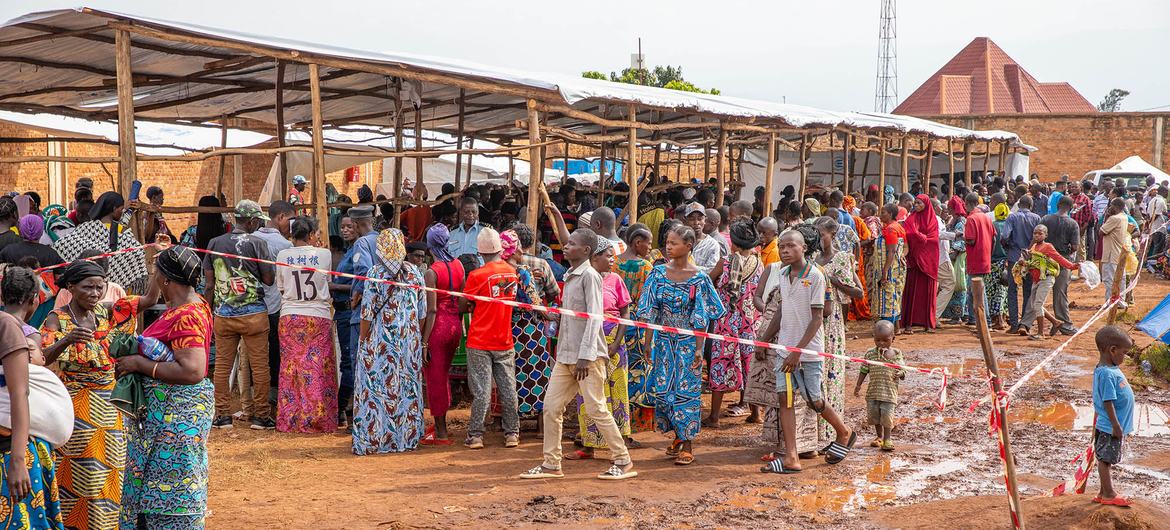
RDC HCR Tanzanie: Accord Sur Retour Réfugiés Congolais
Summary
- The 8th tripartite commission meeting between the RDC, HCR, and Tanzania concluded on August 27, 2026, in Lubumbashi.
- The commission agreed on the progressive, voluntary repatriation of Congolese refugees and asylum seekers from Tanzania to the RDC.
- Approximately 87,650 Congolese nationals residing in the Nyarugusu camp in Tanzania's Kigoma region are affected by this decision.
- The implementation of the repatriation plan is explicitly dependent on the availability of necessary resources.
Key Tripartite Meeting Concludes in Lubumbashi
The emphasis on 'voluntary' repatriation is a cornerstone of international refugee law, ensuring that individuals are not compelled to return against their will, particularly if they still fear persecution in their country of origin.
A significant gathering of the tripartite commission involving the Democratic Republic of Congo (RDC), the United Nations High Commissioner for Refugees (HCR), and Tanzania recently concluded its eighth edition in Lubumbashi. This crucial meeting, which wrapped up on Thursday, August 27, 2026, focused intently on facilitating the voluntary repatriation of Congolese nationals currently residing in Tanzania. The discussions centered on establishing a framework for the return of these individuals to their home country.
Voluntary Repatriation for Congolese Nationals
The agreement reached by the commission specifically addresses the approximately 87,650 Congolese refugees and asylum seekers who currently reside in the Nyarugusu camp, located in Tanzania's Kigoma region. The emphasis on 'voluntary' repatriation is a cornerstone of international refugee law, ensuring that individuals are not compelled to return against their will, particularly if they still fear persecution in their country of origin. This principle is paramount in safeguarding the rights and safety of those seeking refuge.
The collaborative efforts of the commission tripartite RDC Tanzanie HCR are essential for orchestrating a humane and orderly return. The development of a comprehensive plan for the return of refugees to the RDC is now a priority, with its execution directly linked to the securing of adequate funding and logistical support. This plan for the return of refugees to the RDC must account for the needs of the returning population, from transportation to initial reintegration assistance, highlighting the critical role of resource availability in its success.
Implications for Regional Stability and Humanitarian Aid
The decision to proceed with the voluntary repatriation of Congolese refugees from Tanzania carries significant implications for both the individuals involved and the broader regional context. For the nearly 88,000 Congolese nationals in Nyarugusu, this accord HCR RDC Tanzanie réfugiés offers a potential pathway to rebuilding their lives in their homeland, provided the process is managed with due care and respect for their rights. The progressive nature of the repatriation means that returns will be staggered, allowing for better management of the influx and integration challenges in the RDC.
This initiative represents a concerted effort by the RDC, HCR, and Tanzania to address a protracted refugee situation. The successful implementation of the plan for the return of refugees to the RDC will depend not only on the commitment of the signatory parties but also on continued international support to ensure that the necessary resources are indeed available. The focus on rapatriement volontaire réfugiés congolais is a testament to the international community's commitment to upholding refugee protection standards, even amidst complex geopolitical realities.
Practical Implications
Lawyers specializing in immigration, human rights, or international law should monitor the implementation of this tripartite agreement to ensure the voluntary nature of repatriations and adherence to international refugee protection standards. This signals specific legal and administrative processes that may require counsel for Congolese nationals in Tanzania or those returning to the DRC, particularly regarding their rights and reintegration procedures.
Source
Source: Original reporting via {source}
How does this affect you?
Get an AI analysis of this article grounded in your jurisdictions, practice areas, and any policy documents you've uploaded to Wansom.
Finish Reading the Full Expert Analysis.
Wansom is AI and can make mistakes.