
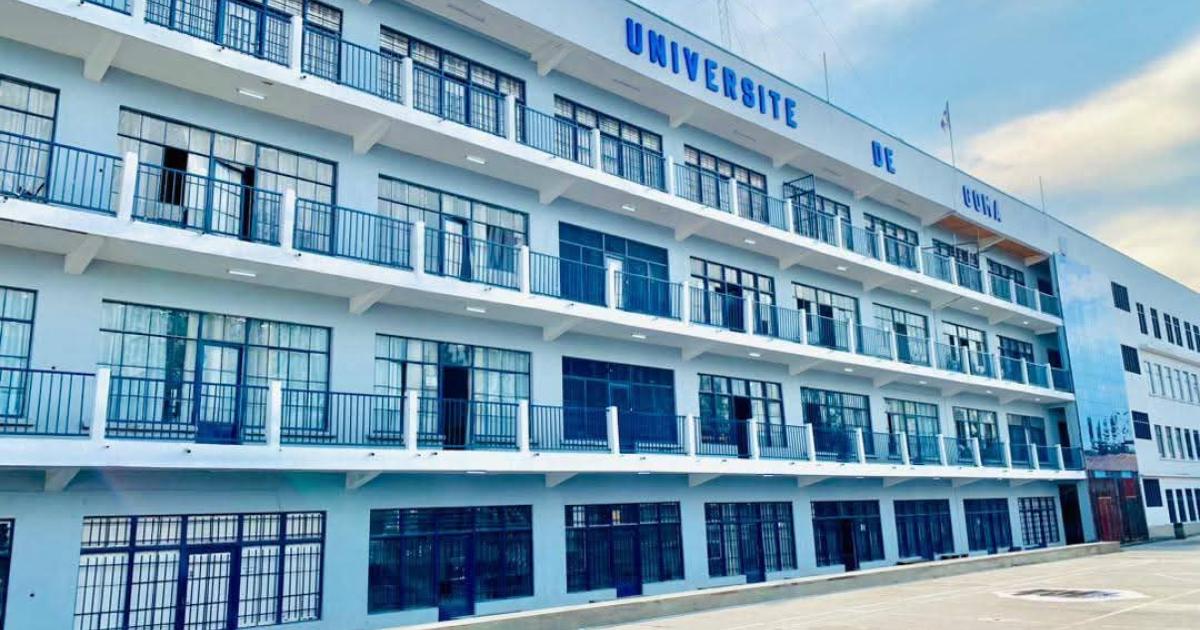
RDC ESU: 80 Institutions Interdites M23 for 2026-2027
Summary
- Eighty higher education and university institutions in AFC/M23-controlled areas of the Democratic Republic of Congo have been banned from operating.
- The prohibition applies specifically to the 2026-2027 academic year.
- This decision followed a "presumed" viability control process conducted in the affected zones.
- The ban highlights significant challenges for institutional legitimacy and student accreditation in conflict-affected regions.
- The directive underscores the operational risks and legal complexities for educational bodies under the influence of non-state actors.
Operational Ban on DRC Higher Education Institutions
Lawyers advising educational institutions or businesses operating in conflict zones of the DRC must be acutely aware of the operational risks and potential legal challenges arising from decrees issued by non-state actors like the AFC/M23.
Eighty institutions of higher education and universities operating within areas controlled by the AFC/M23 group in the Democratic Republic of Congo (DRC) have been prohibited from functioning. This significant directive, affecting the academic landscape in conflict-affected regions, was issued following what has been described as a "presumed" viability control process.
The ban specifically targets the 2026-2027 academic year, indicating a forward-looking enforcement of the decision. The directive, originating from the RDC-ESU (Enseignement Supérieur et Universitaire), underscores the complex challenges faced by educational bodies in territories under the influence of non-state armed groups.
This measure effectively halts the operations of a substantial number of educational providers, raising immediate concerns about student access to accredited learning and the future of academic staff in these volatile zones. The scope of the interdiction fonctionnement universités Congo highlights the profound impact of regional instability on essential public services like education.
Context of the Viability Control
The decision to ban these DRC universities stems from an assessment termed a "presumed" viability control. This phrasing suggests an evaluation process whose legitimacy or thoroughness might be subject to scrutiny, particularly given the context of its application within areas not under full government control.
Such a control mechanism typically assesses an institution's capacity to deliver quality education, including infrastructure, faculty qualifications, and curriculum standards. However, when conducted or enforced by non-state actors like the AFC/M23, the criteria and authority behind such assessments become inherently complex and legally ambiguous.
The involvement of the AFC/M23 in this process, leading to the Décision ESU M23 2026-2027, introduces a layer of governance challenges. It highlights the parallel administrative structures that can emerge in conflict zones, directly impacting the operational viability institutions universitaires RDC and their ability to operate under recognized national frameworks.
Legal and Operational Implications
The prohibition on these RDC ESU institutions interdites M23 carries significant legal and operational ramifications. For educational institutions, operating under a ban issued by a non-state entity creates profound uncertainty regarding their legal standing, the recognition of their degrees, and the accreditation of their programs.
Lawyers advising educational institutions or businesses operating in conflict zones of the DRC must be acutely aware of the operational risks and potential legal challenges arising from decrees issued by non-state actors like the AFC/M23. These challenges include questions of institutional legitimacy, the validity of student accreditation, and potential claims for damages or disruption caused by such directives.
This situation underscores the precarious environment for higher education in the Democratic Republic of Congo, where the authority of the state is contested. The ban on these DRC universities banned AFC/M23 controlled areas could lead to a generation of students whose academic qualifications are not recognized nationally or internationally, further exacerbating the humanitarian and developmental crisis in the region.
Broader Significance for Governance and Education
The directive against these 80 higher education institutions serves as a stark illustration of the difficulties in maintaining educational standards and governance in conflict-affected territories. The ability of a non-state armed group to enforce such a widespread ban on Enseignement Supérieur RDC M23 institutions demonstrates the erosion of central authority and the fragmentation of administrative control.
This development is critical for understanding the challenges of state-building and the provision of public services in regions plagued by armed conflict. It raises fundamental questions about the future of education in these areas and the mechanisms required to ensure continuity and quality under duress.
Ultimately, the situation highlights the urgent need for coordinated efforts to restore legitimate governance and ensure that educational institutions can operate freely and effectively, providing essential services without interference from armed groups. The long-term impact on human capital development in the DRC, particularly in these affected regions, could be severe if these institutions remain closed or unrecognized.
Practical Implications
Lawyers advising educational institutions or businesses operating in conflict zones of the DRC should be aware of the operational risks and potential legal challenges arising from decrees issued by non-state actors like the AFC/M23, particularly regarding institutional legitimacy, student accreditation, and potential claims for damages or disruption.
Source
Source: Original reporting via PMaki sam
How does this affect you?
Get an AI analysis of this article grounded in your jurisdictions, practice areas, and any policy documents you've uploaded to Wansom.
Finish Reading the Full Story and the Expert Analysis.
Get the latest legal & regulatory intelligence in DR Congo
Wansom is AI and can make mistakes.