
RDC Convoque Ambassadeur Ouganda: Soutien au FRN de Kabila Dénoncé
Summary
- The Democratic Republic of Congo summoned Uganda's ambassador on November 25, 2026.
- The summons was prompted by social media messages from the Ugandan army chief.
- These messages expressed support for the Front pour la Restauration Nationale (FRN) of former RDC President Kabila.
- RDC's Ministry of Foreign Affairs, led by Thérèse Kayikwamba, demanded explanations.
- This marks a repeated diplomatic summoning, indicating escalating tensions between the two nations.
Diplomatic Summons in Kinshasa
The public endorsement of a specific political faction within the RDC by a foreign military leader is considered a grave concern for national sovereignty and internal stability, potentially fueling unrest or legitimizing opposition movements.
The Democratic Republic of Congo (RDC) recently took decisive diplomatic action, summoning Uganda's top envoy in Kinshasa to address growing concerns over perceived interference in its internal affairs. This marks another instance where the RDC has formally called upon the Ugandan ambassador, signaling a pattern of strained bilateral relations that require urgent attention. The Ministry of Foreign Affairs of the RDC initiated the summons, with Thérèse Kayikwamba, a prominent figure within the ministry, leading the effort to seek immediate and comprehensive clarification from the Ugandan delegation. This diplomatic move underscores the seriousness with which Kinshasa views the recent developments.
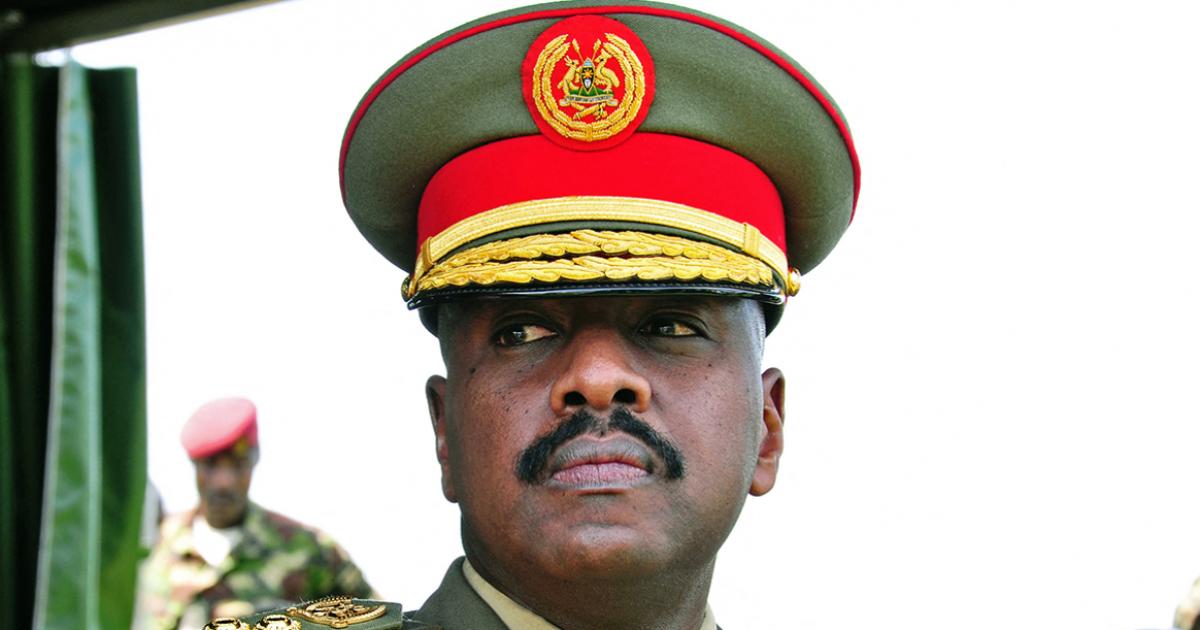
The primary catalyst for this diplomatic intervention was a series of public messages disseminated on the social media platform X. These posts, authored by the head of the Ugandan armed forces, contained content deemed highly problematic and provocative by the Congolese authorities. The RDC government views such public statements from a high-ranking military official of a neighboring nation as a significant breach of established diplomatic norms and an unwelcome intrusion into its sovereign political landscape. The summoning occurred on Wednesday, November 25, 2026, highlighting the urgency with which Kinshasa is treating the matter and its determination to protect its national interests.
Contentious Social Media Endorsements
At the heart of the current diplomatic friction are the specific messages posted by the Ugandan army chief on X. These digital communications explicitly conveyed support for the Front pour la Restauration Nationale (FRN), a political movement closely associated with former RDC President Joseph Kabila. The public endorsement of a specific political faction within the RDC by a foreign military leader is considered a grave concern for national sovereignty and internal stability, potentially fueling unrest or legitimizing opposition movements.
The RDC government, through its diplomatic channels, is demanding comprehensive explanations for these statements, seeking to understand the official position of Uganda regarding the "Front Restauration Nationale Kabila." The "chef armée ougandaise messages X" are seen as potentially undermining the RDC's political processes and could embolden internal opposition elements, thereby complicating efforts towards national cohesion. Such actions from a neighboring state's military leadership inevitably cast a shadow over the broader "relations RDC Ouganda diplomatie."
Broader Implications for Bilateral Relations
This latest incident significantly exacerbates existing "tensions diplomatiques RDC Ouganda," adding another layer of complexity to an already delicate relationship. The decision by the "RDC convoque ambassadeur Ouganda" for a repeat consultation highlights a deepening level of mistrust and disagreement between the two East African neighbors. Such actions are not isolated but rather indicative of underlying issues that continue to challenge the stability of their shared border and regional cooperation efforts, particularly in security matters.
The firm stance adopted by the RDC, spearheaded by officials like Thérèse Kayikwamba, underscores its unwavering commitment to upholding principles of non-interference and respect for national sovereignty. The ongoing diplomatic exchanges are crucial for managing these "tensions diplomatiques RDC Ouganda" and preventing further escalation into more serious disputes. The international community will likely monitor these developments closely, as stable "relations RDC Ouganda diplomatie" are vital for broader peace and security in the Great Lakes region, impacting trade, security, and humanitarian efforts. The explicit support for the "Front Restauration Nationale Kabila" by a foreign military chief adds a significant layer of political risk to these already sensitive interactions.
Practical Implications
Lawyers advising clients with operations or investments in the DRC or Uganda should monitor these escalating diplomatic tensions for potential impacts on cross-border trade, security, and regulatory stability, which could affect business continuity and compliance obligations. This situation signals increased political risk that may necessitate reassessment of client exposure.
Source
How does this affect you?
Get an AI analysis of this article grounded in your jurisdictions, practice areas, and any policy documents you've uploaded to Wansom.
Finish Reading the Full Story and the Expert Analysis.
Get the latest legal & regulatory intelligence in DR Congo
Wansom is AI and can make mistakes.