
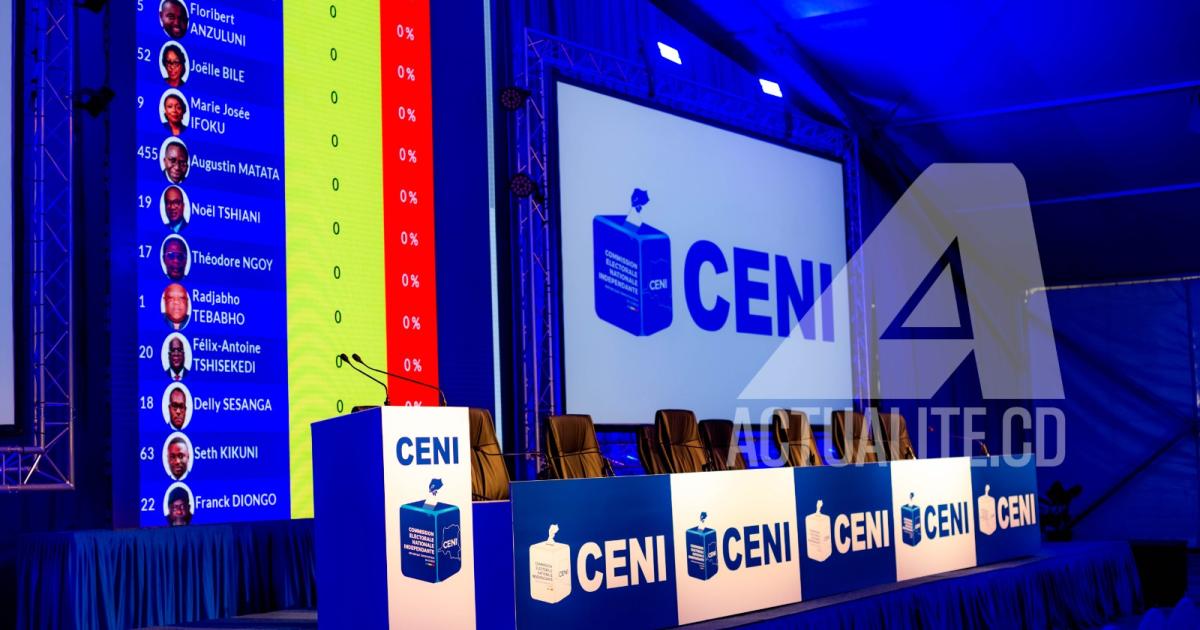
RDC Budget Élections 2027: 400 Billion FC Proposed
Summary
- The Democratic Republic of Congo's government has proposed allocating 400 billion Congolese francs for the 2027 elections.
- This electoral funding is included in the draft finance bill for the 2027 fiscal year.
- The National Assembly declared the draft bill receivable on October 30, 2026, and its Economic, Financial, and Budgetary Control Commission has been given 20 days for analysis.
- The proposed budget aims to secure early financing for the upcoming presidential and legislative polls.
- This budget allocation signals a financial commitment but does not, at this stage, create new legal obligations or compliance requirements.
Proposed Electoral Funding
However, for legal professionals and compliance officers, this announcement primarily serves as an indicator of governmental financial intent and commitment, rather than introducing any immediate actionable legal implications or new compliance requirements.
The government of the Democratic Republic of Congo has formally presented a substantial financial proposal dedicated to the organization of the 2027 general elections. This specific allocation, amounting to 400 billion Congolese francs, is explicitly earmarked to cover the multifaceted costs associated with the upcoming electoral cycle. The inclusion of such a significant sum within the national fiscal plan underscores the state's commitment to ensuring the necessary financial resources are available for the democratic process. This proactive measure aims to lay the groundwork for a well-resourced election.
This considerable financial commitment is not an isolated announcement but is integrated within the comprehensive framework of the 2027 draft finance bill. The very act of embedding this electoral funding into the national budget document highlights the government's strategic foresight and planning for this pivotal democratic event. The RDC budget élections 2027 is thus beginning to take definitive shape, with this initial proposal establishing a critical financial foundation for the electoral calendar and its associated logistical demands.
Legislative Scrutiny and Approval Process
The draft finance bill for the 2027 fiscal year, which notably contains the proposed 400 milliards francs congolais élections allocation, was declared receivable by the National Assembly on October 30, 2026. This legislative body holds the constitutional mandate to scrutinize, amend, and ultimately approve the national budget, thereby ensuring fiscal prudence and alignment with the nation's strategic priorities. The comprehensive process involves a detailed examination of all projected expenditures and anticipated revenue streams.
To facilitate this critical and thorough review, the National Assembly has formally mandated its specialized Economic, Financial, and Budgetary Control Commission with a specific timeframe. This Commission has been granted a period of 20 days to meticulously analyze the entirety of the projet loi finances RDC 2027, paying particular attention to significant provisions such as the funding designated for the elections. The diligent work of this Commission is indispensable for evaluating the financial viability and overall appropriateness of the proposed budget before it advances to a full plenary vote by the Assemblée nationale RDC budget. This stage is crucial for democratic oversight and accountability.
Broader Implications and Legal Context
The proposed financement élections Congo through the 2027 budget signifies a deliberate and forward-looking approach by the government in preparing for the next presidential and legislative polls. While this allocation represents a vital initial step in securing the financial means for the elections, it is crucial to understand that it remains a proposal embedded within a draft legislative instrument. Its ultimate approval and implementation are entirely contingent upon the successful navigation of the legislative process within the National Assembly.
This budgetary provision, once formally approved and enacted, will be instrumental in covering the myriad operational costs associated with organizing nationwide elections. These costs typically encompass everything from voter registration drives and logistical support for polling stations to ensuring adequate security measures and the efficient tabulation of results. The early planning reflected in the RDC budget élections 2027 aims to proactively address and mitigate potential funding challenges that could otherwise impede the smooth and credible conduct of the democratic process. However, for legal professionals and compliance officers, this announcement primarily serves as an indicator of governmental financial intent and commitment, rather than introducing any immediate actionable legal implications or new compliance requirements. The budget allocation itself does not, at this stage, create new legal obligations or regulatory frameworks that require immediate action from legal or compliance departments.
Practical Implications
While this budget allocation signals the government's financial commitment to the 2027 elections, there is no immediate actionable legal implication or new compliance requirement for lawyers or compliance officers based on this announcement alone.
Source
How does this affect you?
Get an AI analysis of this article grounded in your jurisdictions, practice areas, and any policy documents you've uploaded to Wansom.
Finish Reading the Full Story and the Expert Analysis.
Wansom is AI and can make mistakes.