
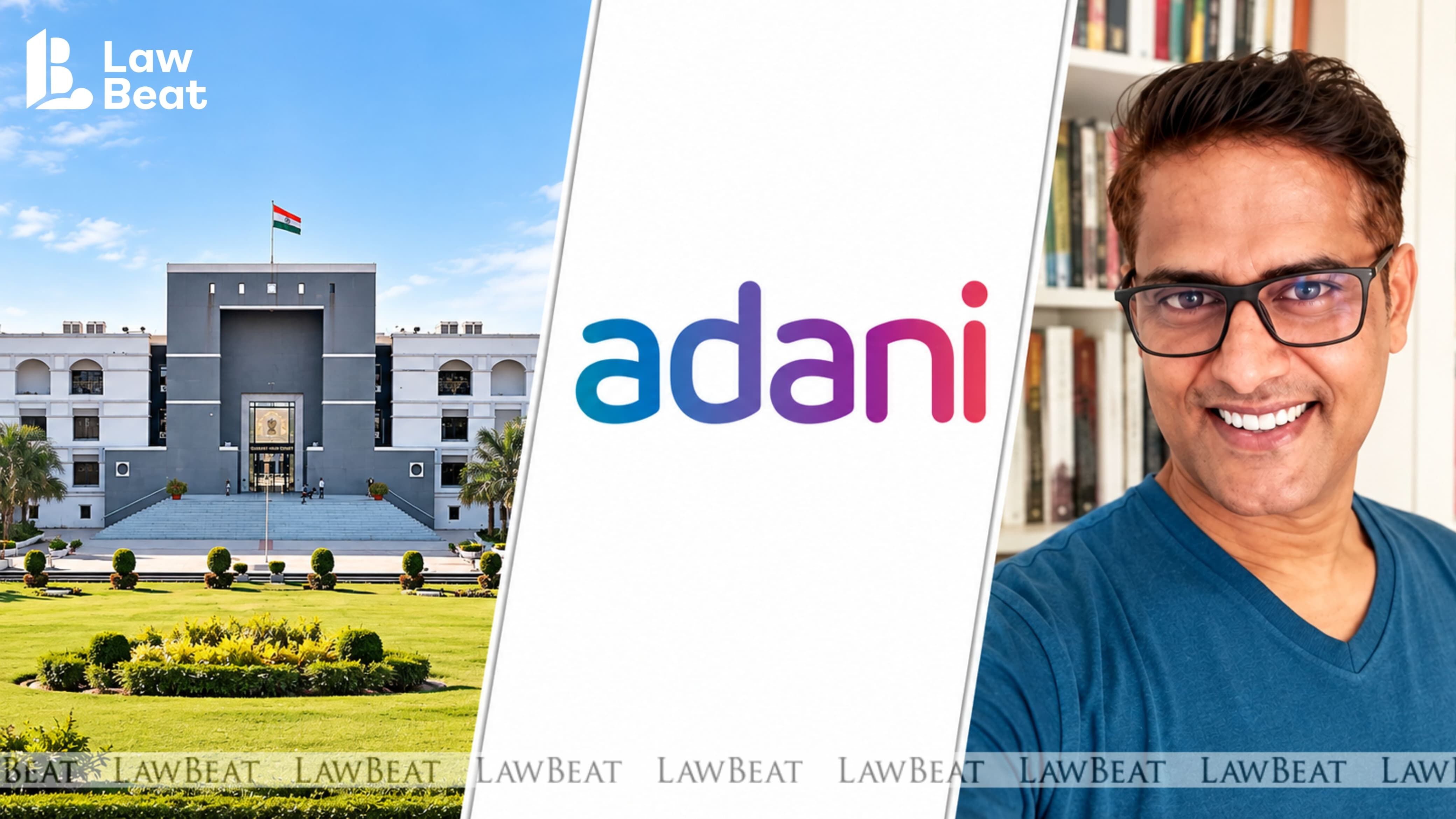
Gujarat HC: No Interim Relief for Ravi Nair Journalist Arrest
Summary
- The Gujarat High Court declined interim relief to journalist Ravi Nair, who was in judicial custody.
- Nair challenged a non-bailable warrant issued against him in a criminal defamation case filed by Adani Enterprises.
- Justice M K Thakker reserved the High Court's decision on the NBW for September 30.
- The warrant was issued after Nair failed to appear for an appeal hearing against his conviction in the defamation case.
- Adani Enterprises accused Nair of publishing false and defamatory posts on X, intending to damage the company's reputation.
- A Gandhinagar court granted bail to journalist Ravi Nair on September 24, 2026, leading to his release from judicial custody.
What Happened
This case could establish a significant criminal defamation Gujarat precedent regarding procedural requirements for personal appearances in appeals and the execution of warrants against journalists.
The Gujarat High Court recently declined to grant immediate interim relief to journalist Ravi Nair, who was in judicial custody following his arrest. Nair had approached the High Court to challenge a non-bailable warrant (NBW) that led to his detention in a criminal defamation case initiated by Adani Enterprises Limited. Justice M K Thakker presided over the proceedings and had reserved the court's final decision on the legality of the NBW until September 30.
Nair's legal counsel had specifically requested his release from custody while the High Court deliberated on the matter. However, the court noted that the arguments had already concluded and the case was set for dictation, thus deeming interim relief unnecessary. The journalist was taken into custody on September 17 after a Gandhinagar District and Sessions Court issued the NBW. This warrant stemmed from Nair's failure to appear personally during a hearing for his appeal against a prior conviction in the defamation case.
Genesis of the Defamation Dispute
The underlying legal battle originates from a series of posts published by Ravi Nair on the social media platform X between October 2020 and July 2021. These posts pertained to the Adani Group, specifically addressing allegations raised by the US-based short seller Hindenburg Research and a strike concerning the proposed privatization of the Jawaharlal Nehru Port Trust. Adani Enterprises subsequently filed a criminal defamation complaint, asserting that Nair intentionally published and disseminated false and defamatory statements to damage the company's reputation. The company maintained that these posts were not legitimate criticism or fair comment but rather an an attempt to undermine its credibility among investors and the public.
A magistrate court in Gandhinagar found Nair guilty on February 10, sentencing him to one year of imprisonment. The court emphasized that as a journalist and public commentator, Nair was expected to be mindful of the reach and impact of his statements on digital platforms, particularly when making categorical allegations that could harm reputations. Nair subsequently appealed this conviction to the Gandhinagar appellate court, which granted him bail on March 9, with a directive that he must remain present for all subsequent appeal hearings. It was his absence from a hearing on September 3 that prompted the appellate court to issue the non-bailable warrant, leading to the recent Ravi Nair journalist arrest Gujarat HC proceedings.
Procedural Battle and Future Outlook
During the recent High Court hearing, the bench observed that challenging an NBW after its execution presented a procedural hurdle. The court also noted that Nair had separately sought regular bail from the Sessions Court but had not disclosed this development to the High Court, a point that could influence the court's perspective on the journalist's non-bailable warrant challenge. Nair's counsel countered the Sessions Court's assertion that he had been absent for six months, arguing that he had appeared for three of the eight appeal hearings and had received an exemption from personal appearance on another occasion, thereby disputing the characterization of him as "absconding."
Counsel representing Adani Enterprises highlighted Nair's conduct before the appellate court as pertinent to the ongoing proceedings, further submitting that Nair's appearance in the Gandhinagar court in March was solely for the purpose of executing his bail bonds. While the Gujarat High Court's decision on the NBW was reserved, a Gandhinagar court granted bail to journalist Ravi Nair on September 24, 2026, paving the way for his release from judicial custody. This case could establish a significant criminal defamation Gujarat precedent regarding procedural requirements for personal appearances in appeals and the execution of warrants against journalists.
Practical Implications
Lawyers advising clients on defamation cases, particularly those involving journalists or corporate entities like Adani, should closely monitor the Gujarat High Court's final order on Ravi Nair's challenge to the non-bailable warrant. This case could set important procedural precedents regarding interim relief, personal appearance requirements in appeals, and the execution of NBWs in defamation proceedings, impacting litigation strategy and risk assessment for both plaintiffs and defendants.
Source
How does this affect you?
Get an AI analysis of this article grounded in your jurisdictions, practice areas, and any policy documents you've uploaded to Wansom.
Finish Reading the Full Story and the Expert Analysis.
Get the latest legal & regulatory intelligence in India
Wansom is AI and can make mistakes.