
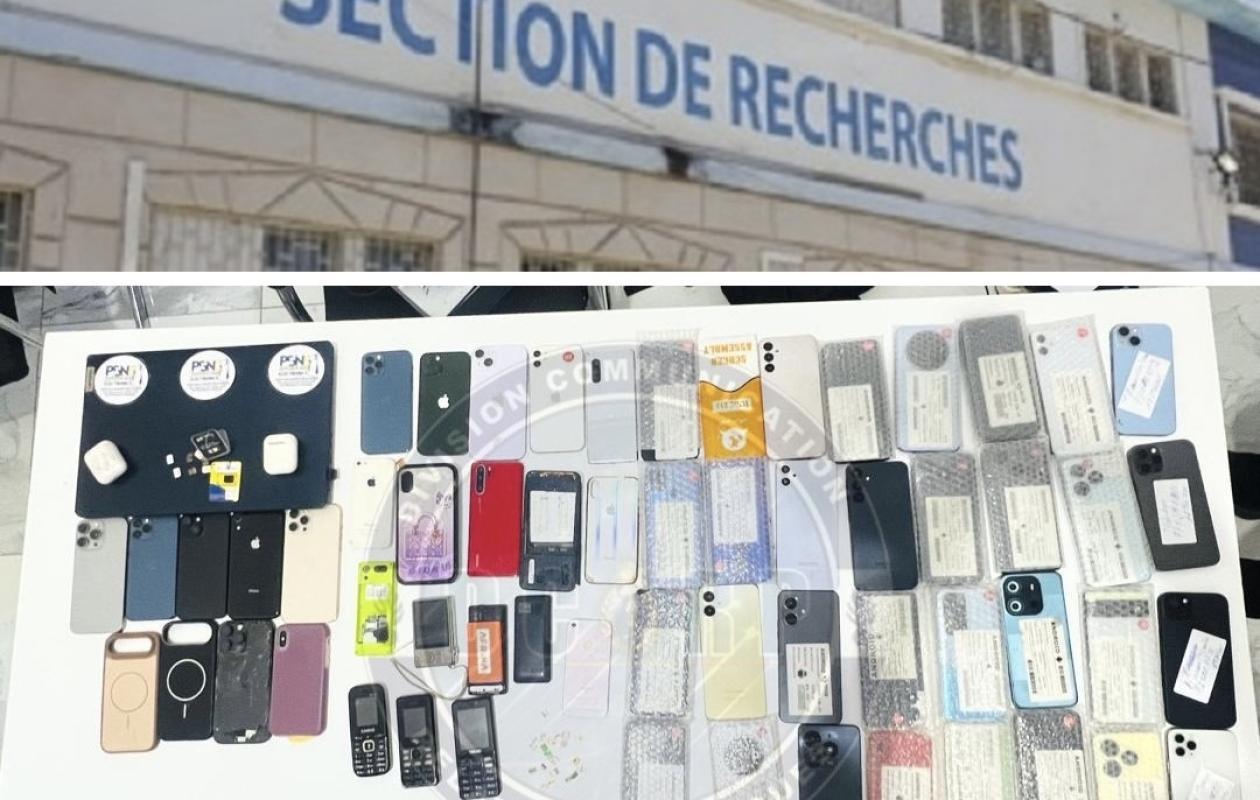
Rassoul: Arrêté au Sénégal pour Usurpation Identité Policiers et Fraude
Summary
- Mouhamadou Moustapha Biaye, known as "Rassoul," was arrested on November 26, 2026, by the Section de recherches (SR) de Dakar.
- He is accused of impersonating police and gendarmes to obtain confidential information from victims of phone theft.
- This arrest follows the dismantling of an alleged stolen iPhone trafficking network on November 14, 2026.
- The case highlights the growing sophistication of identity theft and fraud schemes in Senegal.
- Individuals are urged to verify the identity of anyone claiming to be law enforcement, especially when sensitive information is requested.
Key Arrest in Identity Theft Scheme
This incident serves as a critical reminder of the increasing sophistication of identity theft schemes, particularly those involving the impersonation of law enforcement personnel.
Authorities in Senegal have apprehended an individual known as Mouhamadou Moustapha Biaye, also identified by his alias "Rassoul," on suspicion of impersonating law enforcement officials. The arrest, carried out by the Section de recherches (SR) de Dakar, took place on November 26, 2026. Biaye is alleged to have posed as both police officers and gendarmes, with the specific intent of extracting sensitive personal details from victims who had previously reported their mobile phones stolen.
This significant development is directly linked to an earlier operation conducted on November 14, 2026, which saw the dismantling of a network suspected of involvement in the illicit trade of stolen iPhones. The ongoing investigation suggests that Biaye's alleged actions were part of a sophisticated scheme designed to exploit individuals already distressed by theft, leveraging the authority of law enforcement to gain their trust and access confidential information. The Section de recherches Dakar fraude unit continues its work on this complex case.
Exploiting Vulnerability Through Impersonation
The alleged modus operandi of "Rassoul" highlights a concerning trend in criminal activity, where perpetrators capitalize on the vulnerability of victims. By falsely claiming to be police or gendarmes, the suspect could have easily coerced or tricked individuals into divulging private data, under the guise of assisting with their phone theft cases. This form of usurpation d'identité gendarmes and policiers Sénégal represents a serious breach of public trust and poses a significant risk to personal security.
The broader context of this case points to an intricate web of fraud, potentially encompassing both identity theft and the trafficking of stolen goods. The alleged involvement in obtaining confidential information from victims of phone theft suggests a coordinated effort to either further exploit these individuals or to facilitate other criminal activities related to the stolen devices, such as the alleged trafic iPhones volés Sénégal. This type of fraude téléphonique Sénégal underscores the evolving challenges faced by law enforcement in combating digital and identity-based crimes.
Protecting Against Sophisticated Fraud
This incident serves as a critical reminder of the increasing sophistication of identity theft schemes, particularly those involving the impersonation of law enforcement personnel. For legal professionals, advising clients on the importance of verifying official communications is paramount. Individuals should be educated on how to confirm the identity of anyone claiming to be a police officer or gendarme, especially when sensitive information is requested over the phone or through unofficial channels.
The case of Mouhamadou Moustapha Biaye arrestation and the alleged Rassoul usurpation identité policiers Sénégal underscores the urgent need for heightened public awareness regarding such fraudulent tactics. Clients in Senegal, and indeed anywhere, must understand that legitimate law enforcement agencies typically follow established protocols for information gathering, which rarely involve unsolicited requests for confidential data from victims without proper identification or official procedures. Vigilance and skepticism are essential tools in preventing fraud and protecting personal and financial information from increasingly cunning criminals.
Practical Implications
Lawyers should advise clients on the increasing sophistication of identity theft schemes, particularly those involving impersonation of law enforcement, and the critical importance of verifying official communications to prevent fraud and protect confidential information. This case highlights a specific modus operandi that clients in Senegal should be aware of.
Source
How does this affect you?
Get an AI analysis of this article grounded in your jurisdictions, practice areas, and any policy documents you've uploaded to Wansom.
Finish Reading the Full Story and the Expert Analysis.
Get the latest legal & regulatory intelligence in Senegal
Wansom is AI and can make mistakes.