
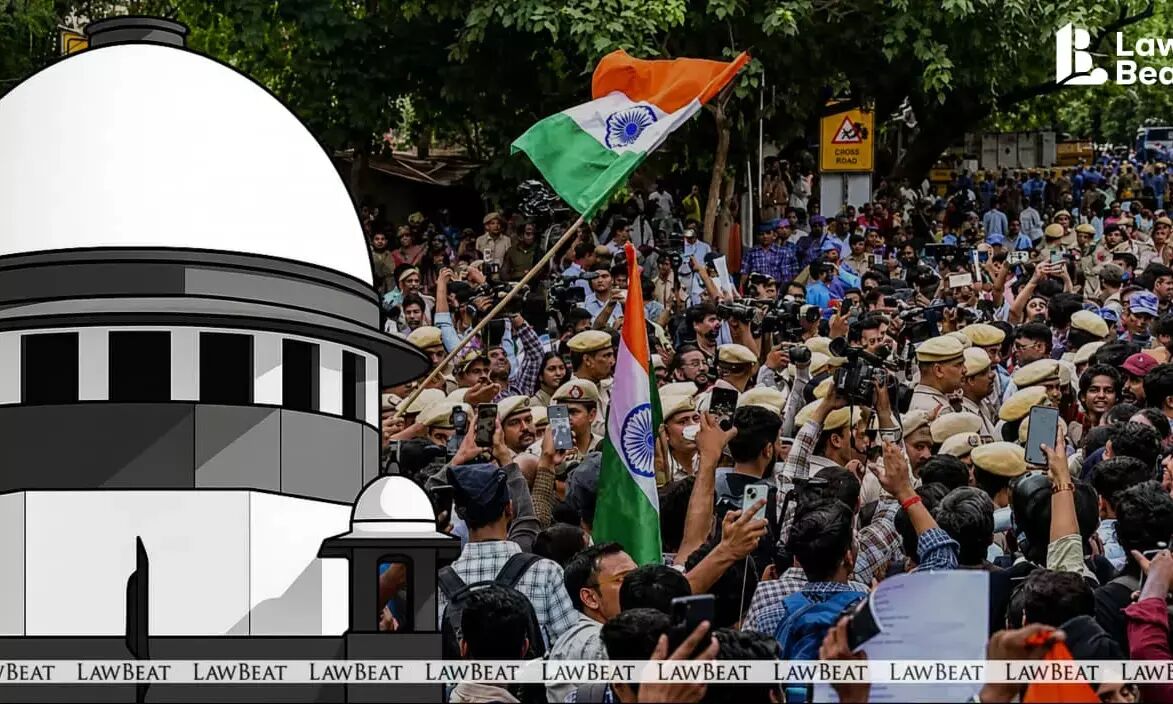
Centre Won't Withdraw FIRs Against NEET Protesters With Heinous Criminal Antecedents
Summary
- The Centre informed the Supreme Court that it will not withdraw FIRs against NEET protesters with heinous criminal antecedents.
- 2700 such FIRs shall not be withdrawn, according to Solicitor General Tushar Mehta.
- The Supreme Court had previously directed that no coercive action would be taken against protestors involved in the recent protests, except those with a criminal background.
- The Centre's decision may have implications for lawyers and compliance officers representing clients involved in the protests.
- The right to protest is guaranteed under India's constitutional scheme, but must be balanced against the need to maintain law and order.
What Happened
The Centre informed the Supreme Court that it will not withdraw FIRs against NEET protesters with heinous criminal antecedents. This decision was made after Solicitor General Tushar Mehta told the bench that 2700 such FIRs shall not be withdrawn. The Centre's stance is in line with the Supreme Court's previous order, which clarified that the term 'criminal antecedents' refers to grave and heinous offences. The court had also directed that no coercive action would be taken against protestors involved in the recent protests, except those with a criminal background.
Legal Context
The Supreme Court's decision to allow the Centre to withdraw FIRs against protestors without heinous criminal antecedents is significant. The court had previously directed that all CCTV footage, drone recordings, wireless communications, and other records in connection with the protests be preserved. This suggests that the court is taking a serious view of police action against student protesters during the NEET protests. The Centre's decision not to withdraw FIRs against protestors with heinous criminal antecedents may have implications for lawyers and compliance officers representing clients involved in the protests.
Why It Matters
The Centre's decision not to withdraw FIRs against NEET protesters with heinous criminal antecedents has significant implications for student protesters and their families. The decision may also have broader implications for the right to protest and police accountability in India. As Solicitor General Tushar Mehta noted, 'STUDENTS HAVE A RIGHT TO PROTEST', but this right must be balanced against the need to maintain law and order. The Centre's stance on FIRs against protestors with heinous criminal antecedents may be seen as a compromise between these competing interests.
Practical Implications
Lawyers and compliance officers should note that the Centre's decision not to withdraw FIRs against NEET protesters with heinous criminal antecedents may have implications for their clients who were involved in the protests, particularly if they are facing charges related to grave or heinous offences.
Source
Source: Original reporting via LawBeat
How does this affect your business?
Get an AI analysis of this article grounded in your jurisdictions, practice areas, and any policy documents you've uploaded to Wansom.
Wansom is AI and can make mistakes.