
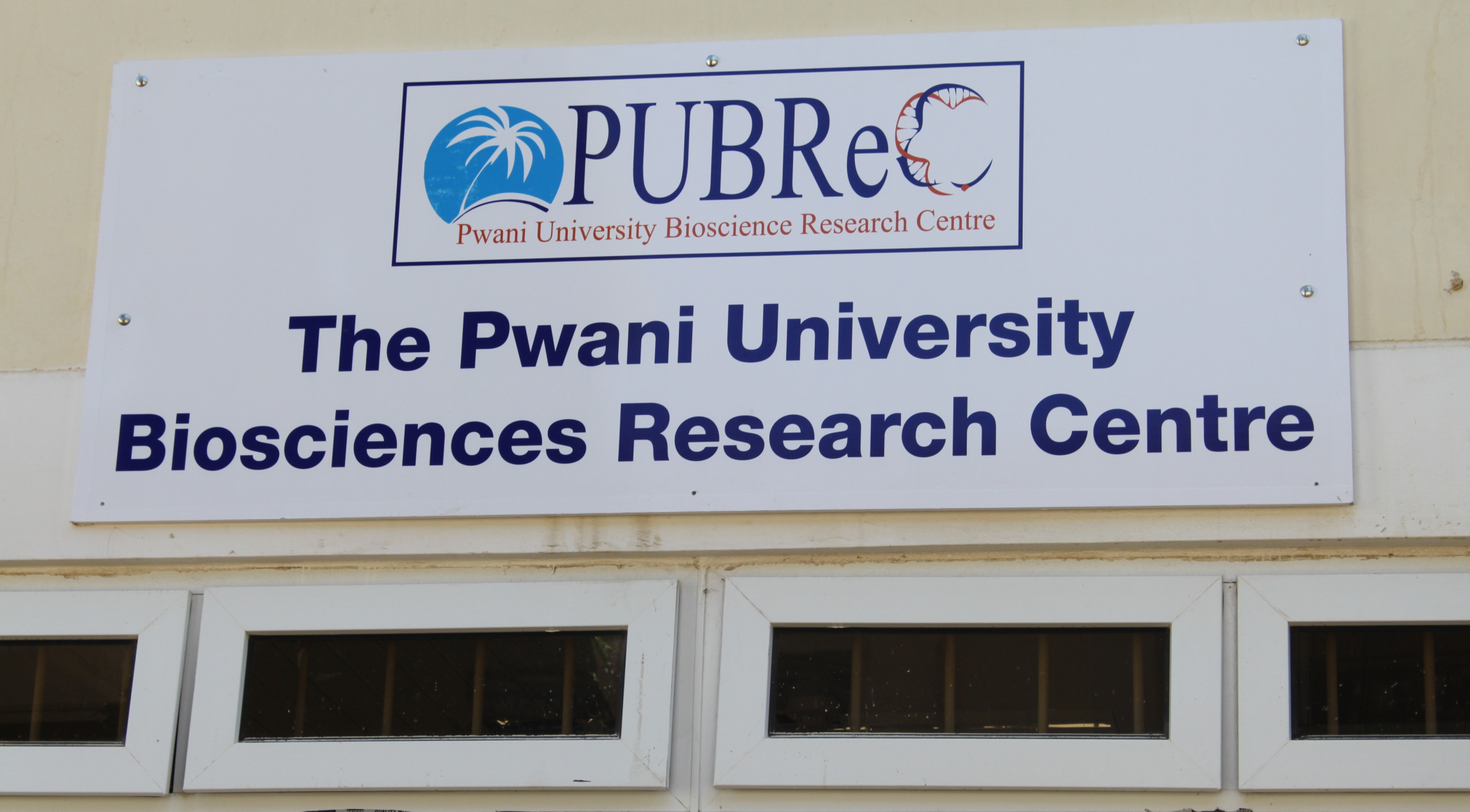
Pwani University: Biosafety Certification for Kenya Biotech Research
Summary
- The National Biosafety Authority certified Pwani University's Biosciences Research Centre.
- This certification allows the center to conduct modern biotechnology research.
- The facility was designated a Biosafety Level II (BSL-2) Containment Facility.
- The certification complies with Kenya’s Biosafety (Contained Use) Regulations, 2011.
- The NBA views this as a crucial step in strengthening the university's research capacity.
Pwani University Secures Key Biosafety Certification
This event highlights the National Biosafety Authority's active role in regulating biotechnology research in Kenya.
The National Biosafety Authority (NBA) has officially certified Pwani University's Biosciences Research Centre (PUBReC), granting it authorization to conduct research in modern biotechnology. This significant accreditation positions the university as a key player in advancing scientific inquiry within Kenya, particularly in fields that require stringent safety protocols. The certification specifically designates PUBReC as a Biosafety Level II (BSL-2) Containment Facility, a classification essential for managing biological research safely and effectively.
This approval from the NBA is a direct result of the facility's compliance with Kenya’s Biosafety (Contained Use) Regulations, 2011. The BSL-2 designation indicates that the center is equipped to handle moderate-risk biological agents and pathogens, which are commonly involved in cutting-edge biotechnology studies. The ability to perform such research under certified conditions is crucial for the development of new scientific applications and for strengthening the overall research infrastructure at Pwani University.
Regulatory Compliance Under Kenya's Biosafety Framework
The certification process for the Biosafety Level II facility at Pwani University underscores the rigorous regulatory environment established by Kenya’s Biosafety (Contained Use) Regulations, 2011. These regulations are designed to govern all aspects of contained use activities involving modern biotechnology, including genetically modified organisms (GMOs). The National Biosafety Authority is the primary body responsible for enforcing these standards, ensuring that all research and development in this sensitive area adheres to national and international safety guidelines.
Achieving BSL-2 status means that PUBReC has demonstrated its capacity to implement specific safety measures, including controlled access, decontamination procedures, and appropriate personal protective equipment, to mitigate risks associated with biological research. This level of certification is critical for conducting a wide array of biotechnology experiments, from genetic engineering to vaccine development, safely within the Kenyan context. The NBA's oversight ensures that facilities engaged in such work meet stringent criteria before they can operate.
Implications for Biotechnology Advancement in Kenya
The National Biosafety Authority has publicly stated that this certification represents a vital step in enhancing Pwani University's capability to undertake advanced biotechnology research. This development is expected to contribute significantly to Kenya's scientific landscape, fostering innovation and addressing local challenges through scientific solutions. The expansion of certified research facilities like PUBReC is integral to building a robust national capacity in modern biotechnology.
This event highlights the National Biosafety Authority's active role in regulating biotechnology research in Kenya. Lawyers advising academic institutions or private entities involved in GMO or biotechnology research should note the specific certification requirements under the Biosafety (Contained Use) Regulations, 2011, as the NBA continues to expand and monitor compliant facilities. The rigorous process for obtaining GMO research certification in Kenya demonstrates the country's commitment to responsible scientific progress and adherence to established biosafety protocols. This ongoing regulatory vigilance is essential for both public safety and the integrity of scientific endeavors.
Practical Implications
This development highlights the National Biosafety Authority's active role in regulating biotechnology research in Kenya. Lawyers advising academic institutions or private entities involved in GMO or biotechnology research should note the specific certification requirements under the Biosafety (Contained Use) Regulations, 2011, as the NBA continues to expand and monitor compliant facilities.
Source
How does this affect you?
Get an AI analysis of this article grounded in your jurisdictions, practice areas, and any policy documents you've uploaded to Wansom.
Finish Reading the Full Story and the Expert Analysis.
Get the latest legal & regulatory intelligence in Kenya
Wansom is AI and can make mistakes.