
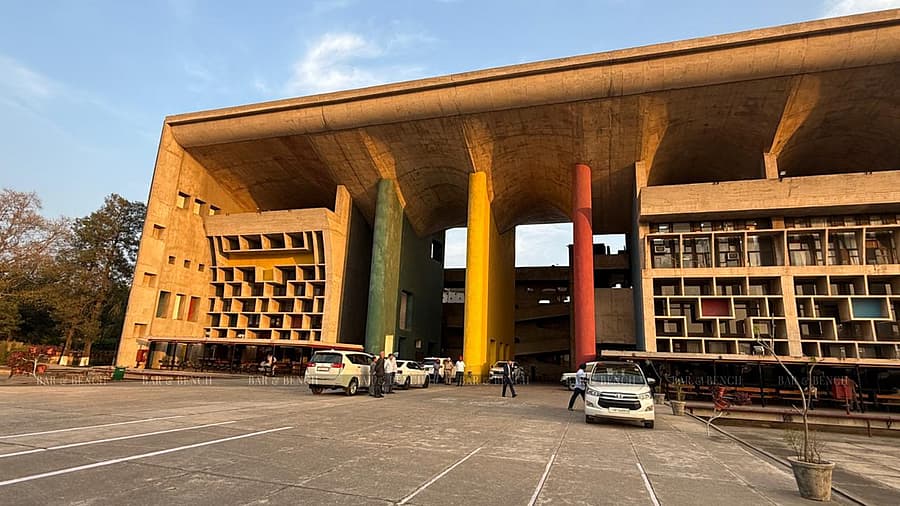
Punjab and Haryana High Court Seeks DRT-III Report on Delayed Adjudication
Summary
- Punjab and Haryana High Court directs DRT-III to submit report on delayed adjudication in reserved cases.
- Jairath Dyeing and Finishing's securitization application, filed against Indian Bank, highlights the issue of delayed adjudication in DRT-III.
- Several other cases have faced similar delays, with orders being reserved for over three months without any pronouncement.
- The court's action may indicate a trend of delayed adjudications and potential compliance exposures for lenders and debt recovery tribunals.
- Lawyers representing clients with pending securitization applications before DRT-III should monitor this situation closely.
Delayed Adjudication in DRT-III: A Growing Concern
The Court asked the DRT-III to submit a report with regard to the case before August 17. 'In addition to the above, DRT-III, Chandigarh, shall also submit a report giving details of those cases in which orders have been reserved for more than three months and have not been pronounced as yet,' the Bench directed further.
The Punjab and Haryana High Court has taken notice of a disturbing trend in the Debts Recovery Tribunal (DRT-III) at Chandigarh. A recent plea filed by Jairath Dyeing and Finishing, a proprietorship engaged in manufacture and export of knitted cloth and readymade garments, highlighted the issue of delayed adjudication in reserved cases. The company's securitization application, which challenged Indian Bank's decision to sell mortgaged properties, was heard on April 06 but no final order has been pronounced till date. This is not an isolated incident; several other cases have also faced similar delays, with orders being reserved for over three months without any pronouncement.
Legal Context: Securitization Applications and Delayed Adjudication
The securitization application filed by Jairath Dyeing and Finishing was a result of Indian Bank's decision to sell the mortgaged properties in relation to a cash credit facility sanctioned in 2011. The loan account had been classified as a Non Performing Asset (NPA) due to the proprietorship's failure to pay outstanding dues. The DRT-III has been entrusted with the task of resolving such disputes, but the recent delays have raised concerns about the efficiency and effectiveness of the tribunal. The legal framework governing securitization applications is complex, and any delay in adjudication can have significant implications for lenders and debt recovery tribunals.
Why It Matters: Implications for Lenders and Debt Recovery Tribunals
The Punjab and Haryana High Court's directive to DRT-III to submit a report on delayed adjudication is a significant development. Lawyers representing clients with pending securitization applications before the DRT-III should monitor this situation closely, as it may indicate a trend of delayed adjudications and potential compliance exposures for lenders and debt recovery tribunals. The court's action also highlights the need for effective mechanisms to prevent such delays and ensure timely resolution of disputes. As the legal landscape continues to evolve, it is essential for stakeholders to stay informed about developments that can impact their businesses and operations.
Practical Implications
Lawyers representing clients with pending securitization applications before the DRT-III should monitor this development, as it may indicate a trend of delayed adjudications and potential compliance exposures for lenders and debt recovery tribunals.
Source
Source: Original reporting via [Source]
How does this affect your business?
Get an AI analysis of this article grounded in your jurisdictions, practice areas, and any policy documents you've uploaded to Wansom.
Wansom is AI and can make mistakes.