
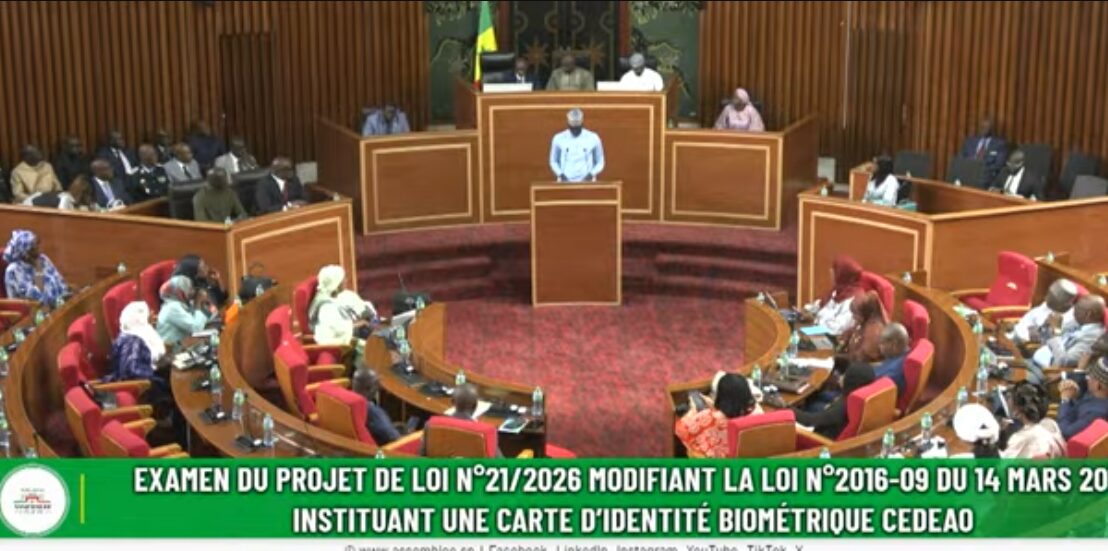
Sénégal: Projet Loi 21-2026 Retour Commission on Biometric ID Bill
Summary
- Senegal's National Assembly has sent projet de loi n°21-2026, which proposes changes to the ECOWAS biometric identity card law, back to commission.
- Abdoulaye Tall, president of the National Assembly's Law Commission, requested the bill's return for a new review after raising questions about its content.
- Deputies approved the request, indicating a consensus for further scrutiny of the proposed amendments.
- This action delays the legislative process for a bill critical to Senegal's identity verification and administrative procedures.
- The Law Commission will now re-examine the bill, potentially leading to revisions before it is reconsidered by the full Assembly.
Legislative Bill Sent Back for Review
The decision to send the projet loi 21-2026 retour commission Sénégal suggests that certain aspects of the proposed modifications require more detailed consideration before the bill can proceed to a full vote.
A significant legislative proposal, identified as projet de loi n°21-2026 Sénégal, which aims to amend the existing statute establishing the ECOWAS biometric identity card, has been returned to the parliamentary commission for further deliberation. This unexpected development occurred during a session of the National Assembly, signaling a pause in its progression towards becoming law. The decision to send the bill back was initiated by Abdoulaye Tall, who serves as the president of the National Assembly's Law Commission.
Mr. Tall formally requested that the text undergo a new examination by the commission. This request was subsequently approved by the deputies present, indicating a consensus within the legislative body that additional scrutiny is warranted. The return of the projet loi 21-2026 retour commission Sénégal suggests that certain aspects of the proposed modifications require more detailed consideration before the bill can proceed to a full vote.
Context of the Biometric Identity Legislation
The bill in question specifically targets the framework governing the loi carte identité biométrique CEDEAO Sénégal. This existing legislation is crucial for identity verification and administrative procedures across the nation, impacting citizens' daily lives and their interactions with public services. The proposed amendments, though not detailed in the immediate reporting, are significant enough to warrant a comprehensive re-evaluation by the legislative body's legal experts.
Abdoulaye Tall Assemblée nationale Sénégal, in his capacity as head of the Law Commission, raised specific questions regarding the bill. While the nature of these concerns has not been publicly disclosed, such interventions typically point to potential legal ambiguities, practical implementation challenges, or broader policy implications that require clarification. The commission's role is to meticulously review proposed laws, ensuring their constitutionality, coherence, and alignment with national objectives and international commitments.
Implications for Digital Identity and Administration
The decision to send the projet de loi n°21-2026 Sénégal back to commission carries notable implications for the broader landscape of législation identité numérique Sénégal and Sénégal droit administratif carte identité. Any modifications to the biometric identity card law could affect how digital identities are managed, verified, and utilized within the country's administrative systems. A delay in the legislative process means that any anticipated changes to identity verification protocols or data management standards will also be postponed.
This development underscores the rigorous nature of Senegal's legislative process, particularly concerning foundational laws related to citizen identity. The additional review period provides an opportunity for stakeholders to potentially engage further with the commission, addressing any outstanding concerns and refining the proposed amendments. The outcome of this renewed examination will ultimately shape the future of identity management and administrative efficiency in Senegal.
Path Forward and Continued Monitoring
With the projet loi 21-2026 retour commission Sénégal, the legislative journey for these proposed amendments is extended. The Law Commission will now undertake a fresh review, addressing the questions raised by its president, Abdoulaye Tall. This process could lead to revisions of the bill, further consultations, or a more detailed justification of its provisions before it is again presented to the full Assembly for consideration.
For legal professionals and compliance officers, this situation necessitates ongoing vigilance regarding the bill's progress. The eventual form of the amended loi carte identité biométrique CEDEAO Sénégal will have direct consequences for identity verification, data privacy, and administrative compliance requirements. Monitoring the commission's work and any subsequent public statements will be crucial for understanding the final shape of this important piece of legislation.
Practical Implications
Lawyers and compliance officers advising on identity verification, data privacy, or administrative procedures in Senegal should note the delay and potential amendments to the biometric ID card bill. This requires continued monitoring of its legislative progress before advising clients on final compliance obligations or implications.
Source
Source: Original reporting via {source}
How does this affect you?
Get an AI analysis of this article grounded in your jurisdictions, practice areas, and any policy documents you've uploaded to Wansom.
Finish Reading the Full Story and the Expert Analysis.
Get the latest legal & regulatory intelligence in Senegal
Wansom is AI and can make mistakes.