
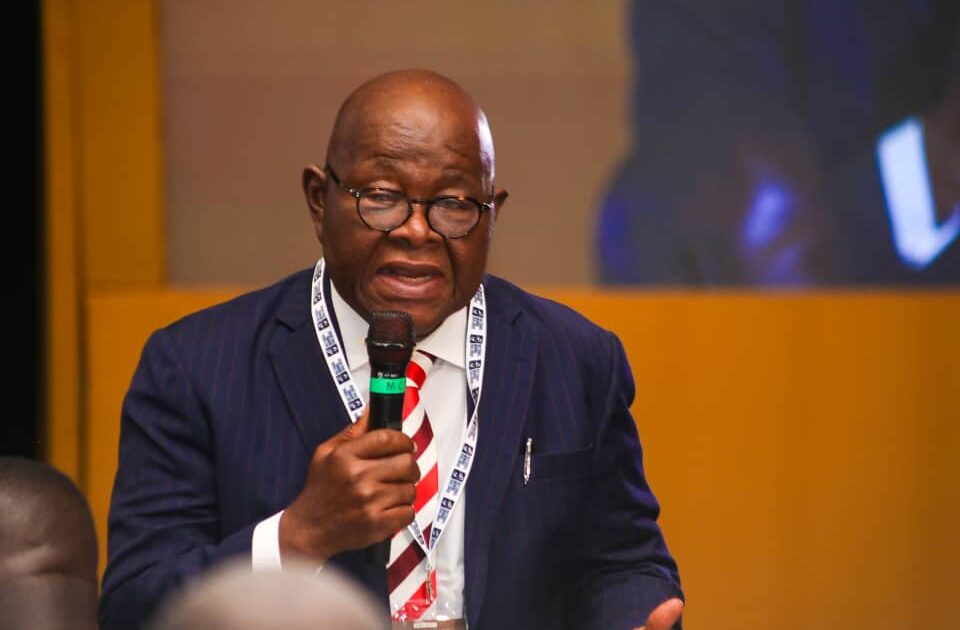
Prof Mike Oquaye Warns of Irresponsible Mining Consequences in Ghana
Summary
- Professor Mike Oquaye cautions stakeholders in Ghana's mining sector against irresponsible exploitation of natural resources.
- The former Speaker of Parliament emphasizes the importance of balancing the benefits of mining with environmental protection and sustainability.
- Stakeholders must recognize their responsibility as caretakers of the land and ensure that their activities do not harm the environment or deprive future generations of their inheritance.
- Ghana's mining sector has a history of irresponsible practices, with many stakeholders prioritizing short-term gains over long-term sustainability.
A Cautionary Note on Land Custodianship
The concept of land custodianship is deeply ingrained in Ghanaian culture, with the idea that the land belongs not only to the current generation but also to those who have passed on and those yet to be born. This notion was recently echoed by Professor Mike Oquaye, a former Speaker of Parliament, during the National Mining Dialogue event held at the Kempinski Hotel in Accra. According to Professor Oquaye, stakeholders in the mining sector must recognize their responsibility as caretakers of the land and ensure that their activities do not harm the environment or deprive future generations of their inheritance.
The emphasis on responsible land management is crucial, especially in the context of Ghana's mining sector, where the exploitation of natural resources can have far-reaching consequences. As Professor Oquaye noted, the benefits of mining must be balanced with the need to protect the country's natural resources.
A Legacy of Irresponsible Mining
Ghana's mining sector has a history of irresponsible practices, with many stakeholders prioritizing short-term gains over long-term sustainability. This approach not only harms the environment but also undermines the country's ability to reap the benefits of its mineral wealth in the future. Professor Oquaye's cautionary note serves as a reminder that the land is not a commodity to be exploited for personal gain, but rather a valuable resource that must be preserved for generations yet unborn.
The legacy of irresponsible mining in Ghana is a complex issue, with many communities affected by the negative impacts of mining activities. From environmental degradation to loss of livelihoods, the consequences of reckless mining practices are far-reaching and devastating.
A Call for Greater Responsibility
Professor Oquaye's emphasis on responsible land management is a timely reminder that stakeholders in the mining sector must take greater responsibility for their actions. This includes not only adhering to existing regulations but also adopting best practices that prioritize environmental protection and sustainability. By doing so, Ghana can ensure that its natural resources are managed in a way that benefits both current and future generations.
The call for greater responsibility is not limited to the mining sector alone. It is a broader societal issue that requires a collective effort to promote sustainable development and protect the environment. As Professor Oquaye noted, the land is not our own, but rather a shared inheritance that must be preserved for generations yet unborn.
Practical Implications
Lawyers and compliance officers should take note of Prof. Oquaye's emphasis on balancing the benefits of mining with environmental protection, as this may impact future regulatory requirements or industry standards for responsible resource extraction.
Source
How does this affect you?
Get an AI analysis of this article grounded in your jurisdictions, practice areas, and any policy documents you've uploaded to Wansom.
Wansom is AI and can make mistakes.