
Ghana High Court: Government Must Take Charge of Mineral Resources
Summary
- Prof. Mike Oquaye calls for Ghana to take greater ownership and control of its mineral resources.
- Decades of relying on royalties from foreign mining companies have not delivered the level of economic transformation Ghana needs.
- Ghanaian companies with significant experience in mining can be contracted, and international experts can provide specialized expertise.
- Greater national ownership would enable Ghana to develop industries around the resources and benefit from their by-products.
The National Mining Dialogue 2026: A Catalyst for Change
Prof. Oquaye argued that foreign investors can still play a role in Ghana's mining sector by providing capital and expertise, but without necessarily owning the country's mineral resources.
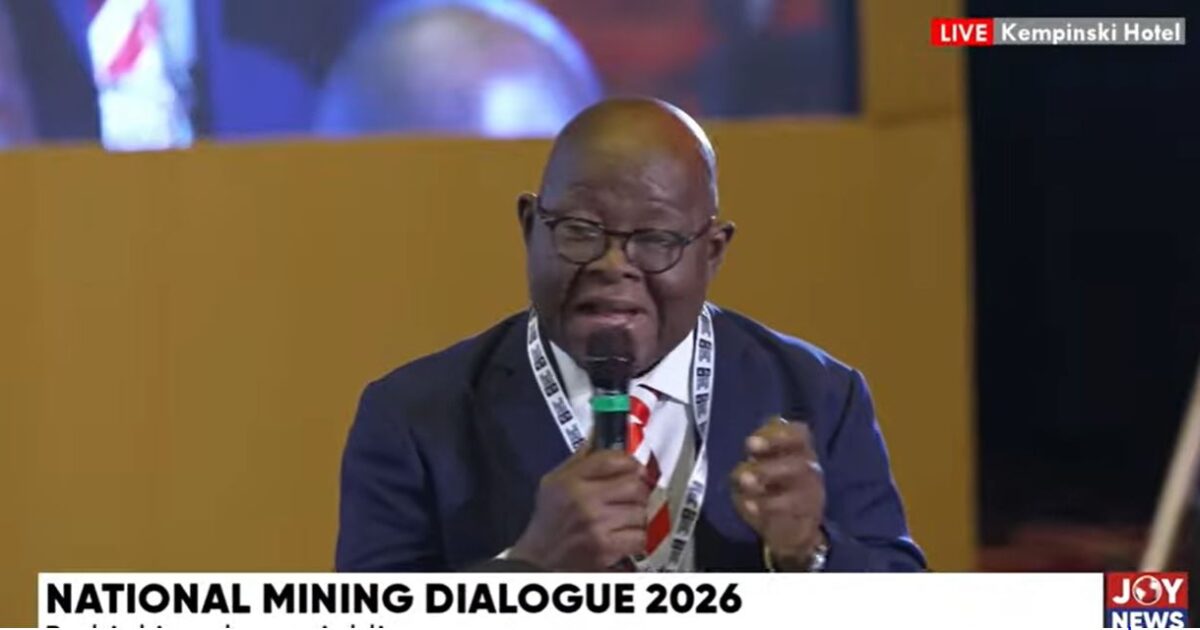
Ghana's mineral resources have long been a source of debate, with many arguing that the country must take greater ownership and control of its natural wealth. At the recent National Mining Dialogue 2026, Prof. Mike Oquaye, former Speaker of Parliament, made a compelling case for Ghana to rethink its approach to managing its mineral resources. According to Prof. Oquaye, decades of relying on royalties from foreign mining companies have not delivered the level of economic transformation that Ghana needs. In fact, the country has repeatedly turned to the International Monetary Fund for financial assistance despite possessing significant natural resources that could provide a stronger foundation for national development.
The Case for Greater National Ownership
Prof. Oquaye argued that foreign investors can still play a role in Ghana's mining sector by providing capital and expertise, but without necessarily owning the country's mineral resources. He pointed out that there are already Ghanaian companies with significant experience in mining, and international experts can be contracted where specialized expertise is required. The key issue, according to Prof. Oquaye, is for Ghana to retain ownership of the mineral product while engaging local and international expertise to support its exploitation. This would enable the country to develop industries around the resources and benefit from their by-products.
The Benefits of Value Addition
Prof. Oquaye further advocated for greater value addition to Ghana's minerals, arguing that ownership would provide a stronger foundation for building industries around the resources. He noted that Ghana currently lacks sufficiently developed gold manufacturing capacity and said owning the metal would enable the country to develop this capacity. This, in turn, would create jobs, support industrialization, and improve the welfare of future generations. Prof. Oquaye also acknowledged concerns about the management of state-owned enterprises, but argued that professional management could be secured locally or internationally.
Practical Implications
Lawyers and compliance officers should watch for potential changes in Ghana's mining regulations and laws that may impact foreign investors' rights, as Prof. Oquaye's comments suggest a shift towards greater national ownership of mineral resources.
Source
Source: Original reporting via HP News
How does this affect you?
Get an AI analysis of this article grounded in your jurisdictions, practice areas, and any policy documents you've uploaded to Wansom.
Wansom is AI and can make mistakes.