
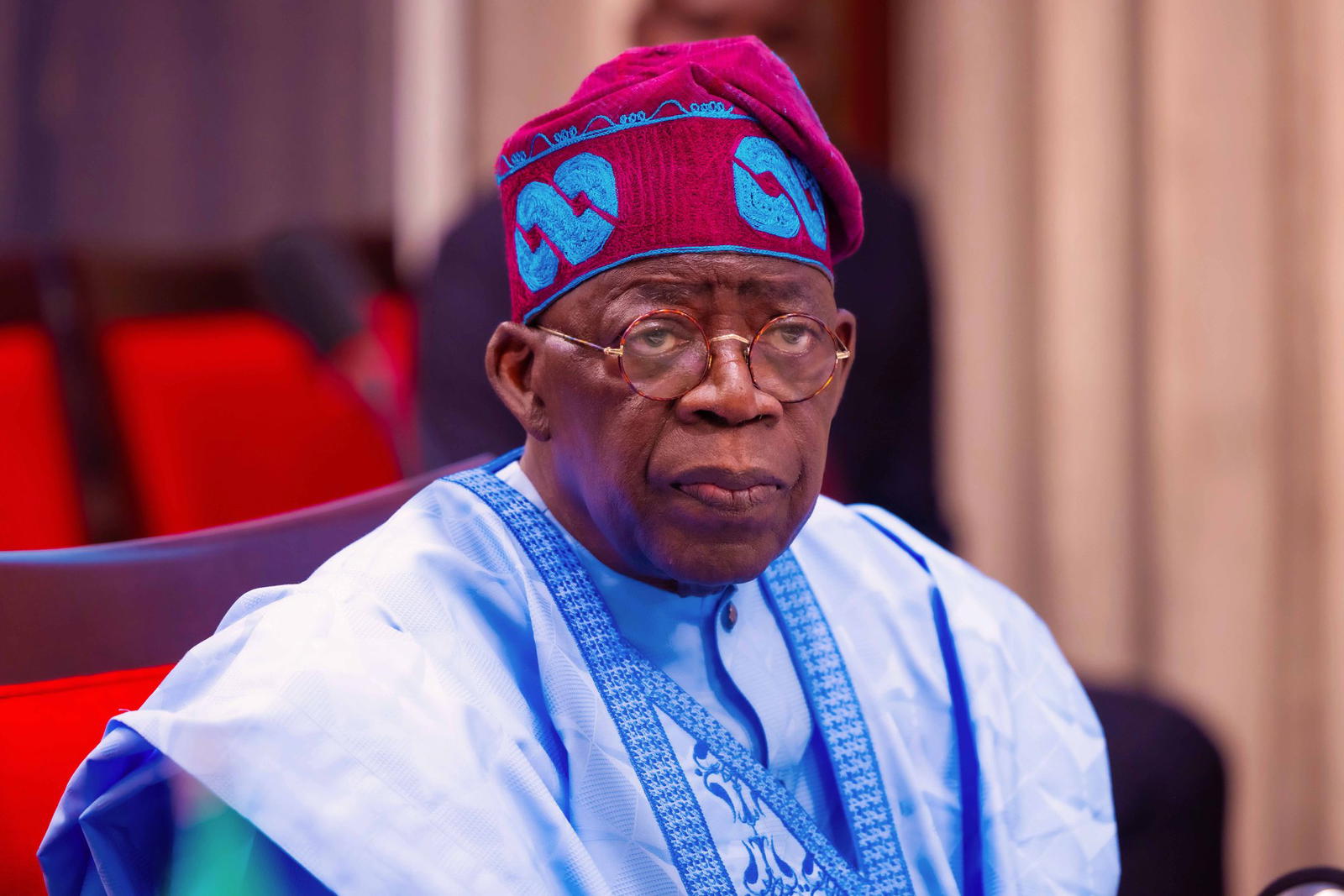
President Tinubu: NDDC 2026 Budget Proposal Sent to House
Summary
- President Bola Tinubu has submitted the Niger Delta Development Commission's 2026 statutory budget proposal to the House of Representatives.
- The budget document is now awaiting formal consideration and passage by the legislative body.
- This action initiates the parliamentary review process for the NDDC's financial plan for the upcoming fiscal year.
- The proposal outlines planned expenditures for the Commission's development mandate in the Niger Delta region.
- The House of Representatives will conduct a thorough scrutiny of the budget before its eventual approval.
Legislative Action Initiated
For lawyers advising clients with interests in sectors such as infrastructure development, energy projects, or environmental services within the Niger Delta, closely monitoring the legislative process of this budget is paramount.
President Bola Tinubu has formally transmitted the proposed financial blueprint for the Niger Delta Development Commission (NDDC) for the upcoming fiscal year, 2026, to the nation's legislative body. This crucial document, specifically identified as the 2026 statutory budget proposal, has been directed to the House of Representatives. The presidential action initiates the formal parliamentary review process for the Niger Delta Development Commission 2026 budget, marking a significant step in the annual financial planning for the region. The primary objective of this submission is to secure the necessary legislative consideration and subsequent passage, thereby authorizing the NDDC's expenditures and programs for the specified period. This move underscores the executive's role in proposing financial frameworks for key parastatals, setting the stage for the Nigeria public sector budget process.
This submission represents a standard but vital component of governance, ensuring that agencies like the NDDC receive the mandated financial backing to fulfill their responsibilities. The House of Representatives now holds the responsibility to deliberate on the specifics of the Tinubu NDDC 2026 budget proposal, a process that involves detailed scrutiny before it can be enacted into law. This initial step by President Tinubu is a clear indication of the administration's focus on ensuring the continuous funding and operational capacity of critical regional development bodies.
Understanding the NDDC's Mandate
The Niger Delta Development Commission (NDDC) holds a pivotal mandate for fostering socio-economic development across the oil-rich Niger Delta region. Established to address the ecological and developmental challenges unique to this area, the Commission relies heavily on its annual financial allocations to execute its projects and programs. The submission of the NDDC statutory budget Nigeria is therefore a critical event, as it outlines the planned investments in infrastructure, human capital development, environmental remediation, and other vital sectors within its operational scope. This budget proposal represents the projected financial resources required to fulfill the NDDC's statutory obligations and drive progress in communities often impacted by resource extraction. The careful scrutiny of this budget by the legislature is essential to ensure that the proposed allocations align with the region's pressing needs and the Commission's overarching objectives.
Historically, the NDDC's budget has been a focal point for discussions surrounding regional equity and resource management. The 2026 budget, like its predecessors, is expected to detail allocations for a wide array of projects aimed at improving the living standards and economic opportunities for the people of the Niger Delta. Its successful passage is crucial for the continuity of ongoing projects and the initiation of new ones, directly impacting the region's developmental trajectory.
Navigating Parliamentary Review
Upon its receipt, the Tinubu NDDC 2026 budget proposal will undergo a rigorous examination by the House of Representatives, a standard procedure within the Nigeria public sector budget process. This phase typically involves various stages, beginning with an initial reading and referral to relevant committees, such as those overseeing Niger Delta affairs and appropriations. These committees are tasked with scrutinizing the details of the proposed expenditures, engaging with stakeholders, and potentially inviting the NDDC management for clarifications and justifications. The legislative body's role in this Nigeria House of Representatives budget consideration is to ensure fiscal responsibility, transparency, and alignment with national development goals. Following committee reviews and potential amendments, the budget will be debated in the plenary session before being put to a vote for passage. This multi-layered process is designed to ensure thorough oversight before the President's legislative proposals become law.
This comprehensive review process allows for public input and legislative adjustments, ensuring that the final approved budget reflects both executive priorities and parliamentary oversight. The consideration of the Niger Delta Development Commission 2026 budget is a key aspect of the annual legislative calendar, highlighting the importance placed on the development of this critical region. The outcome of this parliamentary review will ultimately determine the financial framework within which the NDDC will operate for the 2026 fiscal year.
Significance for Regional Development
The forwarding of the Tinubu NDDC 2026 budget proposal carries substantial implications for the Niger Delta region and various stakeholders. For lawyers advising clients with interests in sectors such as infrastructure development, energy projects, or environmental services within the Niger Delta, closely monitoring the legislative process of this budget is paramount. Its final approval will directly dictate the funding allocations available for projects and initiatives, potentially creating new opportunities or necessitating adjustments to existing operational strategies. The budget's passage will also clarify the financial scope for regulatory changes or enforcement actions impacting operations within the NDDC's purview. Therefore, understanding the trajectory of this specific Niger Delta Development Commission 2026 budget through the House of Representatives is crucial for strategic planning and risk assessment in the region.
Stakeholders, including local communities, contractors, and international partners, will be keenly observing the Nigeria House of Representatives budget consideration to gauge the future direction of development efforts. The approved budget will serve as a roadmap for the NDDC's activities, influencing investment decisions and project timelines across the Niger Delta. This legislative action by President Tinubu is not merely a procedural step but a foundational element for the region's continued progress and stability.
Practical Implications
Lawyers advising clients with interests in the Niger Delta region, particularly in infrastructure, energy, or environmental sectors, should closely monitor the legislative process of this budget. Its final approval will dictate funding allocations and potential project opportunities or regulatory changes impacting operations within the NDDC's purview.
Source
How does this affect you?
Get an AI analysis of this article grounded in your jurisdictions, practice areas, and any policy documents you've uploaded to Wansom.
Finish Reading the Full Story and the Expert Analysis.
Get the latest legal & regulatory intelligence in Nigeria
Wansom is AI and can make mistakes.