
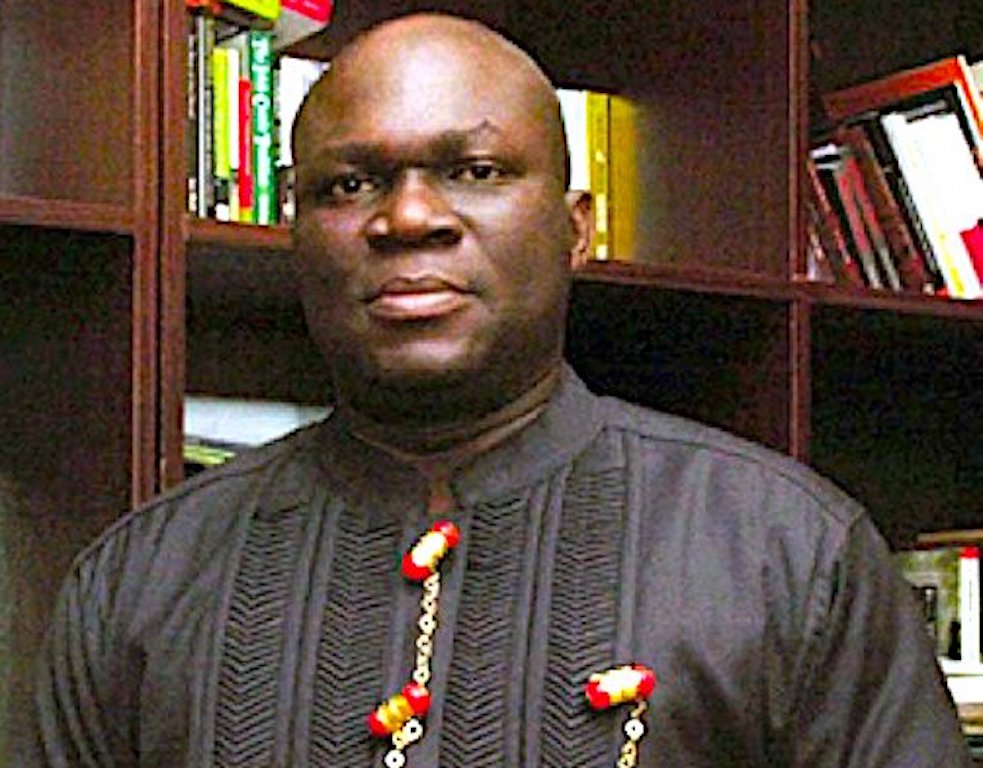
Reuben Abati: President Tinubu Leave 1999 Constitution Violation Found
Summary
- President Bola Ahmed Tinubu recently returned to Nigeria after a 30-day "working leave" in Europe.
- Reuben Abati's analysis asserts that this 30-day leave constituted "in every sense" a violation of the 1999 Nigerian Constitution.
- The extended absence generated public controversy, with Abdullahi Ganduje, currently the Chairman of the Board of the Federal Airports Authority of Nigeria (FAAN) and former Governor, jokingly renaming the President "Ashiru Bala Ahmadu Tanimu."
- The incident highlights ongoing debates regarding presidential absences and the constitutional limits on executive powers in Nigeria.
Presidential Return and Extended Absence
According to an analysis by Reuben Abati, the President's 30-day 'working leave' in Europe constitutes, 'in every sense,' a violation of the 1999 Nigerian Constitution.
President Bola Ahmed Tinubu recently concluded a month-long sojourn in Europe, which his office characterized as a "working leave." His return to Nigeria occurred precisely one week prior to the publication of the analysis by Reuben Abati. This 30-day period of absence from the country has drawn considerable public and legal scrutiny, becoming a focal point of discussion regarding executive conduct.
The nature and duration of this overseas trip have prompted significant debate across various sectors, raising questions about the appropriate protocols for presidential absences. The extended time spent abroad by the head of state has fueled widespread commentary on the balance between official duties and personal or working trips outside national borders.
Constitutional Challenge Emerges
The extended absence of President Tinubu has been explicitly identified as a potential breach of the nation's foundational legal document. According to an analysis by Reuben Abati, the President's 30-day "working leave" in Europe constitutes, "in every sense," a violation of the 1999 Nigerian Constitution. This assertion highlights a critical legal perspective on the parameters governing the President's time away from official duties within the country.
The claim of a President Tinubu leave 1999 Constitution violation underscores the ongoing debate about the interpretation of presidential powers and responsibilities under the Nigerian 1999 Constitution presidential leave provisions. This legal challenge suggests that the duration and nature of the President's absence may have exceeded constitutional allowances, prompting a re-evaluation of established norms for executive travel and continuity of governance.
Public Discourse and Political Commentary
The President's European trip was not only a subject of constitutional debate but also ignited a wave of public controversy and political commentary. The extended duration of the Bola Ahmed Tinubu 30-day leave fueled discussions among citizens and political figures alike, reflecting a broader concern about presidential accountability and transparency.
Illustrating the informal yet pointed nature of some of this commentary, Abdullahi Ganduje, currently the Chairman of the Board of the Federal Airports Authority of Nigeria (FAAN) and former Governor, playfully referred to President Tinubu with a new, Northern-sounding moniker, "Ashiru Bala Ahmadu Tanimu," humorously declaring him a "citizen of Kano." This anecdote reflects the broader, often lighthearted yet critical, public engagement surrounding the President's absence and the perceived implications for governance and national identity.
Implications for Executive Powers
The constitutional analysis put forth by Reuben Abati regarding President Tinubu's recent absence brings into sharp focus the legal limits on executive powers constitutional limits NG. The assertion that a 30-day "working leave" could violate the 1999 Constitution suggests a strict interpretation of the provisions governing presidential conduct and continuity of government.
This perspective, articulated in the Reuben Abati Tinubu constitutional analysis, contributes significantly to the discourse on presidential absence Nigeria legality. It prompts a deeper examination of how the nation's supreme law defines the conditions under which a president may be away from the seat of power and the implications for accountability and constitutional adherence. Such discussions are vital for clarifying the boundaries of executive authority and ensuring that presidential actions remain within the established legal framework, potentially influencing future policy and legal challenges concerning presidential conduct.
Practical Implications
Lawyers advising on constitutional law or executive powers in Nigeria should monitor the ongoing public and legal discourse regarding the interpretation of the 1999 Constitution concerning presidential absences. This discussion highlights potential areas of legal scrutiny for the executive and could inform future challenges or policy debates on presidential conduct and accountability.
Source
Source: Analysis by Reuben Abati
How does this affect you?
Get an AI analysis of this article grounded in your jurisdictions, practice areas, and any policy documents you've uploaded to Wansom.
Finish Reading the Full Story and the Expert Analysis.
Get the latest legal & regulatory intelligence in Nigeria
Wansom is AI and can make mistakes.