
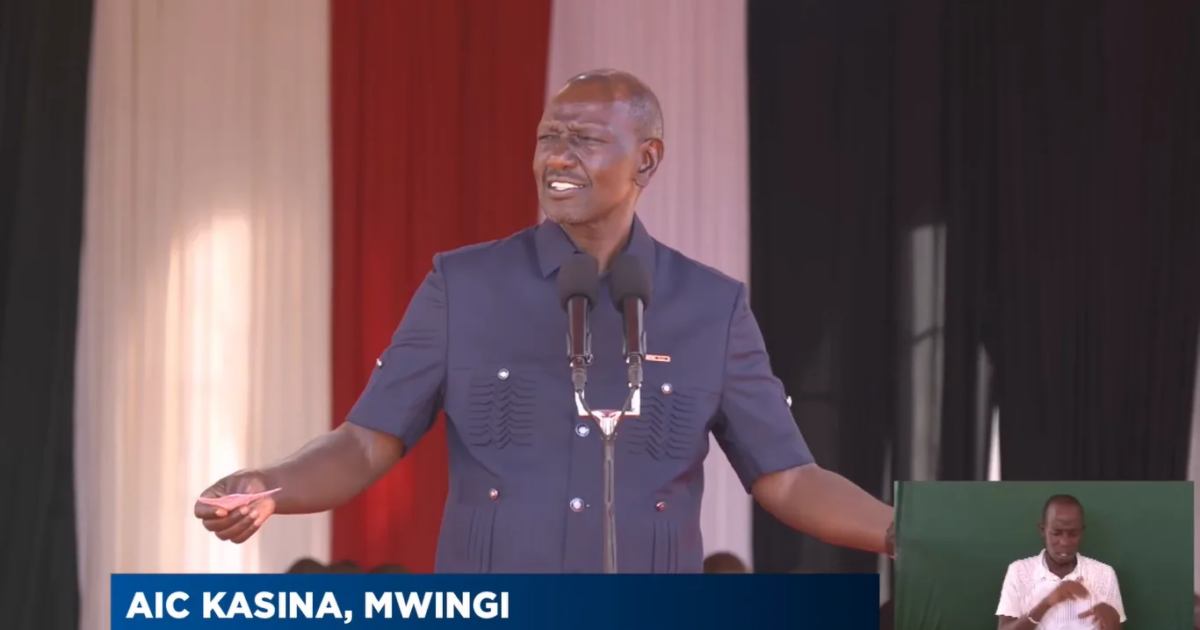
President Ruto Defends Dangote KPC 25% Stake Acquisition
Summary
- President William Ruto defended Aliko Dangote's acquisition of a 25% stake in the Kenya Pipeline Company (KPC) amid public outcry.
- Ruto insisted the deal would benefit Kenyans and warned against interference from "extortionists and brokers."
- Opposition leaders, including MP Ndindi Nyoro, questioned the transparency of the share sale and the returns for public institutions.
- The KPC transaction and Dangote's petroleum refinery project in Lamu, which has commenced construction, have intensified debate over Kenya's privatization program and strategic investments.
- Questions remain regarding the commercial terms, institutional returns, and governance implications of the KPC share sale.
The Controversy Unfolds
For legal and compliance professionals, this case serves as a salient reminder of the intricate landscape surrounding investments in Kenya's strategic sectors.
President William Ruto recently came to the defense of Nigerian billionaire Aliko Dangote's acquisition of a 25% stake in the Kenya Pipeline Company (KPC). This presidential intervention, which occurred on October 24, was prompted by a significant public outcry surrounding the transaction. Ruto firmly asserted that the deal would ultimately benefit the Kenyan populace, while simultaneously issuing a stern warning against "extortionists and brokers" who might seek to obstruct investment opportunities within the nation.
The circumstances surrounding the sale of these KPC shares have drawn considerable scrutiny from opposition figures. Questions have been raised concerning the involvement of state-linked institutions in the transaction and the overall transparency of the government's broader investment strategies that involve Dangote. Ndindi Nyoro, who serves as both the leader of the People's Party of Kenya and the Member of Parliament for Kiharu, has been particularly vocal. He has challenged the share sale, alleging that public institutions were encouraged to purchase shares during KPC's initial public offering, only for a substantial block to subsequently be sold to Dangote.
Nyoro's concerns extend to whether these institutions secured adequate returns from their participation and he has called for greater disclosure regarding the specific arrangements of the transaction. While his allegations have not been independently verified, the government maintains that the investment is aligned with Kenya's economic interests. The KPC acquisition has garnered heightened attention due to the company's critical role in operating strategic petroleum transportation and storage infrastructure, which is vital not only for Kenya but also for broader regional markets. This "President Ruto defends Dangote KPC 25% stake" narrative highlights the tension between government policy and public sentiment.
Government's Stance and Broader Context
The government's position, as articulated by President Ruto, emphasizes the importance of attracting private capital into strategic sectors as a cornerstone of economic development. He argues that the Aliko Dangote Kenya Pipeline acquisition should be evaluated based on the tangible benefits it is projected to deliver to the nation. This perspective frames the transaction as a necessary step to bolster Kenya's economic future, despite the ongoing "KPC privatization controversy Kenya."
Beyond the KPC stake, the debate has also encompassed Dangote's petroleum refinery project in Lamu, which has commenced construction. Critics have demanded increased transparency concerning the refinery's ownership structure, its financing mechanisms, and the underlying investment agreements. In contrast, the government has championed the "Dangote Lamu refinery debate" as a strategic initiative. It is presented as a project poised to generate employment, reinforce the country's energy infrastructure, and diminish Kenya's reliance on imported refined petroleum products, thereby enhancing national energy security.
President Ruto's administration views such investments as crucial for strengthening "Kenya strategic petroleum infrastructure investment" and other key economic pillars. The government believes that by welcoming significant private sector involvement, Kenya can accelerate its development goals. This approach, however, has intensified the national discussion surrounding Kenya's privatization program, particularly regarding how to strike an appropriate balance between drawing in private investment and safeguarding the public interest.
Unanswered Questions and Future Implications
Despite the government's assurances, several critical questions persist regarding the Dangote KPC transaction. These include inquiries into the precise commercial terms of the share sale, the actual returns realized by the institutions that divested their shares, and the broader implications of the new ownership structure for KPC's corporate governance. The lack of comprehensive disclosure continues to fuel public and political skepticism, underscoring the complexities inherent in large-scale strategic asset sales.
For legal and compliance professionals, this case serves as a salient reminder of the intricate landscape surrounding investments in Kenya's strategic sectors. It highlights the imperative for thorough due diligence, not only on financial and regulatory aspects but also on public sentiment and potential political opposition. The ongoing scrutiny of the KPC deal, and the broader "Ndindi Nyoro KPC shares questions," demonstrates that transparency and robust stakeholder engagement strategies are paramount for ensuring deal viability and maintaining positive public relations.
The unfolding situation underscores the delicate balance governments must maintain when pursuing economic development through privatization. While attracting foreign capital is often seen as vital, the process must be perceived as fair, transparent, and ultimately beneficial to the citizenry. The KPC acquisition has brought these considerations to the forefront, setting a precedent for how future strategic investments and privatization efforts in Kenya will likely be scrutinized.
Practical Implications
Lawyers and compliance officers should advise clients involved in or considering investments in Kenya's strategic sectors, especially those involving privatization or significant foreign stakes, to conduct thorough due diligence on public sentiment, regulatory transparency, and potential political opposition, as these factors can significantly impact deal viability and public relations. This case highlights the ongoing scrutiny of large-scale asset sales and the need for robust stakeholder engagement strategies.
Source
How does this affect you?
Get an AI analysis of this article grounded in your jurisdictions, practice areas, and any policy documents you've uploaded to Wansom.
Finish Reading the Full Story and the Expert Analysis.
Get the latest legal & regulatory intelligence in Kenya
Wansom is AI and can make mistakes.