
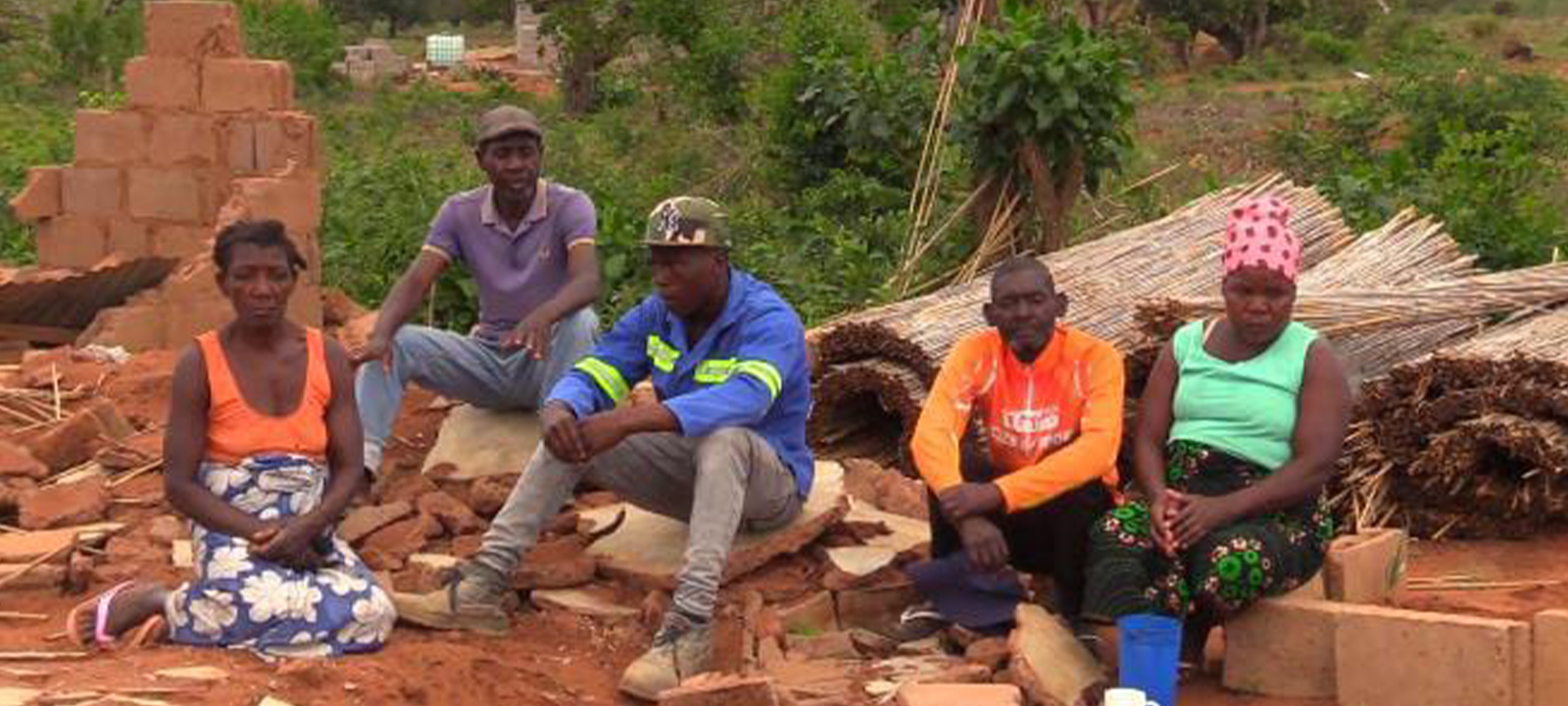
Presidência República: Acknowledges Demolições Arbitrárias Chibuto Complaint
Summary
- Residents in Chibuto have formally complained to the Presidency of the Republic about alleged arbitrary demolitions.
- These demolitions reportedly occurred in an area designated for hospital construction.
- The Presidency confirmed receiving the complaint and forwarded it to central and provincial authorities for follow-up and response.
- The affected community also reports alleged threats and accuses the local mayor of involvement.
What Happened
The direct appeal by residents regarding Demolições arbitrárias Chibuto Presidência República carries significant weight, underscoring the critical importance of transparent land management and adherence to legal processes in urban development.
Residents in Chibuto, who claim to have been impacted by what they describe as arbitrary demolitions, have formally lodged a complaint with the highest office in the land, the Presidency of the Republic. These demolitions reportedly took place in an area specifically designated for the construction of a new hospital, raising significant concerns among the local populace. The decision by the affected individuals to bypass local authorities and appeal directly to the President underscores the gravity of their situation and their perceived lack of recourse at lower administrative levels.
Documents reviewed by O País confirm that the Presidency of the Republic duly acknowledged receipt of this formal complaint. This acknowledgment signifies that the concerns of the Chibuto residents regarding the alleged arbitrary demolitions have officially entered the presidential administrative system. The direct engagement of the Presidency in such a localized dispute highlights the potential for broader implications concerning land rights and urban development practices.
Community Concerns and Allegations
Beyond the initial complaint about the physical destruction of their properties, the affected residents of Chibuto are also reporting a climate of intimidation. They allege that they have been subjected to various threats following the demolitions. These accusations paint a picture of ongoing pressure and fear within the community, suggesting that the issue extends beyond mere property disputes to encompass personal safety and freedom of expression.
Furthermore, the community has directly implicated the local mayor in these events. The accusation against the edil (mayor) suggests a belief among the residents that the local leadership is either directly involved in or complicit with the actions leading to the demolitions and subsequent threats. This direct accusation against a high-ranking local official elevates the seriousness of the complaint, transforming it into an issue of local governance and accountability.
Official Response and Next Steps
Following the confirmation of receipt, the Presidency of the Republic has taken an initial procedural step by forwarding the comprehensive complaint to both central and provincial administrative structures. This action indicates that the matter is now being channeled through official governmental pathways for further investigation and resolution. The directive for these structures is clear: to provide both follow-up on the situation and a substantive response to the grievances raised by the Chibuto residents.
The referral to both central and provincial bodies suggests a multi-layered approach to addressing the complaint. While central structures may offer oversight and policy guidance, provincial authorities are expected to engage more directly with the local context in Chibuto. This administrative process is designed to ensure that the allegations of arbitrary demolitions and associated threats receive a thorough review from different levels of government, aiming for a comprehensive understanding and resolution.
Why It Matters
The direct appeal by residents regarding Demolições arbitrárias Chibuto Presidência República carries significant weight, underscoring the critical importance of transparent land management and adherence to legal processes in urban development. When citizens feel compelled to elevate local grievances to the highest office, it often signals a perceived failure of local governance or a lack of trust in regional administrative mechanisms. The fact that these demolitions occurred in an area earmarked for a hospital further complicates the matter, pitting public infrastructure development against individual property rights.
The involvement of the Presidency, even in a referral capacity, transforms this local dispute into a matter of national attention, emphasizing the need for accountability from all levels of government. The allegations of threats and the direct accusation against the mayor highlight potential abuses of power and the vulnerability of communities facing development projects. The outcome of this presidential intervention and the subsequent actions by central and provincial structures will set a precedent for how similar land disputes and allegations of arbitrary actions are handled across the country, reinforcing the rule of law and protecting citizen rights.
Source
Source: Original reporting via O País
How does this affect you?
Get an AI analysis of this article grounded in your jurisdictions, practice areas, and any policy documents you've uploaded to Wansom.
Finish Reading the Full Story and the Expert Analysis.
Get the latest legal & regulatory intelligence in Mozambique
Wansom is AI and can make mistakes.