
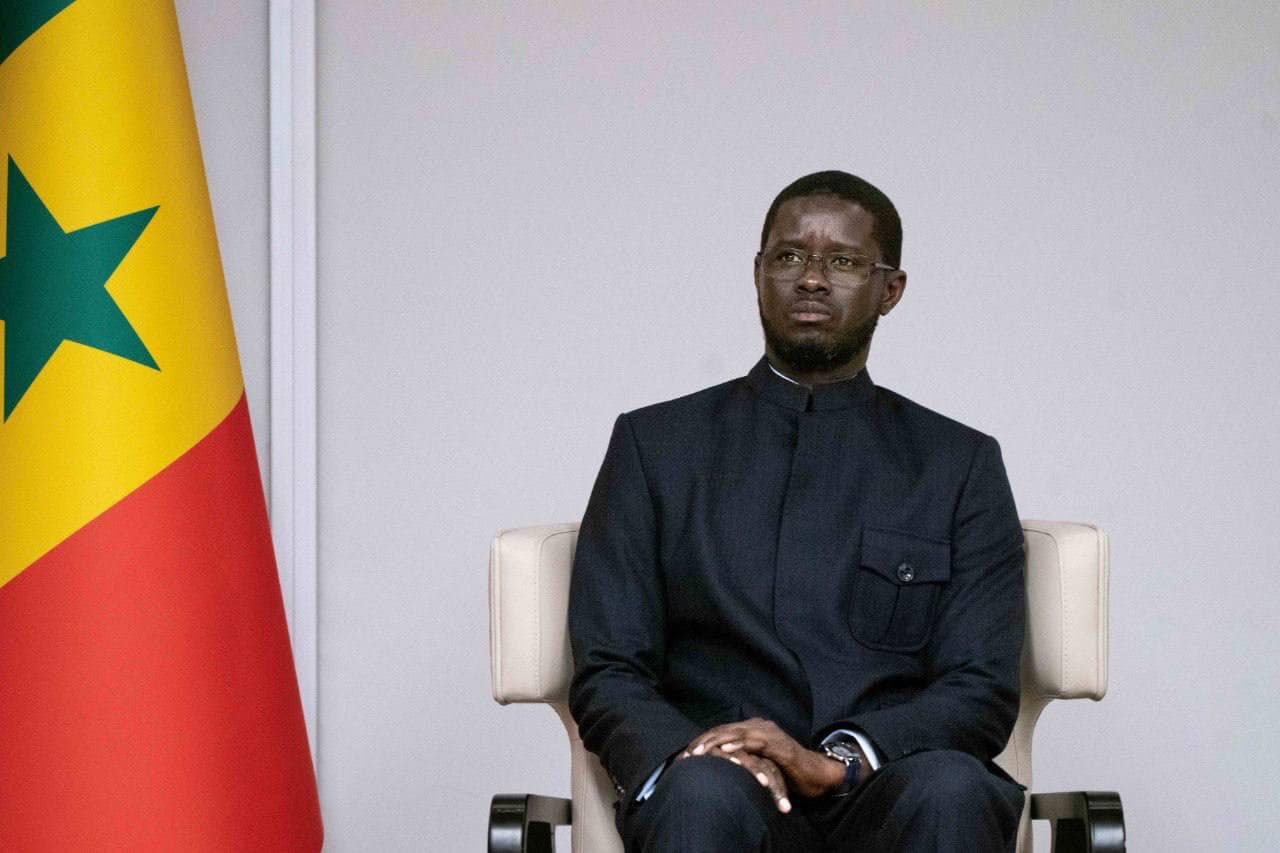
Président Sénégal: Exécution LFR 2026 et LFI 2027 par Décret Présidentiel
Summary
- The President of Senegal issued Decree No. 2026-2416 on November 19, 2026.
- This decree mandates the execution of the Loi de Finances Rectificative (LFR) 2026 and the Loi de Finances Initiale (LFI) 2027.
- The Presidency's communiqué states that Article 68 of the Constitution of Senegal provides the legal basis for this action.
- The use of a presidential decree for budget law execution prompts legal analysis regarding the extent of executive powers.
- This situation highlights the importance of scrutinizing the constitutional grounds for such decrees in public finance.
Presidential Action on Budget Laws
The ongoing debate surrounding Article 68 of the Constitution of Senegal, therefore, becomes a crucial element in understanding the legal landscape for governmental financial operations.
The Presidency of Senegal recently issued an official communiqué detailing a significant executive action concerning the nation's financial legislation. This communication announced the Head of State's decision to mandate the execution of both the Loi de Finances Rectificative (LFR) for 2026 and the Loi de Finances Initiale (LFI) for 2027 through a presidential decree. This move underscores the President's direct involvement in implementing the country's budgetary framework, utilizing `Pouvoirs Présidentiels Sénégal` to enact these crucial financial instruments.
Specifically, the decree in question is identified as Decree No. 2026-2416, which was formally enacted on November 19, 2026. This executive order serves as the mechanism for putting the revised and initial finance laws into effect. The Presidency explicitly stated that this action, the `Président Sénégal exécution LFR LFI décret`, is not an arbitrary measure but is firmly rooted in existing legal provisions, asserting a clear legal foundation for the President's authority in this matter.
Constitutional Basis and Budgetary Authority
The legal justification for the President's action, as articulated in the communiqué, rests squarely on Article 68 of the Constitution of Senegal. This particular article is cited as the constitutional underpinning that grants the President the authority to proceed with the execution of the LFR 2026 and the LFI 2027 via a presidential decree. The reliance on `Article 68 Constitution Sénégal` highlights a specific interpretation of executive powers regarding the implementation of national financial policy.
The Loi de Finances Rectificative (LFR) typically adjusts the budget mid-year to account for economic changes or unforeseen expenditures, while the Loi de Finances Initiale (LFI) establishes the financial parameters and allocations for the upcoming fiscal year. The execution of these critical financial instruments through a `décret présidentiel Sénégal légalité` raises important questions about the interplay between legislative approval of budget laws and executive implementation. The President's use of a decree for this purpose indicates a direct exercise of executive power in managing the state's financial operations, aiming to ensure the timely implementation of budgetary provisions.
Legal Scrutiny and Implications
The decision by the President of Senegal to execute the LFR 2026 and LFI 2027 through a decree, specifically Decree No. 2026-2416, has drawn attention to the legal boundaries of `Pouvoirs Présidentiels Sénégal`. The explicit reliance on Article 68 of the Constitution as the basis for this action invites a closer `Momar Malick DIOP analyse juridique` of the constitutional provisions governing the implementation of budget laws. This situation prompts a critical examination of whether the execution of such fundamental financial legislation by presidential decree aligns with established constitutional practices and legal principles, particularly concerning the `Loi de Finances Rectificative Sénégal` and `Loi de Finances Initiale Sénégal`.
The broader implication of this executive approach to budget implementation, particularly the `Président Sénégal exécution LFR LFI décret`, extends to the legal certainty surrounding state finances. Lawyers advising on public finance or constitutional matters in Senegal are now compelled to scrutinize the precise legal basis for these presidential decrees. The validity of financial obligations or state contracts that derive from such decrees could become a point of contention, necessitating thorough due diligence for any clients engaging with the state budget. The ongoing debate surrounding Article 68 of the Constitution of Senegal, therefore, becomes a crucial element in understanding the legal landscape for governmental financial operations.
Practical Implications
Lawyers advising on public finance or constitutional matters in Senegal should scrutinize the legal basis for presidential decrees executing budget laws, particularly in light of the debate surrounding Article 68 of the Constitution. This could impact the validity of financial obligations or state contracts derived from such decrees, necessitating careful due diligence for clients engaging with the state budget.
Source
How does this affect you?
Get an AI analysis of this article grounded in your jurisdictions, practice areas, and any policy documents you've uploaded to Wansom.
Finish Reading the Full Story and the Expert Analysis.
Get the latest legal & regulatory intelligence in Senegal
Wansom is AI and can make mistakes.