
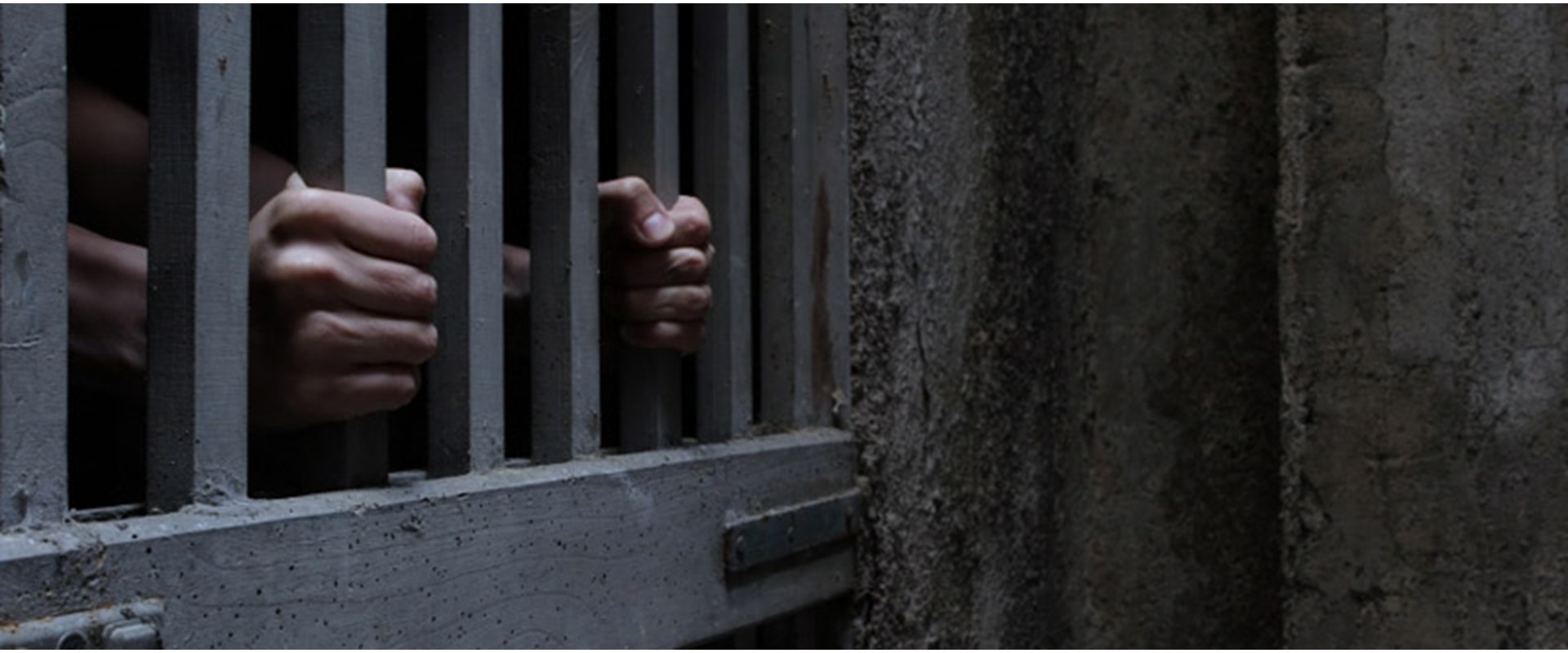
Port Sudan Detainees Trial Delays: Hunger Strike Launched
Summary
- Eighty-three detainees in Port Sudan Central Prison have begun an indefinite hunger strike, protesting years of trial delays and systematic obstruction of justice.
- They face charges under Articles 50 and 51 of the 1991 Criminal Act for alleged collaboration with the Rapid Support Forces, carrying penalties of life imprisonment or death.
- Many detainees have been held for nearly two years, some without court referral, arguing that pre-trial detention has become a prolonged punishment due to a single judge handling all cases and frequent adjournments.
- The detainees' memorandum to Gen Abdelfattah El Burhan details shocking prison conditions, including severe overcrowding, scarce food, and absent medical care.
- Families of detainees, often traveling from distant states, face significant financial and logistical burdens due to repeated hearing adjournments and the overall judicial backlog.
Detainees Launch Hunger Strike Over Protracted Delays
The detainees argue that this prolonged pre-trial detention has subverted established legal standards, transforming what should be an exceptional and temporary measure into an extended, pre-emptive punishment devoid of legal or humanitarian justification.
Eighty-three detainees held at Port Sudan Central Prison in Sudan's Red Sea state have initiated an indefinite hunger strike, commencing at 6:00 AM today. Their protest stems from what they describe as a systematic obstruction of their legal proceedings, leading to years of trial delays and a perceived violation of their constitutional and legal right to a fair and expeditious trial. All 83 cases are currently being overseen by a single judge, contributing significantly to the extensive Red Sea state judicial backlog.
The detainees have conveyed their grievances in a comprehensive memorandum addressed to Sovereignty Council chairman Gen Abdelfattah El Burhan. This document, reportedly seen by Radio Dabanga, details the shocking conditions within the prison and outlines their profound frustration. They face serious charges of collaborating with the Rapid Support Forces (RSF), specifically under Articles 50 and 51 of the 1991 Criminal Act, which pertain to undermining the constitutional order and waging war against the state. Conviction for these offenses carries severe penalties, including life imprisonment or death.
Many of these individuals have endured nearly two full years of detention in Port Sudan prison, with some spending this entire period without even being formally referred to court. The detainees argue that this prolonged pre-trial detention has subverted established legal standards, transforming what should be an exceptional and temporary measure into an extended, pre-emptive punishment devoid of legal or humanitarian justification. They cite repeated adjournments and significant gaps between hearings as primary contributors to their plight, asserting that the situation has become catastrophic due to the overwhelming caseload handled by a single judicial officer.
Systemic Due Process Failures and Legal Context
The charges against the detainees, rooted in the Sudan 1991 Criminal Act Articles 50 and 51, underscore the gravity of their situation, with potential sentences ranging from life imprisonment to capital punishment. However, the core of their protest highlights severe Sudan fair trial rights violations, particularly the lack of timely judicial process. The memorandum specifically points to the deliberate and repeated disruption of court hearings, often attributed to the consistent absence of public prosecution representatives, complainants, and prosecution witnesses.
Despite these persistent absences, no firm measures have been taken against the non-attending parties, effectively turning the judicial process into an endless cycle of unjustified adjournments. This systemic issue, the detainees contend, has kept them unjustly incarcerated, transforming their pre-trial detention into a de facto sentence. The inability to ensure the presence of all necessary parties for court proceedings reflects a broader breakdown in judicial administration, exacerbating the challenges faced by those accused under these stringent laws.
Broader Detention Trends and Human Rights Concerns
Since the outbreak of war on April 15, 2023, the number of individuals detained or convicted on political charges related to alleged RSF collaboration has surged, at one point exceeding 400. While this figure has since decreased to 261 detainees and convicted prisoners, largely due to decisions from the court of appeal, these reductions often followed lengthy delays in proceedings, with lower courts having previously issued death sentences and life imprisonment. This pattern suggests a significant initial overreach in detentions, later partially rectified but not without considerable human cost and judicial inefficiency.
Deplorable Prison Conditions and Family Burden
Beyond the judicial delays, the detainees' memorandum to General El Burhan also painted a grim picture of the Port Sudan Central Prison conditions. They reported a severe deterioration in humanitarian conditions and a worsening sanitary environment. The prison wards are reportedly packed well beyond their intended capacity, leading to extreme overcrowding. Essential services have also declined, with food becoming scarce and medical care entirely absent.
These dire circumstances are compounded during the summer months, when high temperatures and humidity intensify the suffering of those incarcerated. The impact extends beyond the prison walls, deeply affecting the families of the detainees. Many relatives reside outside Red Sea state, necessitating costly and arduous travel for visits and to follow legal proceedings. The financial burden of travel, accommodation, and lawyers' fees, even with the assistance of volunteer lawyers, is immense. One prisoner's sister recounted the struggle to attend hearings due to repeated adjournments, traveling from distant states in the hope of securing an acquittal, highlighting how these procedural failures punish families alongside their imprisoned loved ones.
Practical Implications
This article reveals severe systemic due process violations, including prolonged pre-trial detention and lack of expeditious trials, in Sudan's Red Sea state. Lawyers representing clients in Sudan, especially those accused under the 1991 Criminal Act, should be aware of these documented judicial inefficiencies and human rights concerns, which could inform defense strategies, appeals, or international advocacy efforts. It also highlights practical challenges for legal representation due to logistical hurdles and repeated adjournments.
Source
How does this affect you?
Get an AI analysis of this article grounded in your jurisdictions, practice areas, and any policy documents you've uploaded to Wansom.
Wansom is AI and can make mistakes.