
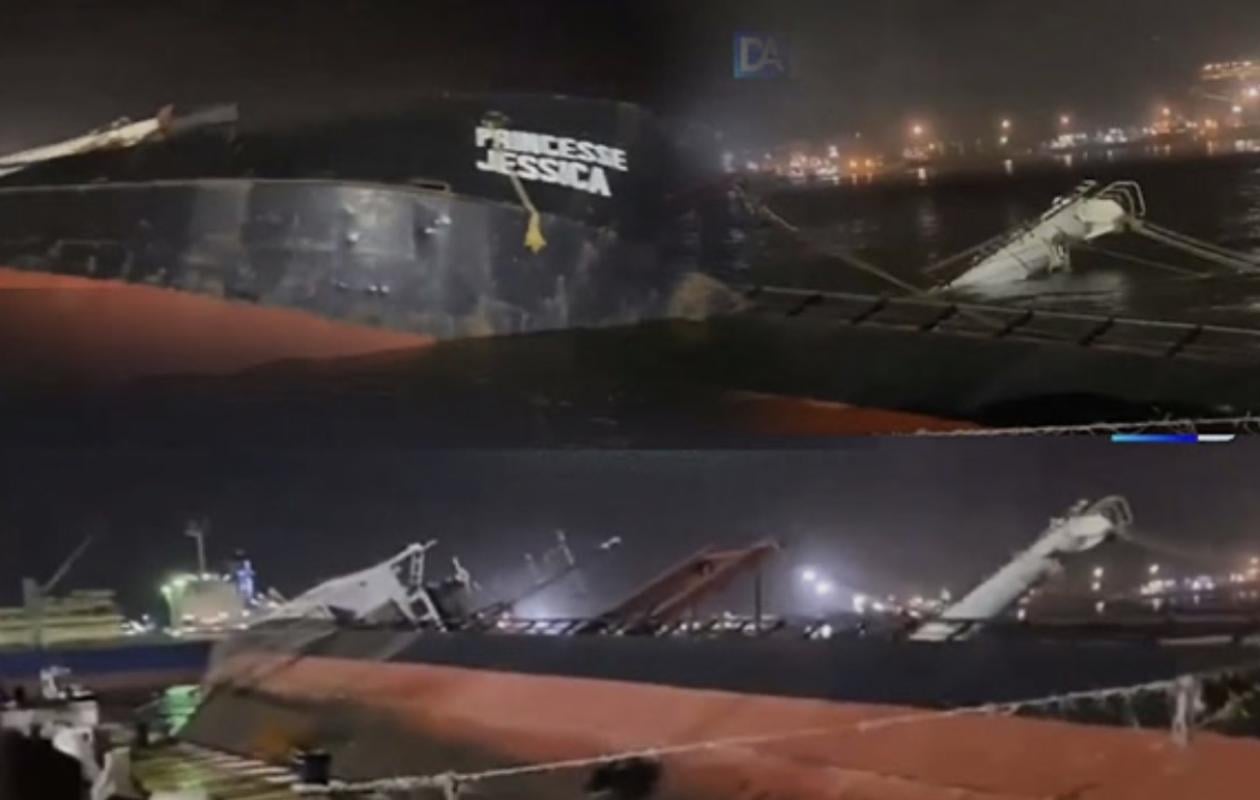
Port Autonome de Dakar: Ship Grounding Prompts Safety Directives
Summary
- Strong winds on the night of September 23-24 caused several anchored vessels to run aground along the Dakar coast.
- Ships were stranded in Bel-Air, Yarakh, and Hann, prompting immediate public safety directives from the Port Autonome de Dakar.
- Port teams are actively inspecting the vessels for damage and to ensure there is no marine pollution risk to the environment.
- Plans for refloating and securing the ships are underway, coordinated with state services, pending favorable weather conditions.
- The incident underscores potential legal and compliance risks for maritime operators regarding environmental liability and salvage costs.
Incident Details and Immediate Response
This incident signals potential legal and compliance risks for maritime operators in Dakar, particularly concerning environmental liability from potential pollution and the substantial costs associated with ship salvage operations Senegal.
A significant Port Autonome de Dakar ship grounding event occurred during the night of September 23 to 24, when powerful winds swept several anchored vessels from their moorings. These strong atmospheric conditions drove the ships towards the coast of Dakar, resulting in multiple Dakar vessel strandings across various locations. Specifically, some of the affected ships ran aground in the areas of Bel-Air, Yarakh, and Hann, marking a notable Senegal maritime incident.
In the immediate aftermath, the Port Autonome de Dakar issued critical directives to local residents. The authority explicitly instructed the public to maintain a safe distance from the stranded vessels, emphasizing the potential dangers involved. Furthermore, residents were urged to strictly adhere to all instructions provided by the on-site authorities, ensuring public safety and facilitating the initial response efforts following the unexpected maritime disruption.
Environmental Safeguards and Recovery Plans
Following the grounding, the Port Autonome de Dakar swiftly initiated comprehensive assessments of the affected ships. Port teams are actively inspecting the condition of each vessel to ascertain any structural damage or immediate hazards. A primary focus of these inspections is to verify the absence of any marine pollution risk in Dakar, ensuring that the incident does not lead to environmental degradation or harm to the delicate marine and coastal ecosystems.
Beyond immediate safety and environmental checks, the Port Autonome de Dakar is coordinating with relevant state administrations and services to plan the subsequent phases of the response. This collaborative effort includes strategizing for the eventual refloating and securing of the stranded vessels. These complex ship salvage operations in Senegal are contingent upon favorable weather conditions, highlighting the logistical challenges involved in recovering the ships safely and efficiently while mitigating further risks.
Ongoing Vigilance and Industry Considerations
The Port Autonome de Dakar maintains continuous monitoring of the situation, with port teams remaining on high alert to respond to any developments. The authority has also committed to providing additional information to the public as the situation evolves, underscoring its commitment to transparency and public awareness during this Senegal maritime incident. This ongoing vigilance is crucial for managing the aftermath of such an unexpected event.
This incident signals potential legal and compliance risks for maritime operators in Dakar, particularly concerning environmental liability from potential pollution and the substantial costs associated with ship salvage operations Senegal. The Port Autonome de Dakar directives and ongoing assessments highlight the critical importance of robust vessel management and emergency preparedness. Lawyers should advise clients to closely monitor the Port Autonome de Dakar's ongoing assessment and directives regarding vessel safety and environmental protection, as the outcomes could influence future regulatory requirements and insurance claims within the region.
Practical Implications
This incident signals potential legal and compliance risks for maritime operators in Dakar, particularly concerning environmental liability from potential pollution and the costs associated with salvage operations. Lawyers should advise clients to monitor the Port Autonome de Dakar's ongoing assessment and directives regarding vessel safety and environmental protection.
Source
Source: Original reporting via Seneweb
How does this affect you?
Get an AI analysis of this article grounded in your jurisdictions, practice areas, and any policy documents you've uploaded to Wansom.
Finish Reading the Full Story and the Expert Analysis.
Get the latest legal & regulatory intelligence in Senegal
Wansom is AI and can make mistakes.