
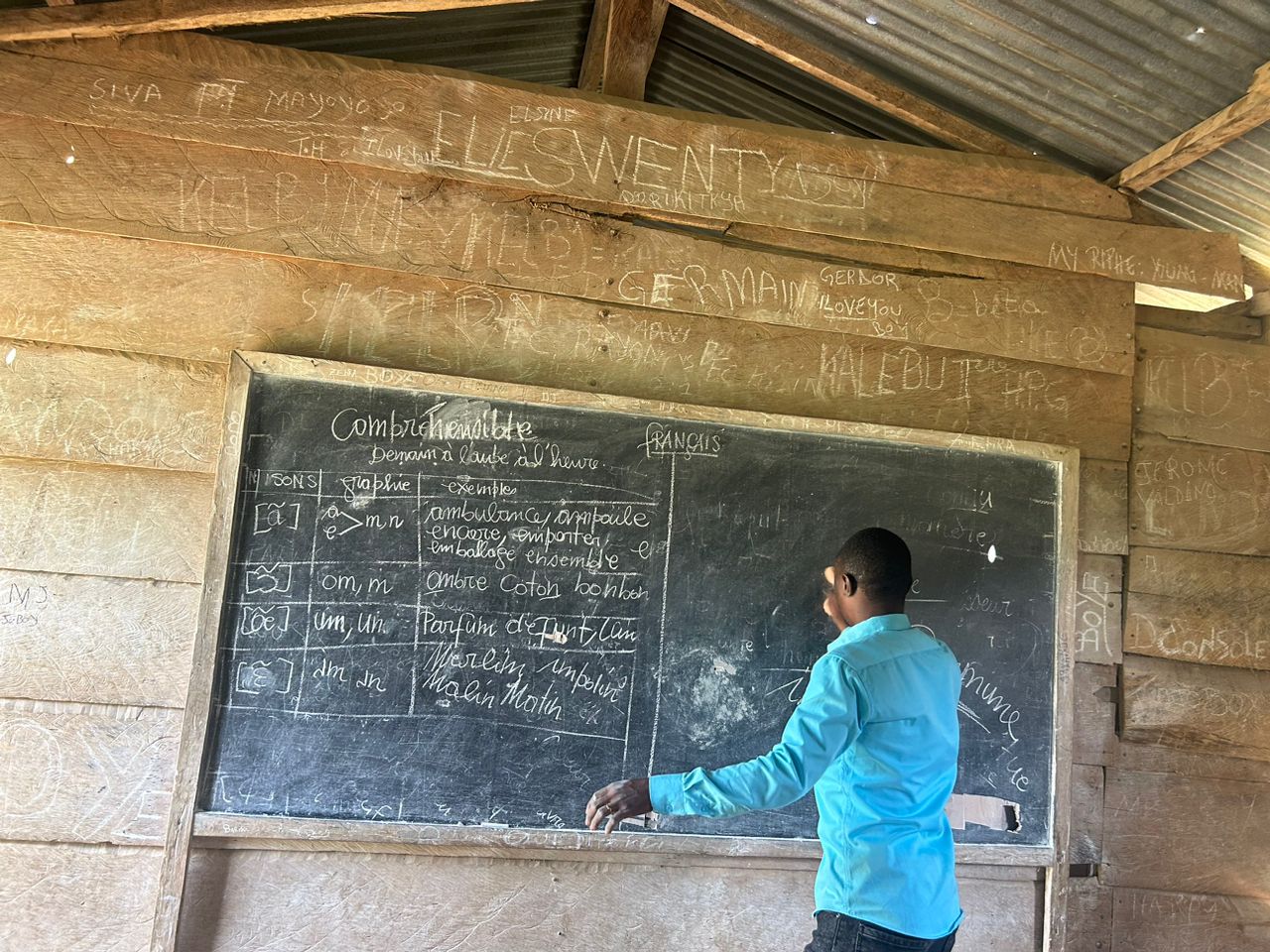
Popokabaka Teachers Dry Strike Kwango Over Unpaid Salaries
Summary
- Teachers in Popokabaka, Kwango province, began a "dry strike" on September 23, 2026, demanding two months of unpaid salaries and a change in their paying agent.
- This action follows a prior 20-day work stoppage and involves keeping school doors closed, despite recent partial salary arrears clearance by authorities.
- The educators are specifically seeking salaries for June and September 2026, citing recurrent payment delays of up to three months.
- They also demand that payments be based on official "listing" documents rather than summary "lisses."
- School activities will remain suspended until the two months of claimed salaries are effectively paid, leaving students without classes.
Escalating Labor Dispute in Kwango
This ongoing 'dry strike' by teachers in Popokabaka due to unpaid salaries signals persistent labor compliance risks within the Democratic Republic of Congo's public sector.
Teachers across the Popokabaka territory, situated within the Kwango province, initiated a "grève sèche" or dry strike on Wednesday, September 23, 2026. This action was primarily launched to demand the payment of outstanding salaries and to insist on a change in the designated paying agent responsible for their remuneration. The current industrial action follows a prior twenty-day work stoppage where educators suspended classroom instruction but continued to report to their workplaces.
During an assembly, the teachers collectively resolved to intensify their protest by keeping school gates closed, effectively preventing any educational activities. This escalation occurs despite recent efforts by authorities to settle two months of outstanding payments. The striking educators are specifically seeking the disbursement of their salaries for June and September 2026, making this a non-negotiable condition for the resumption of teaching duties.
Underlying Grievances and Payment Demands
Beyond the immediate demand for specific salary arrears, the teachers' grievances extend to long-standing issues concerning their remuneration. They have consistently highlighted recurring delays in salary disbursements, which frequently stretch to two or even three months. This pattern of inconsistent payment forms a significant part of the ongoing dispute, contributing to financial instability for the educators.
A crucial aspect of their demands also involves the method by which their salaries are processed. The teachers are advocating for payments to be based on official lists, known as "listing," rather than the summary documents referred to as "lisses." This preference suggests concerns over transparency or accuracy in the current payment system. The educators have made it clear that school activities will only resume once the two months of claimed salaries are effectively paid, indicating a firm stance on their conditions.
Persistent Challenges for Public Sector Employment
This ongoing 'dry strike' by teachers in Popokabaka due to unpaid salaries signals persistent labor compliance risks within the Democratic Republic of Congo's public sector. Such disputes underscore systemic challenges in adhering to wage payment regulations and maintaining operational stability, particularly within essential services like education. The recurrent nature of salary delays, as reported by the striking teachers, points to broader administrative and financial vulnerabilities that can disrupt public services.
For legal professionals advising clients on employment law or public contracts in the region, monitoring these types of conflicts is crucial. The situation in Popokabaka exemplifies how unresolved wage issues can escalate into significant disruptions, impacting not only the workforce but also the beneficiaries of public services. Ensuring strict adherence to labor laws and transparent payment mechanisms is vital to mitigate such risks and foster a stable working environment in the DRC.
Uncertainty for Education in Popokabaka
As the dispute continues without a resolution, the educational landscape in Popokabaka remains severely impacted. Students enrolled in the affected institutions are currently deprived of classes, facing an uncertain academic future while the teachers await a response from the authorities regarding their demands. The educators' decision to maintain school closures underscores the depth of their frustration and their determination to see their conditions met.
The sustained nature of the strike highlights a critical impasse between the teaching staff and the responsible authorities. Until the claimed salaries for June and September 2026 are effectively disbursed, and potentially other systemic issues addressed, the schools in Popokabaka will likely remain closed, prolonging the disruption to thousands of students' learning.
Practical Implications
This ongoing 'dry strike' by teachers in Popokabaka due to unpaid salaries signals persistent labor compliance risks within the DRC's public sector. Lawyers advising clients on employment law or public contracts in the region should monitor such disputes for potential impacts on operational stability and to ensure adherence to wage payment regulations.
Source
How does this affect you?
Get an AI analysis of this article grounded in your jurisdictions, practice areas, and any policy documents you've uploaded to Wansom.
Finish Reading the Full Story and the Expert Analysis.
Get the latest legal & regulatory intelligence in DR Congo
Wansom is AI and can make mistakes.