
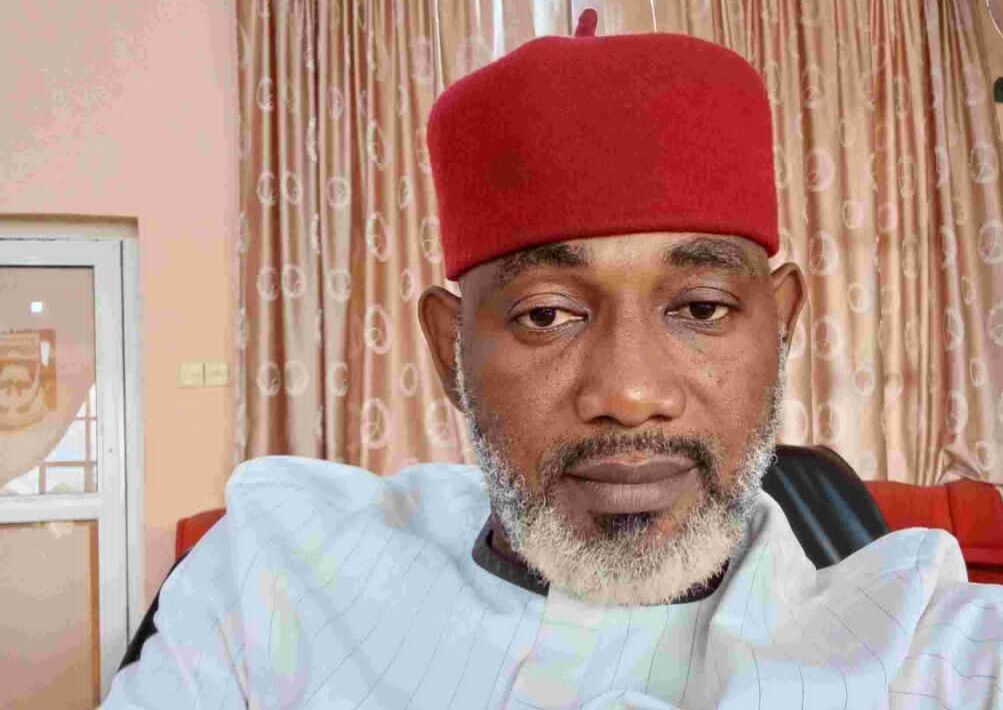
Unilorin Lecturer Arrest: Kogi Social Media Post Triggers Detention
Summary
- A University of Ilorin lecturer was arrested in Ilorin over a social media post concerning a road project in Kogi State.
- The arrest followed a petition linked to the Kogi state security adviser, accusing the lecturer of making 'false claims' in his post.
- The incident highlights increasing legal risks for individuals commenting on government projects and officials via social media in Nigeria.
- The case underscores concerns regarding freedom of expression in Nigeria and the potential for arrests over alleged defamation or false information online.
Unilorin Lecturer Arrested Over Kogi Road Post
This incident underscores the increasing legal risks associated with social media commentary on government projects and officials in Nigeria.
A lecturer at the University of Ilorin was recently taken into police custody in Ilorin following a social media post he published concerning a road infrastructure project in Kogi State. The academic's arrest highlights the growing scrutiny and potential legal ramifications faced by individuals who voice opinions or share information about government initiatives through digital platforms in Nigeria. This incident underscores the increasing legal risks associated with social media commentary on government projects and officials in Nigeria.
The apprehension was triggered by a formal petition, which reportedly originated from an entity connected to the Kogi state security adviser. This petition specifically accused the lecturer of disseminating 'false claims' within his social media dispatch. The content of the post, which focused on a public works project within Kogi State, has thus become the central point of contention, leading to the lecturer's detention.
The involvement of a state security official in initiating the complaint highlights the sensitivity surrounding public discourse on government performance and projects, particularly when perceived as critical or factually inaccurate by authorities. This development serves as a stark reminder of the evolving landscape of digital expression in Nigeria, where commentary on public affairs, even from academic circles, can swiftly lead to direct intervention from state security apparatuses.
Legal Context of Online Commentary in Nigeria
The arrest of the Unilorin lecturer for a social media post about a Kogi road project falls within a broader pattern of Nigeria social media arrest cases, where online commentary, particularly concerning public officials or government projects, can lead to legal action. While the specific statutes invoked in this instance were not detailed, such accusations of 'false claims' often lead to charges related to defamation or cybercrime, which carry significant penalties under Nigerian law. The legal framework surrounding online expression in the country has been a subject of ongoing debate, with concerns frequently raised about its potential to stifle legitimate criticism.
Implications for Freedom of Expression
This incident carries significant implications for freedom of expression in Nigeria, particularly concerning public commentary on government projects and the actions of public officials. The arrest of an academic for a social media post, initiated by a petition linked to a state security adviser, suggests a low tolerance for critical or even perceived 'false' commentary about state affairs. Such actions can create a chilling effect, discouraging citizens from holding their government accountable or sharing information about public works, even when such information is intended to foster transparency.
The accusation of 'false claims' against the lecturer, without immediate public disclosure of the specific content deemed false, places a heavy burden on individuals to ensure absolute factual accuracy in their online statements, especially when discussing sensitive topics like government infrastructure. This environment necessitates that lawyers advise clients on the potential for arrests and charges related to alleged false claims or defamation, and monitor such cases for precedents regarding freedom of expression online. The case highlights the ongoing tension between state authority and individual liberties in the digital age, particularly when it involves public scrutiny of government performance.
Practical Implications
This incident underscores the increasing legal risks associated with social media commentary on government projects and officials in Nigeria. Lawyers should advise clients on the potential for arrests and charges related to alleged false claims or defamation, and monitor such cases for precedents regarding freedom of expression online.
Source
How does this affect you?
Get an AI analysis of this article grounded in your jurisdictions, practice areas, and any policy documents you've uploaded to Wansom.
Finish Reading the Full Story and the Expert Analysis.
Get the latest legal & regulatory intelligence in Nigeria
Wansom is AI and can make mistakes.