
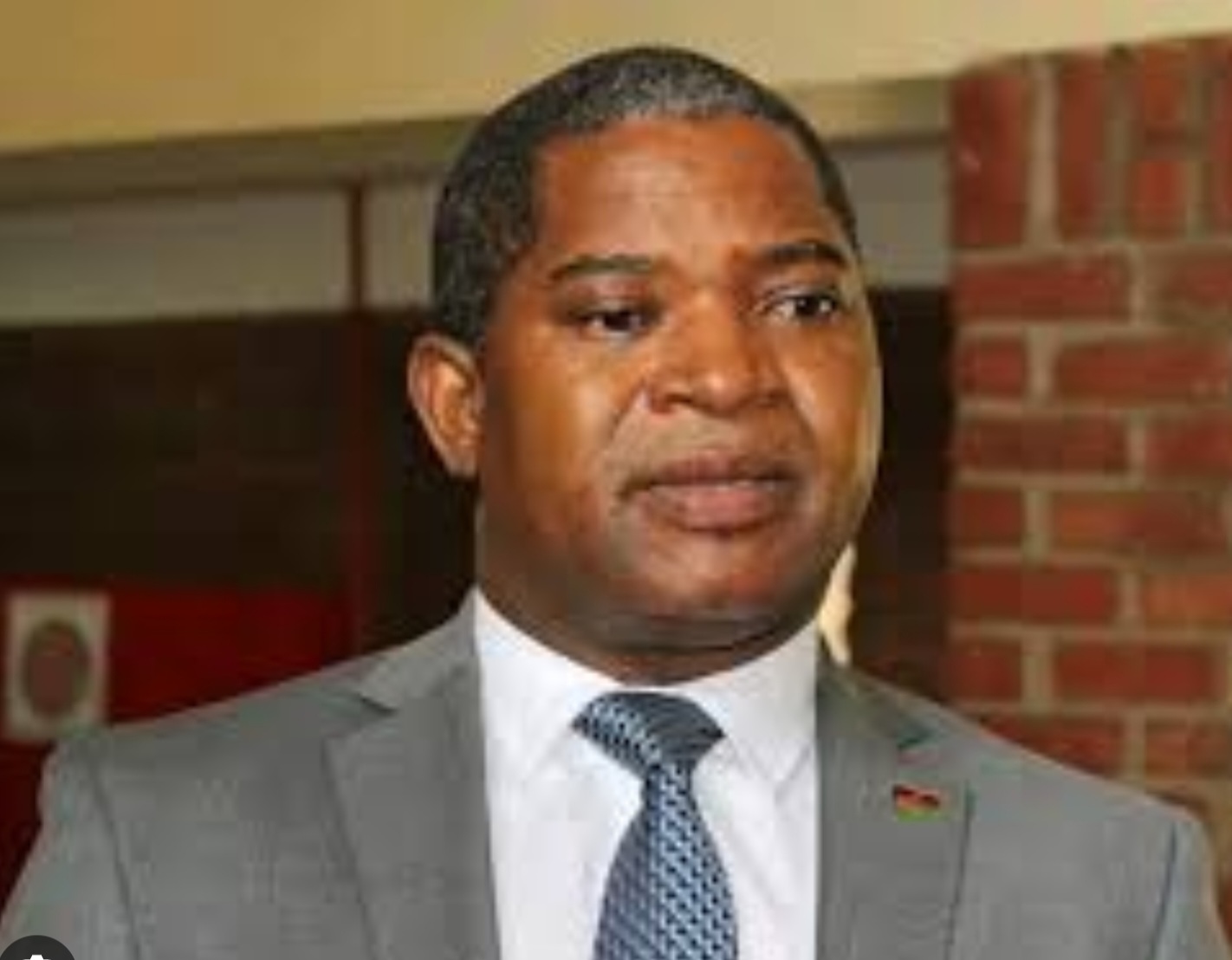
Police and Magalasi Clash Over Amaryllis Charges: Filing Awaits
Summary
- A contradiction has emerged between police and former MERA boss Collins Magalasi regarding his formal charging.
- The dispute centers on whether he has been formally charged in connection with the Amaryllis Hotel scandal.
- National Police spokesperson Gladys Chiwawula stated that Magalasi has not yet been charged.
- Police insist officers are still in the process of preparing formal charges against him.
- The contradiction surfaced just one day after Magalasi's arrest.
What Happened
The distinction between an arrest and the formal laying of charges is a fundamental aspect of criminal procedure.
A significant discrepancy has surfaced concerning the legal standing of Collins Magalasi, the former head of the Malawi Energy Regulatory Authority (MERA), just one day following his apprehension. The core of this divergence revolves around whether formal charges have actually been brought against him in connection with the widely reported Amaryllis Hotel scandal. This unexpected clash in narratives has drawn attention to the procedural aspects of high-profile arrests and subsequent legal actions.
The emergence of this contradiction highlights a critical point in the legal process, where public perception and official statements can diverge. While Magalasi's arrest signaled a major development in the ongoing investigation into the Amaryllis Hotel affair, the subsequent clarification from law enforcement has introduced an element of uncertainty regarding his immediate legal future. The situation underscores the importance of precise communication from authorities in cases that attract considerable public interest.
Conflicting Accounts Emerge
National Police spokesperson Gladys Chiwawula explicitly stated to Nyasatimes that Mr. Magalasi has not yet been formally charged. Her declaration directly addressed the burgeoning confusion, insisting that police officers are still actively engaged in the process of preparing and formalizing these charges. This official statement aims to clarify the procedural stage of the case, indicating that while an arrest has occurred, the subsequent legal steps are still underway.
The police's insistence that charges are still "in the process" suggests that investigations are ongoing, and the formal documentation required to present a case in court is being meticulously compiled. This phase is crucial for ensuring that any eventual charges are robust and legally sound. The spokesperson's comments serve as a direct counterpoint to any assumptions or reports that might have prematurely indicated the filing of formal accusations against the former MERA chief.
Legal Context and Implications
The distinction between an arrest and the formal laying of charges is a fundamental aspect of criminal procedure. An arrest signifies that law enforcement has taken an individual into custody based on suspicion of involvement in a crime, while formal charges represent the official accusation presented to a court, initiating the judicial process. The police statement confirms that Magalasi is currently in the former stage, with the latter yet to be completed.
This procedural detail carries significant legal implications, as an individual cannot be prosecuted until formal charges are officially filed. The ongoing "process" mentioned by the police spokesperson indicates that investigators are likely consolidating evidence, interviewing witnesses, and preparing the necessary legal documents to support their case. Until these steps are finalized, Magalasi's legal status remains that of an arrested individual, not yet an accused facing specific counts in court.
Why It Matters
The public clarification from the National Police spokesperson is crucial for maintaining transparency and public trust in the justice system. In high-profile cases like the Amaryllis Hotel scandal, where public interest is intense, any ambiguity surrounding the legal status of key figures can lead to speculation and misinformation. By explicitly stating that charges have not yet been laid, the police are attempting to manage expectations and provide an accurate account of the ongoing legal proceedings.
This situation also highlights the careful balance authorities must strike between informing the public and adhering to due process. While the arrest of a former high-ranking official like Collins Magalasi is newsworthy, the precise legal steps that follow are equally important. Ensuring that all facts are accurately communicated, particularly regarding formal charges, is vital for upholding the integrity of the legal system and preventing premature judgments.
Source
How does this affect you?
Get an AI analysis of this article grounded in your jurisdictions, practice areas, and any policy documents you've uploaded to Wansom.
Finish Reading the Full Story and the Expert Analysis.
Wansom is AI and can make mistakes.