
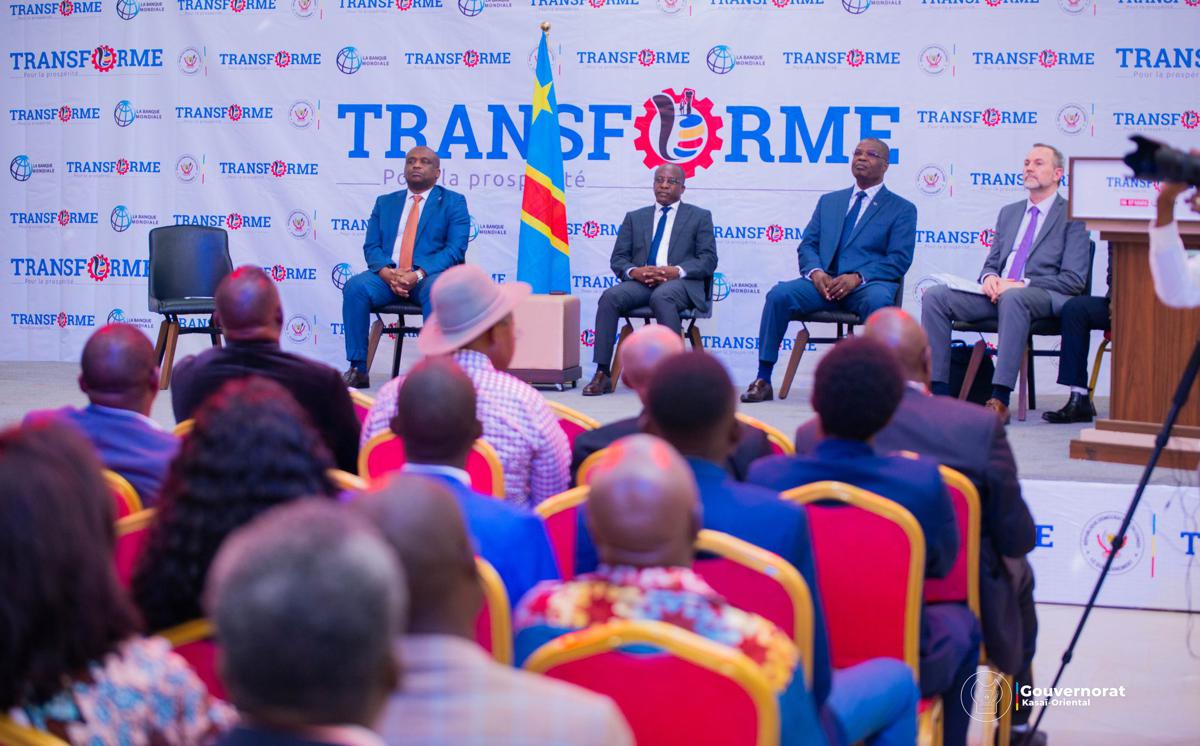
PME Kasaï-Central: TRANSFORME Subventions Irrégularités Contestées
Summary
- PMEs in Kananga allege irregularities in the management of subsidies from the TRANSFORME project, including contested deductions and equipment delays.
- The PME syndicate has demanded explanations and reimbursement for sums they claim were improperly withheld, suspending participation in the next funding tranche.
- Specific allegations include a 16% VAT deduction and an additional 10% retention, alongside claims of excessive pricing from a new supplier, UAC.
- TRANSFORME project officials deny direct fund retention, attributing deductions to suppliers hired by implementing firm Kivu Entrepreneurs without local project knowledge.
- Project management has committed to reviewing the dossier to clarify the situation and ensure the rights of beneficiary PMEs are respected.
Disputed Subsidies Plague TRANSFORME Project
This case serves as a salient reminder of the need for rigorous due diligence on project terms, supplier contracts, and fund disbursement mechanisms to protect client interests against contested deductions and non-performance.
Small and medium-sized enterprises (PMEs) operating in Kananga, within the Kasaï-Central province, have voiced significant concerns regarding the administration of subsidies provided under the TRANSFORME project. These beneficiaries allege a pattern of irregularities in the financial management of these funds, which they contend has hindered their operations. The grievances include financial deductions that the PMEs dispute, considerable delays in receiving essential equipment, and what they perceive as inflated costs for certain goods procured through the project.
The syndicate representing these affected entrepreneurs formally communicated their concerns in a letter addressed to the project coordinator. This correspondence, reviewed by Radio Okapi on Thursday, November 26, 2026, explicitly demands clarification on these practices. Furthermore, the syndicate is seeking the reimbursement of sums they believe were improperly withheld from their allocated subsidies. In a move to pressure for resolution, the syndicate has declared a temporary halt to its participation in the process for disbursing the second installment of the project's funding.
Contested Deductions and Supply Chain Issues
The entrepreneurs' letter details specific financial deductions that have become a point of contention. According to the signatories, an initial 16% of the first subsidy tranche was reportedly withheld, ostensibly for Value Added Tax (VAT). Beyond this, an additional 10% retention was applied, the justification for which the PMEs vigorously contest. These financial impositions, they argue, have directly impacted their operational capacity and financial planning.
Beyond the monetary issues, the PMEs highlight significant delays in the delivery of crucial equipment. These holdups, they assert, are actively impeding the effective launch and progression of their business activities. A further concern revolves around the pricing structure implemented by a new supplier, identified as UAC. The syndicate claims that the prices charged by UAC for goods are substantially higher than prevailing market rates, raising questions about procurement efficiency and value for money within the project framework.
Calls for Transparency Amidst Project Denials
To address these multifaceted issues, the PME beneficiaries have put forth several demands aimed at rectifying the situation and ensuring future transparency. They advocate for the direct disbursement of the second funding tranche into their individual PME accounts. This, they believe, would empower them to independently source the necessary raw materials for their operations, bypassing the current procurement challenges and alleged excessive costs. Moreover, the entrepreneurs have formally requested a meeting with TRANSFORME project officials. The objective of this proposed dialogue is to clarify the concerns raised and to foster greater transparency in the overall management of the project funds, thereby preventing future misunderstandings and ensuring the program's successful execution.
In response to these serious allegations, officials from the TRANSFORME project in Kananga, when contacted by Radio Okapi, have categorically denied any direct retention of funds by their own organizational structure. They clarified that the deductions cited by the PMEs were, in fact, executed by suppliers who had been engaged by Kivu Entrepreneurs, the firm responsible for implementing the project. The project officials further stated that local management was not apprised of these specific deductions. Despite this, they have committed to initiating a thorough review of the matter to fully ascertain the facts and to uphold the rights of the beneficiary PMEs.
Ensuring Accountability in Development Initiatives
This ongoing dispute underscores critical challenges inherent in large-scale development initiatives aimed at bolstering local economies, particularly within the Democratic Republic of Congo. The allegations of irregular financial management, contested deductions, and procurement inefficiencies within the TRANSFORME project highlight the imperative for robust oversight mechanisms and clear contractual agreements. Such issues can severely undermine the intended positive impact of projects designed to support small and medium-sized enterprises, which are vital for economic growth and job creation in regions like Kasaï-Central.
The situation also brings to light the complex interplay between project implementers, local beneficiaries, and third-party suppliers. The project officials' assertion that deductions were made by Kivu Entrepreneurs' suppliers without their knowledge points to potential gaps in communication, oversight, or contractual clarity between various stakeholders. For the successful execution of future development programs and to maintain trust among beneficiaries, it is crucial that all financial flows are transparent, deductions are clearly justified, and procurement processes are competitive and fair. This case serves as a salient reminder of the need for rigorous due diligence on project terms, supplier contracts, and fund disbursement mechanisms to protect client interests against contested deductions and non-performance.
Practical Implications
Lawyers advising SMEs in the DRC should be aware of the potential for contractual disputes and financial mismanagement allegations within public development projects. This case highlights the need for rigorous due diligence on project terms, supplier contracts, and fund disbursement mechanisms to protect client interests against contested deductions and non-performance.
Source
How does this affect you?
Get an AI analysis of this article grounded in your jurisdictions, practice areas, and any policy documents you've uploaded to Wansom.
Finish Reading the Full Story and the Expert Analysis.
Get the latest legal & regulatory intelligence in DR Congo
Wansom is AI and can make mistakes.