
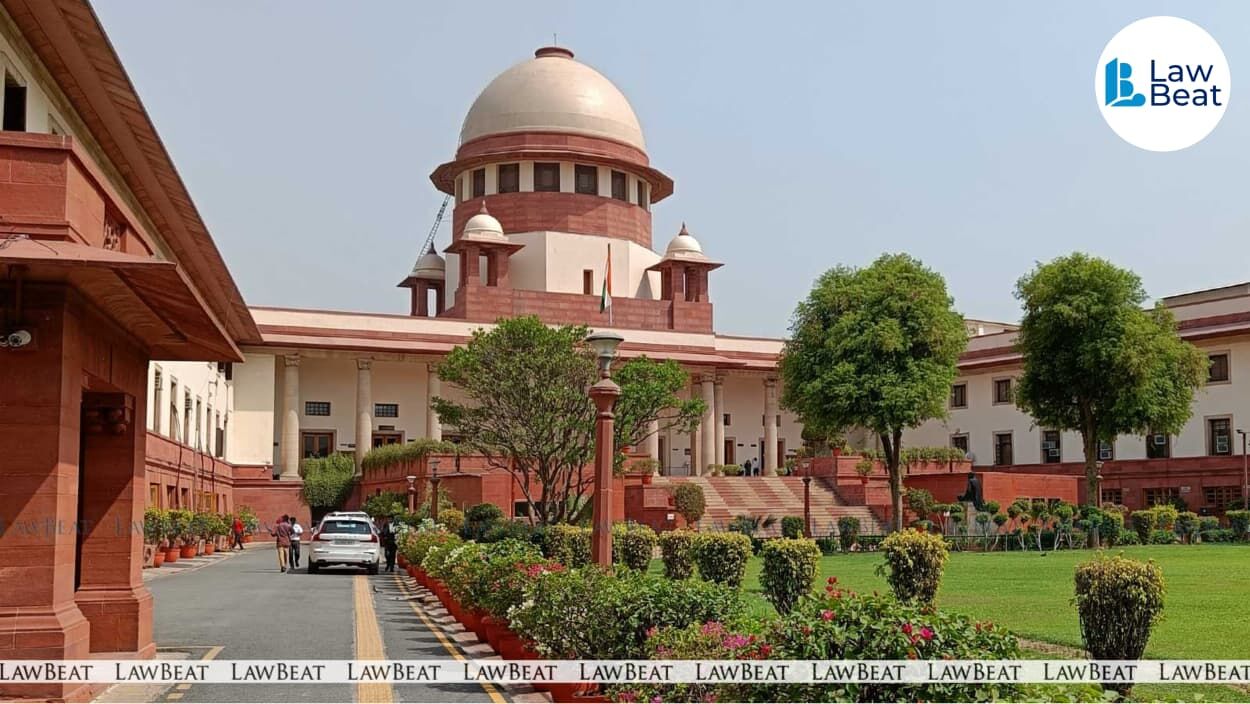
Supreme Court: Plea to Reconstitute NEET Violence Committee Draws SG Opposition
Summary
- A plea has been moved before the Supreme Court to reconstitute the High Powered Enquiry Committee (HPEC) investigating violence during NEET paper leak protests.
- Senior Advocate Gopal Sankaranarayanan mentioned the application, which seeks to alter the HPEC's composition and calls for action against a minister.
- Solicitor General Tushar Mehta strongly opposed the plea, labeling it a "mischievous application" attempting to change the court-appointed panel.
- The HPEC, formed last week and led by Justice (Retd.) R. Subhash Reddy, includes five members with backgrounds in judiciary and law enforcement.
- The committee's broad mandate covers issues such as police excessive force, protestor surveillance, gender-based violence, and the regulation of prohibitory orders.
Challenge to Inquiry Committee's Composition
The application seeks to alter the composition of the court-appointed panel, suggesting specific judicial nominees and calling for action against a minister, which the Solicitor General vehemently opposed as a 'mischievous' attempt to undermine the inquiry.
A significant legal development has emerged before the Supreme Court concerning the High Powered Enquiry Committee (HPEC) tasked with investigating alleged violence during protests related to the NEET paper leak. An application has been filed seeking to reconstitute this committee, which was recently established by the apex court to conduct an independent and impartial investigation into the incidents.
Senior Advocate Gopal Sankaranarayanan brought the application to the attention of a bench led by Chief Justice of India Surya Kant. The Supreme Court, in a bench led by Chief Justice of India Surya Kant, has already issued directions to the High Powered Enquiry Committee (HPEC) to prioritize certain aspects of its investigation, specifically complaints of sexual assault against women protesters. However, the move faced strong opposition from Solicitor General Tushar Mehta, who characterized the application as "mischievous." Mehta informed the bench that the applicants aim to alter the composition of the court-formed committee, suggesting specific judicial nominees for the HPEC and calling for action against a particular minister.
The plea to reconstitute the NEET violence committee underscores a contentious dispute over the impartiality and scope of the ongoing NEET paper leak protest investigation. While the broader application to reconstitute the NEET violence committee is still expected to be heard concurrently with the main matter, the Supreme Court has already issued directions to the HPEC regarding its investigative priorities, setting the stage for further legal arguments regarding the inquiry's structure and oversight.
The Established High-Powered Panel
The High Powered Enquiry Committee (HPEC) was constituted by the Supreme Court just last week, following a batch of petitions addressing protests at Jantar Mantar and other locations across the country that arose from alleged leaks of NEET and other examination papers. This Supreme Court NEET protest committee was formed with the explicit goal of conducting a thorough and impartial investigation into the reported acts of violence.
The HPEC is chaired by Justice (Retd.) R. Subhash Reddy, a former judge of the Supreme Court of India. The other distinguished members of the panel include Justice Ravi Shankar Jha, who previously served as Chief Justice of the Punjab and Haryana High Court; Mrs. Justice Shalinder Kaur, a former judge of the Delhi High Court; Rishi Kumar Shukla, the former Director of the Central Bureau of Investigation; and Dr. L.R. Bishnoi, a retired Director General of Police from Meghalaya. This diverse composition brings together significant judicial and law enforcement expertise to the inquiry.
Broad Mandate for Investigation
The High Powered Enquiry Committee has been given an extensive mandate, encompassing eight critical areas for investigation into the NEET paper leak protest investigation. These include scrutinizing the alleged use of excessive force and violence by police authorities and other agencies against protestors, specifically examining the deployment of pellet guns, electric batons, lathi charges, and tear gas without adequate warning or proportionality, which reportedly resulted in severe bodily harm and lasting injuries.
Furthermore, the HPEC is tasked with evaluating the necessity of ensuring a proportionate and measured police response during public gatherings to balance public order with the constitutional right to peaceful dissent. It will also consider the desirability of banning metallic kinetic projectiles or pellets, given the grave and often irreversible harm they cause. The committee will investigate the need for police and security personnel to wear proper uniforms and visible nameplates during arrests or crowd control to ensure accountability and officer identification. Allegations of police monitoring and surveillance of protestors will also be examined to determine their consistency with constitutional rights to privacy and free assembly.
The mandate extends to inquiring into alleged incidents of targeted violence, harassment, molestation, or any secondary victimization directed against female protestors, recognizing the gravity and sensitivity of these claims. The HPEC will also assess the provision and adequacy of medical and other requisite support, including compensation, for victims of alleged police abuse. Finally, the committee is directed to regulate the issuance of blanket prohibitory orders under Section 163 of the Bharatiya Nagarik Suraksha Sanhita, 2023, to prevent their routine or pre-emptive use that curtails the right to peaceful assembly, ensuring they are only employed as a proportionate response to genuine, imminent threats.
Legal Scrutiny and Future Directions
The High Powered Enquiry Committee reconstitution plea introduces a layer of complexity to an already sensitive investigation. The Solicitor General's strong objection highlights the potential for this application to be perceived as an attempt to influence or undermine the independence of the judicial process. The request to alter the committee's composition and suggest specific individuals for appointment, alongside calls for action against a minister, points to deeper political and legal tensions surrounding the handling of the NEET protests.
As the Supreme Court prepares to hear this application alongside the primary matter, the outcome will be closely watched. The court's decision on the plea to reconstitute the NEET violence committee could significantly impact the perceived impartiality and effectiveness of the HPEC's findings, ultimately shaping future guidelines for protest management and police accountability in India.
Practical Implications
The ongoing dispute over the composition of the Supreme Court's High Powered Enquiry Committee (HPEC) investigating NEET protest violence indicates potential shifts in the scope and impartiality of the inquiry. Lawyers advising clients on protest rights, police accountability, or public order issues should monitor this development, as the HPEC's final recommendations could establish new precedents for police conduct and the regulation of protests in India.
Source
How does this affect you?
Get an AI analysis of this article grounded in your jurisdictions, practice areas, and any policy documents you've uploaded to Wansom.
Wansom is AI and can make mistakes.