
Pierre Emmanuel Binyam: Retrait Candidature MRC Cameroun Amid Irregularity Claims
Summary
- Pierre Emmanuel Binyam has withdrawn his candidacy for the presidency of the Mouvement pour la renaissance du Cameroun (MRC).
- His decision was prompted by alleged irregularities within the party's electoral process, particularly concerning the voter list.
- Following Binyam's withdrawal, Tiriane Balbine Noah is now one of the contenders for the MRC's top leadership position, alongside Ronnic Bris Djolako.
- Lawyer Me Hyppolite Meli expressed admiration for Binyam's principled decision, despite prior resource mobilization and favorable polling data.
- The MRC has faced a challenging period, marked by protests after the 2018 presidential election and boycotts of subsequent national and regional polls in 2020.
Pierre Emmanuel Binyam Withdraws from MRC Leadership Race
Me Meli highlighted the unusual nature of such a withdrawal, particularly given that Binyam had already committed to the competition, mobilized significant logistical support, and reportedly had favorable polling data suggesting a potential victory.
The political landscape within Cameroon's Mouvement pour la renaissance du Cameroun (MRC) has seen a significant development with the Pierre Emmanuel Binyam retrait candidature MRC Cameroun. Mr. Binyam, a contender for the party's top leadership position, officially withdrew from the internal electoral process. This decision leaves Tiriane Balbine Noah as one of the remaining candidates in the race for the MRC presidency, alongside Ronnic Bris Djolako.
Mr. Binyam's retrait candidature MRC was not made without cause. He publicly cited serious concerns regarding the integrity of the internal electoral process, specifically pointing to alleged irrégularités processus électoral MRC related to the party's electoral roll. His withdrawal underscores potential vulnerabilities in the procedural fairness of internal party elections, a critical aspect of droit électoral partis politiques Cameroun.
Challenges Facing the Mouvement pour la renaissance du Cameroun
This internal leadership contest unfolds against a backdrop of a challenging period for the MRC. The party, which achieved a notable second-place finish in the 2018 presidential election, subsequently faced significant hurdles. These included widespread protests following the results of that national poll, which led to a period of political tension.
Further complicating its trajectory, the MRC opted to boycott key national elections. This included both the legislative and municipal elections held on February 9, 2020, as well as the regional elections that took place in December of the same year. These strategic decisions, while reflecting the party's stance on the broader political environment, have contributed to its current difficult phase, making the outcome of the Mouvement pour la renaissance du Cameroun élection for its leadership particularly crucial for its future direction.
Legal Expert Weighs in on Binyam's Decision
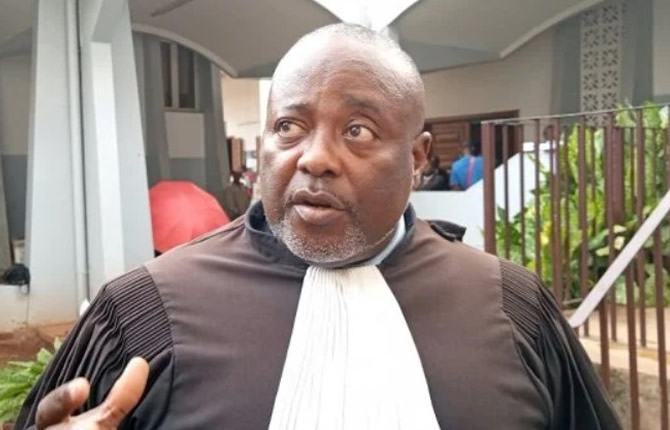
The Binyam MRC élection interne withdrawal has drawn commentary from prominent legal figures, including Me Hyppolite Meli Tiakouang. A respected lawyer and former president of the General Assembly of the Cameroon Bar, Me Hyppolite Meli MRC expressed profound respect and admiration for Pierre Emmanuel Binyam's decision. Meli, known for his staunch defense of MRC activists, views Binyam as a pivotal figure destined to shape the future of the party.
Me Meli highlighted the unusual nature of such a withdrawal, particularly given that Binyam had already committed to the competition, mobilized significant logistical support, and reportedly had favorable polling data suggesting a potential victory. He remarked on the rarity of individuals who choose to step aside at such a critical juncture, emphasizing the principled stand taken by Binyam in light of the alleged irrégularités processus électoral MRC. This situation underscores the importance of transparent and verifiable internal electoral procedures for maintaining party legitimacy and avoiding disputes that can undermine public trust.
Practical Implications
This development highlights potential legal challenges and disputes that can arise from alleged irregularities in internal party electoral processes, particularly concerning the electoral roll. Lawyers advising political parties or candidates should be aware of such issues and the importance of robust internal electoral procedures to prevent withdrawals and maintain legitimacy, especially in the run-up to future elections like 2026.
Source
How does this affect you?
Get an AI analysis of this article grounded in your jurisdictions, practice areas, and any policy documents you've uploaded to Wansom.
Finish Reading the Full Story and the Expert Analysis.
Get the latest legal & regulatory intelligence in Cameroon
Wansom is AI and can make mistakes.