
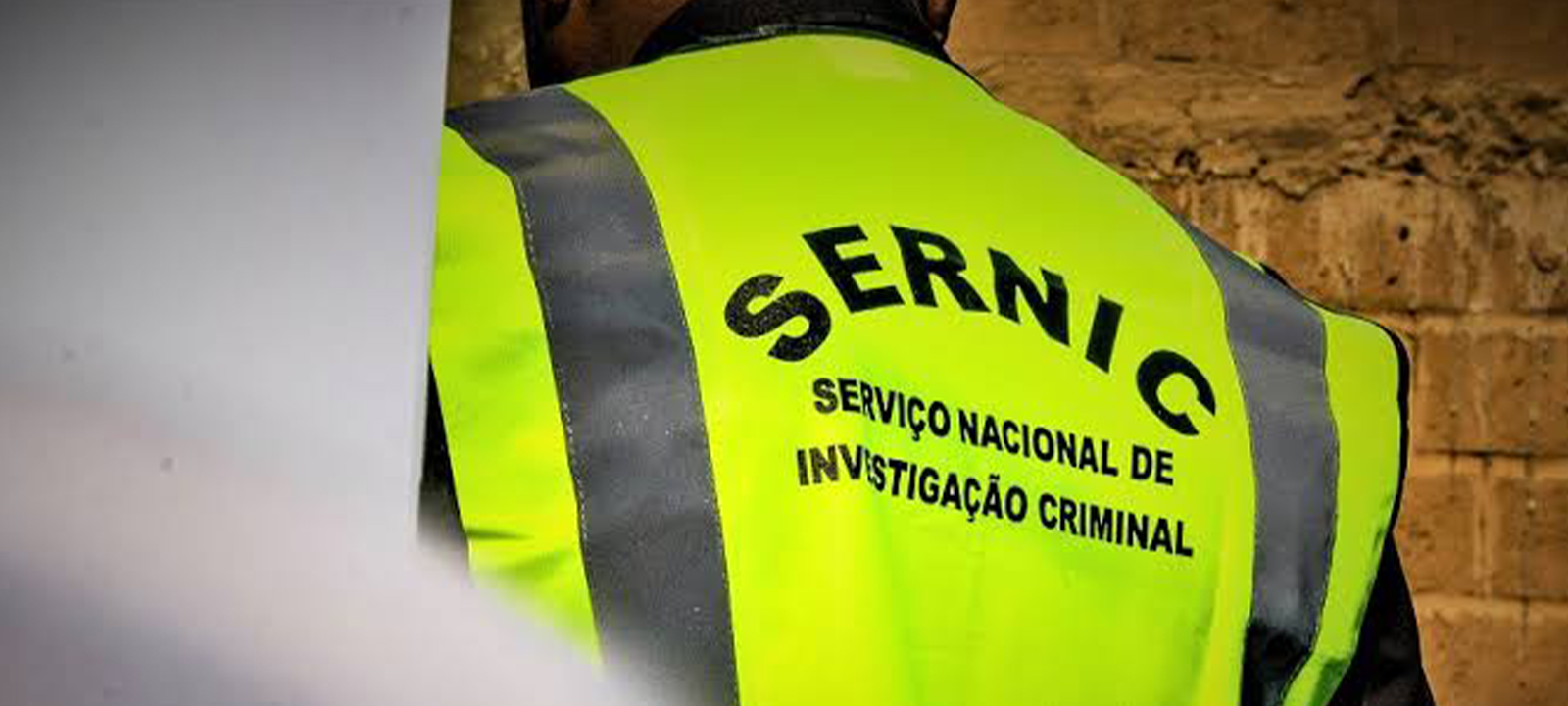
PGR Mozambique: SERNIC Anti-Corruption Measures Intensified
Summary
- Mozambique's Procurador-Geral da República has demanded stronger internal controls and accountability within SERNIC.
- The Attorney General called for a comprehensive internal cleansing and intensified anti-corruption efforts at the National Criminal Investigation Service.
- The directive, issued in Maputo, warned that the misuse of SERNIC resources would not be tolerated.
- This initiative aims to hold SERNIC members involved in illicit practices responsible and reinforce integrity in criminal investigations.
Call for Internal Reform
The PGR explicitly called for greater accountability among SERNIC members found to be involved in illicit practices.
The Procurador-Geral da República (PGR) has issued a strong directive for the Serviço Nacional de Investigação Criminal (SERNIC) to intensify its efforts against corruption and undertake a comprehensive internal cleansing. Speaking in Maputo this past Wednesday during the opening of SERNIC's Coordinating Council, the Attorney General emphasized the critical need for robust internal control mechanisms within the institution. This declaration underscores a significant push for enhanced integrity within Mozambique's primary criminal investigation body.
The PGR explicitly called for greater accountability among SERNIC members found to be involved in illicit practices. This stern warning highlighted that the misuse of institutional resources would not be tolerated under any circumstances. The focus on strengthening internal oversight and ensuring that all personnel adhere to ethical standards is central to the broader strategy for combating corruption within the nation's law enforcement apparatus.
Strengthening Oversight and Accountability
The Attorney General's pronouncements signal a heightened focus on SERNIC accountability for illicit practices, aiming to restore public trust and operational effectiveness. The demand for reinforced internal control mechanisms is designed to prevent and detect corruption from within, ensuring that the National Criminal Investigation Service operates with the utmost integrity. This initiative is a direct response to concerns regarding potential misconduct by individuals within the service.
By advocating for the responsabilization of those engaged in illicit activities, the PGR is setting a clear precedent that internal malfeasance will face severe consequences. This move is crucial for the credibility of Mozambique's criminal investigation efforts, as it directly addresses potential vulnerabilities that could undermine justice. The emphasis on PGR SERNIC control mechanisms is a foundational step towards a more transparent and effective law enforcement agency.
Impact on Criminal Investigations
This directive from the Procurador-Geral da República SERNIC is expected to have a profound impact on the conduct of criminal investigations across Mozambique. Lawyers and compliance officers should anticipate increased scrutiny and potential internal reforms within SERNIC, which may directly affect how cases are handled and evidence is processed. A heightened focus on accountability within law enforcement could lead to changes in established procedures and a more rigorous approach to internal audits.
The push for SERNIC internal cleansing and the combat against Mozambique criminal investigation corruption suggests that the integrity of evidence and the conduct of investigators will be under closer examination. This could necessitate adjustments in legal strategies, particularly concerning the reliability of investigative findings and the ethical conduct of law enforcement personnel. The overall aim is to foster an environment where criminal investigations are conducted without compromise or undue influence.
Broader Significance for Justice
The PGR's insistence on robust PGR SERNIC anti-corruption measures Mozambique carries significant weight for the country's justice system. It reflects a commitment at the highest levels to address corruption not just externally, but also within the very institutions tasked with upholding the law. This proactive stance is vital for reinforcing the rule of law and ensuring that justice is administered fairly and impartially.
For legal professionals and the public alike, this initiative signals a potential shift towards greater transparency and integrity within the National Criminal Investigation Service. The call for internal reform and accountability is a critical step in strengthening the foundations of criminal justice in Mozambique, ultimately contributing to a more trustworthy and effective legal framework for all citizens.
Practical Implications
Lawyers and compliance officers in Mozambique should anticipate increased scrutiny and potential internal reforms within SERNIC, which may affect criminal investigations and compliance matters. This signals a heightened focus on accountability within law enforcement, potentially impacting case strategies and the handling of evidence.
Source
How does this affect you?
Get an AI analysis of this article grounded in your jurisdictions, practice areas, and any policy documents you've uploaded to Wansom.
Finish Reading the Full Story and the Expert Analysis.
Get the latest legal & regulatory intelligence in Mozambique
Wansom is AI and can make mistakes.