
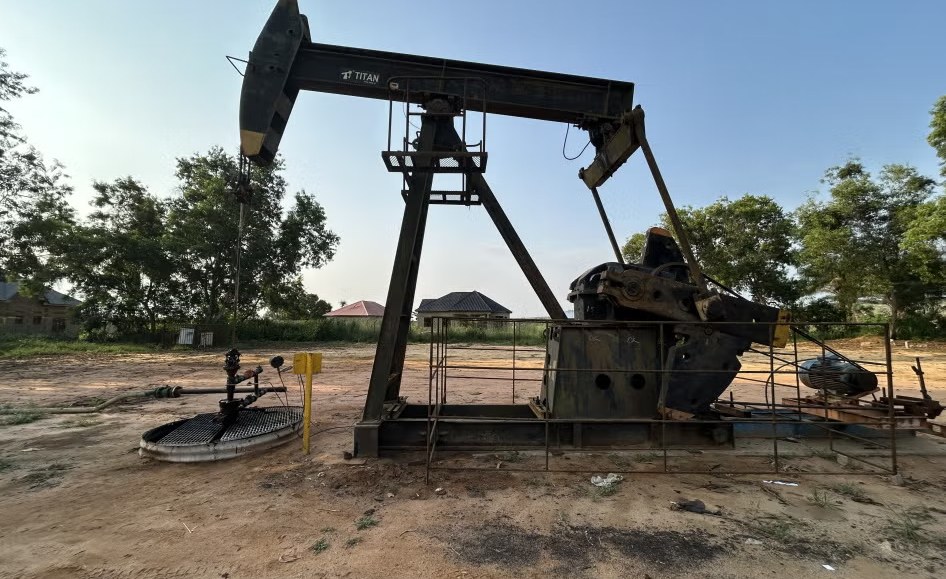
Kinshasa Court: Perenco Gas Flaring in CD Poses Health Risks
Summary
- Perenco's gas flaring activities have created health risks for local residents in the Democratic Republic of Congo.
- The Congolese government has released preliminary findings from an environmental audit commissioned to investigate pollution linked to Perenco's operations, with the full report expected by the end of September.
- Independent studies have documented serious environmental contamination associated with oil operations in the area, exposing residents to toxic pollutants.
- The Congolese government's actions regarding the audit reflect its commitment to upholding international human rights obligations.
Environmental Audit's Silence Raises Concerns
The silence surrounding the audit's progress has only added to concerns about the government's willingness to prioritize human rights over economic interests.
The Congolese government has been criticized for its handling of an environmental audit commissioned in December 2024 to investigate pollution linked to Perenco's operations. The audit, which aimed to assess the impact of oil production on the environment and human health, has released preliminary findings identifying pollution linked to Perenco's operations and is expected to be completed and published by the end of September. This increased transparency, following initial concerns, addresses some of the issues raised by local residents and experts regarding the government's measures to address pollution risks associated with Perenco's activities.
The initial silence surrounding the audit's progress had been met with frustration by those living near the oil storage and processing sites, where gas flaring has become a persistent problem. The controlled burning of natural gas released during oil production has contributed to poor air quality in these areas, creating health risks for local residents. In one location, flaring occurred less than 80 meters from housing, exposing residents to noxious fumes.
The environmental audit's progress, now with preliminary findings and a timeline for completion, is a significant development for the local community and addresses questions about the government's commitment to upholding its international human rights obligations. The Congolese government has ratified the International Covenant on Economic, Social and Cultural Rights, which guarantees the right to 'the highest attainable standard of physical and mental health.'
Gas Flaring and Pollution: A Growing Concern
Perenco's gas flaring activities have been linked to poor air quality in areas surrounding its oil storage and processing sites. The controlled burning of natural gas released during oil production has created a hazardous environment for local residents, who are exposed to toxic fumes and pollutants. In one location, residents with respiratory illnesses reported that they believed the air pollution from these operations was responsible for their health issues.
The problem of gas flaring is not limited to the immediate vicinity of Perenco's operations. Independent studies conducted in 2013 and 2025 documented serious environmental contamination associated with oil operations in the area, exposing residents to gases, heavy metals, hydrocarbons, and other compounds well-documented to be toxic and harmful to human health.
The consequences of gas flaring are not only environmental but also have significant implications for public health. A villager in the Perenco concession area noted that 'oil goes into the rivers where we swim,' highlighting the interconnectedness of environmental pollution and human health risks.
International Human Rights Obligations
The Congolese government's efforts to address the pollution risks associated with Perenco's operations, as evidenced by the audit's progress, reflect its commitment to upholding international human rights obligations. The right to health, enshrined in the International Covenant on Economic, Social and Cultural Rights, obliges governments to ensure 'the prevention and reduction of the population's exposure to ... harmful chemicals or other detrimental environmental conditions that directly or indirectly impact upon human health.'
The United Nations Committee on Economic, Social and Cultural Rights has emphasized that this requires governments to take measures to prevent pollution by third parties, such as mining companies. In the context of Perenco's operations in the Democratic Republic of Congo, this means that the government must take concrete steps to address the environmental and health risks associated with gas flaring and other forms of pollution.
The release of preliminary findings and the expected publication of the full environmental audit by the end of September indicate a move towards prioritizing human rights alongside economic interests. As one local resident noted, 'When gas is flared at the tank farm, our eyes burn and we experience headaches and dizziness.'
Practical Implications
Lawyers and compliance officers should be aware that the Congolese government's failure to publish interim findings of an environmental audit of Perenco's operations may expose them to liability under international human rights law, particularly with regards to the right to health.
Source
How does this affect your business?
Get an AI analysis of this article grounded in your jurisdictions, practice areas, and any policy documents you've uploaded to Wansom.
Wansom is AI and can make mistakes.