
PAYE, VAT and Corporate Taxes in Focus as Treasury Prepares 2027 Reforms
What Happened
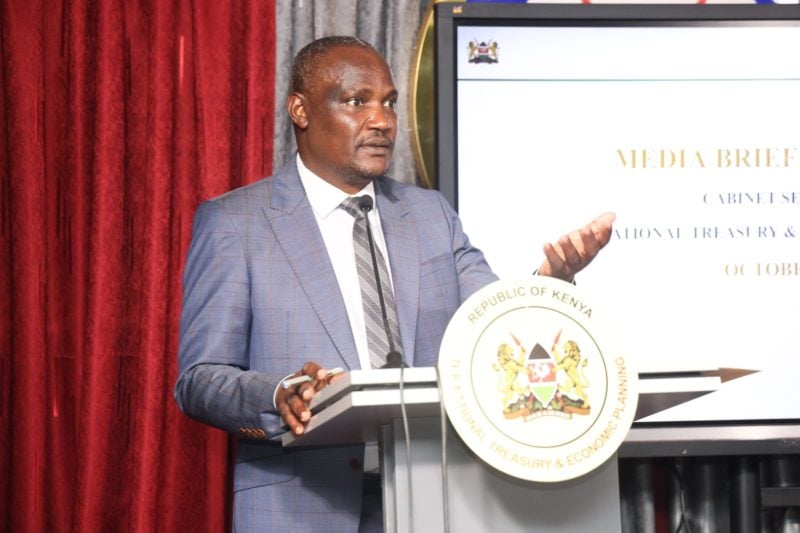
NAIROBI, Kenya Nov 24 The National Treasury is seeking to broaden Kenyas tax base and improve compliance as it prepares the second Medium-Term Revenue Strategy (MTRS) ahead of the 2027/28 financial year. Treasury Cabinet Secretary John Mbadi says the strategy will build on lessons from the current revenue framework, with emphasis on bringing more taxpayers into the tax system and reducing excessive reliance on individuals and businesses already operating within the formal economy. Mbadi said improving tax administration and addressing compliance gaps would be critical to strengthening domestic revenue mobilisation without imposing additional pressure on existing taxpayers. Speaking during a stakeholder workshop organised by the Government of Kenya and the African Economic Research Consortium in Nairobi, he said the Government must pursue revenue measures that support economic growth and protect household purchasing power. He argued that businesses require sufficient capital to expand operations, employ more people and invest in productive activities, while households need disposable income to support consumption and savings. The second MTRS will be informed by 14 research papers presented during the workshop, covering different aspects of the countrys tax system. The studies examine personal income tax, petroleum excise, corporate taxation, Value Added Tax (VAT), electronic invoicing through eTIMS, informal payments, cross-border trade and the Financial Inclusion Fund. A key area of focus is the distribution of personal income tax across different income groups, including the impact of existing exemptions and reliefs. The research will also examine tax incidence and income inequality to establish whether the current tax framework places obligations on taxpayers according to their actual ability to pay. Mbadi said the Government must also address public concerns over how collected taxes are utilised, insisting that revenue mobilisation should go hand in hand with accountability in public expenditure. Taxpayers are entitled to ask what they receive for their contribution, he said. He directed technical teams to consolidate the workshop recommendations into a policy review matrix outlining the supporting evidence, additional analysis required and institutional responsibilities. The matrix will identify proposals requiring legislative changes and those that can be implemented through improvements in tax administration. The Treasury is expected to use the findings to shape the Finance Bill, 2027, and the second MTRS.
Source
How does this affect you?
Get an AI analysis of this article grounded in your jurisdictions, practice areas, and any policy documents you've uploaded to Wansom.
Finish Reading the Full Story and the Expert Analysis.
Get the latest legal & regulatory intelligence in Kenya
Wansom is AI and can make mistakes.