
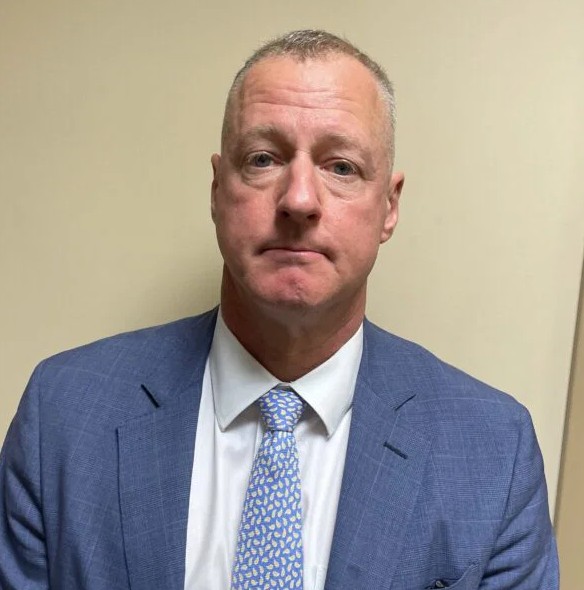
Paul Robinson Pittsburgh Lawyer: Penn State Cocaine Ring Charges
Summary
- Pittsburgh attorney Paul Robinson was charged with helping to hide evidence related to an alleged multistate cocaine trafficking ring.
- The alleged drug operation was run by his son, Thomas Robinson, and other students at Penn State's Sigma Chi and Delta Upsilon fraternities.
- A total of 14 individuals were charged, with Thomas Robinson and Agostino Abbatiello identified as alleged ringleaders.
- Prosecutors claim the fraternity houses were used for cutting and packaging cocaine kilos between 2023 and 2024.
- Paul Robinson's law firm stated the allegations concern him individually and do not involve the firm or its clients.
Prominent Attorney Faces Charges in Drug Ring Investigation
This case serves as a stark reminder of the severe professional and ethical consequences for attorneys involved in criminal activities, even indirectly through family members, and the reputational risks such incidents pose to legal practices.
A prominent Pittsburgh attorney, Paul Robinson, has been formally charged in connection with an alleged multistate cocaine trafficking operation centered around Pennsylvania State University fraternities. Mr. Robinson, a lawyer with the firm Meyer, Darragh, Buckler, Bebenek & Eck, stands accused of helping to conceal evidence related to the illicit activities. The charges against the Pittsburgh attorney Paul Robinson cocaine ring were detailed in an August 17 news release issued by the Pennsylvania attorney general’s office.
The alleged drug ring reportedly involved Mr. Robinson's son, Thomas Robinson, along with other current and former students from Penn State. The operation is said to have utilized the Sigma Chi and Delta Upsilon fraternity houses on campus. This development places a spotlight on the intersection of family ties and alleged criminal conduct, particularly when a legal professional is involved in charges of criminal aiding evidence concealment.
Details of the Alleged Trafficking Operation
The investigation has led to charges against a total of 14 individuals. Prosecutors have identified Thomas Robinson and Agostino Abbatiello as the alleged ringleaders of the extensive drug trafficking enterprise. The majority of those charged, specifically 13 individuals, were Penn State students either at the time of the alleged conduct or shortly thereafter, spanning the years 2023 and 2024.
According to the Pennsylvania attorney general’s office, the Delta Upsilon and Sigma Chi fraternity houses at Penn State were allegedly used as sites for cutting and packaging cocaine, sometimes in quantities of kilos. Pennsylvania Attorney General Dave Sunday characterized the operation as a "coordinated and highly profitable drug trafficking crew" that revolved around senior fraternity members, other brothers, and pledges. Sunday further noted that, based on uncovered evidence, the act of cutting and packaging cocaine served as an "indoctrination" for some pledges entering the fraternities.
Firm's Response and Ethical Considerations
Following the announcement of the charges, Paul Robinson's law firm, Meyer, Darragh, Buckler, Bebenek & Eck, issued a public statement to KDKA-TV. The firm emphasized that "The allegations concern Mr. Robinson individually and do not involve the firm, its clients or the legal services provided by the firm." This clear distancing highlights the severe professional and ethical consequences for attorneys involved in criminal activities, even indirectly through family members, and the reputational risks such incidents pose to legal practices.
The firm also stated that due to the ongoing nature of the criminal proceeding, it would not comment on the substance of the allegations or speculate regarding the evidence. This case serves as a stark reminder of the stringent attorney ethics criminal aiding evidence standards and the potential for significant disciplinary actions that can arise from such Pennsylvania lawyer drug trafficking charges, underscoring the need for clear internal policies regarding employee conduct within legal organizations.
Practical Implications
This case serves as a stark reminder of the severe professional and ethical consequences for attorneys involved in criminal activities, even indirectly through family members. Lawyers and compliance officers should note the firm's swift public distancing from the individual, highlighting the reputational risks and the need for clear internal policies regarding employee conduct and potential disciplinary actions.
Source
How does this affect you?
Get an AI analysis of this article grounded in your jurisdictions, practice areas, and any policy documents you've uploaded to Wansom.
Wansom is AI and can make mistakes.