
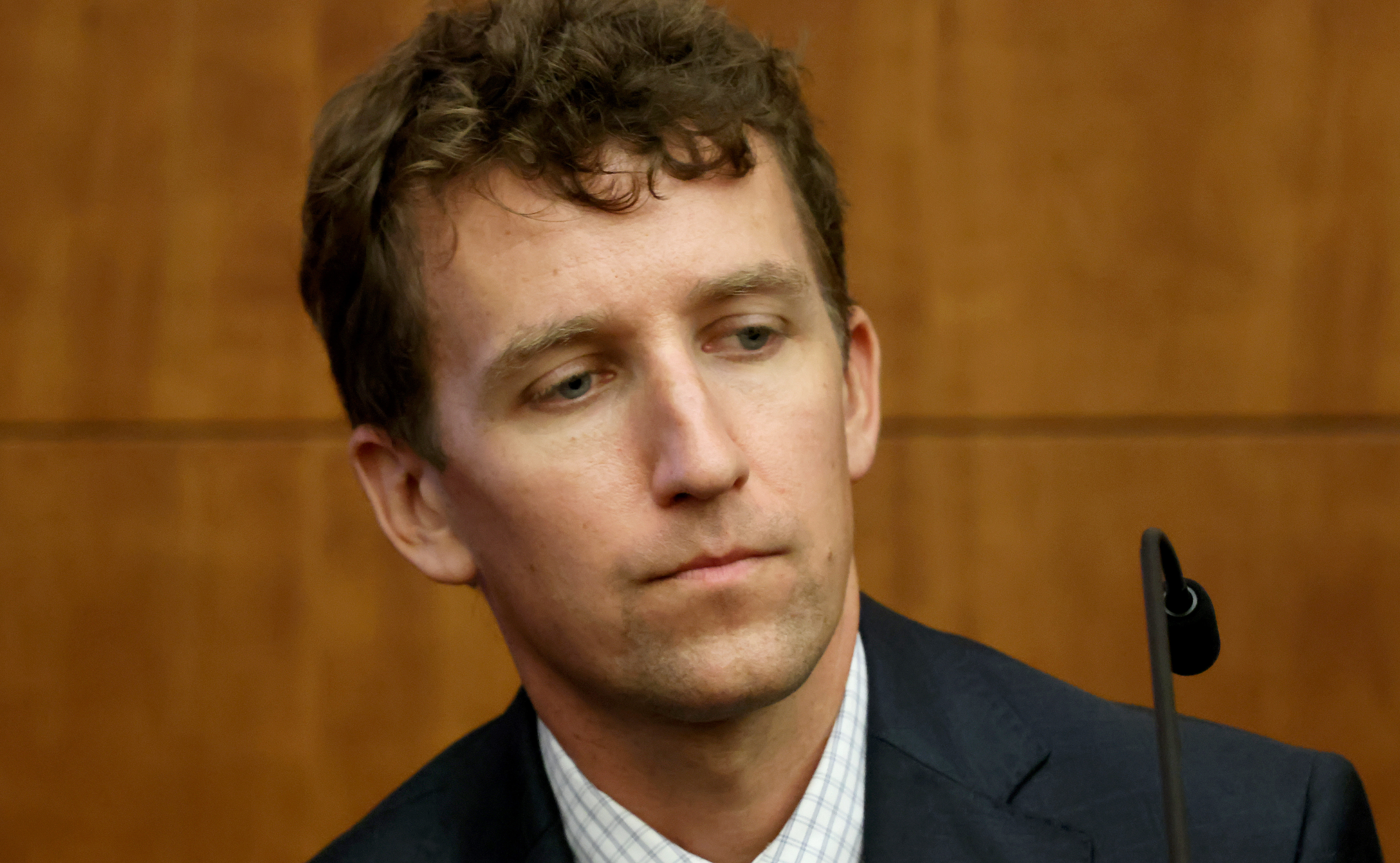
Howard Cooper: Patrick Clancy Lawyer Defamation Threat Issued Over Conspiracy Theories
Summary
- Patrick Clancy's attorney, Howard Cooper, has threatened legal action against individuals spreading conspiracy theories.
- These theories falsely claim Patrick Clancy was involved in the deaths of his three children.
- The threats follow the conclusion of Lindsay Clancy's trial, which ended in a mistrial on September 4, 2026, and the subsequent online spread of these baseless allegations.
- Lindsay Clancy admitted through her lawyer to killing her children in January 2023 but pleaded not guilty due to alleged mental illness.
- Cooper stated his client has been subjected to an "escalating campaign of misinformation and defamatory statements."
Legal Threat Issued Against Conspiracy Theorists
This aggressive stance marks a significant effort to protect Patrick Clancy's reputation against a growing wave of online misinformation.
Howard Cooper, the attorney representing Patrick Clancy, has issued a stern warning to individuals propagating conspiracy theories that falsely implicate his client in the deaths of his three children. Cooper explicitly stated that those disseminating "blatant and baseless falsehoods" would face consequences, emphasizing that "enough is enough." This aggressive stance marks a significant effort to protect Patrick Clancy's reputation against a growing wave of online misinformation.
The lawyer's statement, made on a Tuesday morning, directly addresses the escalating campaign of defamatory statements targeting the ex-husband of Lindsay Clancy. The Patrick Clancy lawyer defamation threat aims to halt the spread of unsubstantiated rumors suggesting his involvement in the tragic events. This proactive measure underscores a determined effort to combat the online attacks and ensure accountability for those spreading harmful untruths.
This move by Howard Cooper signals a clear intent to pursue legal action against those responsible for the online defamation. The firm is taking a firm stand against the proliferation of unverified claims, particularly those that compound the trauma already experienced by Patrick Clancy. The warning highlights the serious nature of the allegations being made online and the commitment to defending his client's character.
Background of the Underlying Tragedy and Online Speculation
The legal threat follows the recent conclusion of Lindsay Clancy's trial, which ended in a mistrial due to a deadlocked jury on Friday, September 4, 2026. During these court proceedings, online platforms saw a surge in conspiracy theories suggesting Patrick Clancy's involvement in the tragic deaths of his children. These claims emerged despite no such allegations being presented or discussed in court, as reported by CBS News Boston.
Lindsay Clancy, through her legal counsel, had previously admitted to killing her three children in their Duxbury, Massachusetts, residence in January 2023. She entered a plea of not guilty to first-degree murder, asserting that her mental state at the time rendered her incapable of distinguishing right from wrong. The emergence of these online narratives, particularly after the trial's conclusion, has intensified the need for Patrick Clancy's lawyer to address the defamation threat directly.
The online speculation has created a challenging environment for Patrick Clancy, who has been subjected to an escalating campaign of misinformation. The baseless nature of these claims, which contradict the admitted facts of the case, underscores the urgency of the legal team's response to protect his reputation.
Combating Defamation and Misinformation
Howard Cooper articulated that his client, Patrick Clancy, has been subjected to an "escalating campaign of misinformation and defamatory statements." This characterization underscores the severity of the online attacks and the potential for significant harm to his client's personal and public image. The lawyer's decision to threaten legal action against those promoting these conspiracy theories highlights a proactive strategy for Patrick Clancy reputation protection.
The goal of this Howard Cooper conspiracy theory legal action is to curb the spread of false narratives that have no basis in fact or court proceedings. This move serves as a clear signal that the family will not tolerate the propagation of unsubstantiated rumors, particularly those that compound the trauma of their loss. The potential for a Massachusetts internet misinformation lawsuit looms for those who continue to spread these harmful allegations, emphasizing the serious legal ramifications involved.
By taking such an aggressive stance, Cooper aims to draw a clear line against online harassment and the dissemination of untruths. This approach seeks to not only protect Patrick Clancy but also to deter others from engaging in similar defamatory conduct in high-profile cases.
Implications for Online Reputation Management
This aggressive legal strategy by Patrick Clancy's lawyer against online defamation and conspiracy theories sets a precedent for how individuals caught in high-profile public scrutiny might combat internet misinformation. The explicit threat of legal action against those spreading rumors about the father's involvement in the murders underscores a growing trend where legal avenues are pursued to protect personal reputations from baseless online attacks. It signals a shift towards more direct and forceful measures to address the proliferation of unverified claims, particularly when they target individuals already enduring immense personal tragedy.
This case could influence future approaches to managing online reputation and addressing defamatory content in the digital age, emphasizing the potential for a Massachusetts internet misinformation lawsuit as a tool for redress. The proactive stance taken by Howard Cooper demonstrates an aggressive legal strategy to combat online defamation and misinformation targeting individuals caught in high-profile public scrutiny. Lawyers should note the proactive use of legal threats against conspiracy theorists as a tool for reputation management and consider its applicability when advising clients facing similar online attacks.
The Lindsay Clancy ex-husband online defamation situation highlights the challenges individuals face in controlling their narrative amidst widespread internet speculation. The legal team's response is a significant step in asserting control over the public discourse surrounding Patrick Clancy and his family. A status hearing in the case is scheduled for September 29, 2026, to determine the next steps, including the possibility of a retrial.
Practical Implications
This case demonstrates an aggressive legal strategy to combat online defamation and misinformation targeting individuals caught in high-profile public scrutiny. Lawyers should note the proactive use of legal threats against conspiracy theorists as a tool for reputation management and consider its applicability when advising clients facing similar online attacks.
Source
How does this affect you?
Get an AI analysis of this article grounded in your jurisdictions, practice areas, and any policy documents you've uploaded to Wansom.
Finish Reading the Full Story and the Expert Analysis.
Get the latest legal & regulatory intelligence in United States
Wansom is AI and can make mistakes.