
Abdou Gningue: Addresses Sénégal's Dossiers Fonciers Litigieux
Summary
- Abdou Gningue, former Director of Domaines, testified before a parliamentary inquiry commission on October 9, 2026, regarding land management.
- He stated that most disputed land allocation files were already suspended when he began his tenure from May 2024 to August 2026.
- A technical committee was established to review land operations, ensuring their regularity and preventing issues like land grabbing.
- Several draft decrees are in preparation to address problematic land operations and declare certain sites for public utility.
- Gningue also highlighted the need for periodic re-evaluation of the 100-meter Domaine Public Maritime boundary due to environmental changes.
Parliamentary Scrutiny and Land Management Challenges
Lawyers advising on real estate transactions or land disputes must recognize that these developments, particularly the focus on Abdou Gningue dossiers fonciers litigieux Sénégal, necessitate increased due diligence.
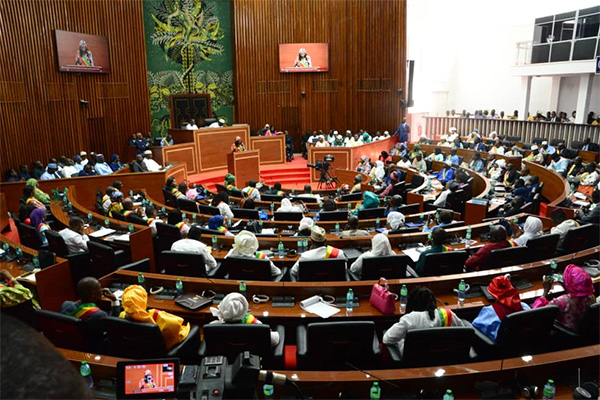
Abdou Gningue, who served as Director of Domaines from May 2024 to August 2026, recently appeared before a parliamentary inquiry commission. This session, held on Friday, October 9, 2026, focused on the intricate challenges of land and state property management in Senegal. The commission specifically delved into `dossiers fonciers litigieux Sénégal`, including land allocations in Dakar and Thiès, and matters concerning the Domaine Public Maritime (DPM).
During his testimony, Gningue clarified that the majority of the contentious land allocation files, particularly those related to `lotissements Dakar Thiès`, had already been placed under suspension by the relevant authorities prior to his assumption of the directorship. This statement provided a crucial context to the ongoing investigation into land irregularities.
Mechanisms for Oversight and Reform
To enhance control over land operations and address systemic issues, a specialized technical committee was established. This `comité technique opérations foncières`'s mandate involves a meticulous, case-by-case examination of land files. Its primary objective is to confirm the physical existence of the land parcels and verify the legality and regularity of the associated operations before any clearances (quitus) are issued. This proactive measure aims to counteract land grabbing and prevent significant irregularities within the `gestion foncière domaniale Sénégal`.
Furthermore, in an effort to rectify past anomalies and streamline future land use, several `projets décrets fonciers Sénégal` have been drafted, and some have already been enacted. These decrees are designed to either annul or reconfigure existing land operations, or to designate specific sites as being of public utility. Notable areas targeted by these legislative initiatives include the Nouvelle Ville de Thiès, the Plan d’urbanisme de détail (PUD) of Guédiawaye, and the Hangar des Pèlerins, indicating a broad governmental effort to reform land administration.
Addressing Domaine Public Maritime Delimitation
The `Abdou Gningue commission parlementaire` also addressed the critical issue of the `Domaine public maritime délimitation`. Gningue explained that the current demarcation relies on a 100-meter band, measured inland from the highest recorded water mark. This established parameter serves as a foundational element for defining coastal public property.
However, Gningue underscored the necessity for regular reassessments of this 100-meter boundary. He cited the dynamic nature of Senegal's coastline, specifically mentioning the continuous evolution of the coastal strip and the progressive advancement of the sea, as compelling reasons for periodic re-evaluation to ensure accurate and relevant land management in these sensitive zones.
Implications for Land Transactions in Senegal
The ongoing parliamentary inquiry and the operational framework of the technical committee signal a heightened scrutiny over land transactions in Senegal. Lawyers advising on real estate transactions or land disputes must recognize that these developments, particularly the focus on `Abdou Gningue dossiers fonciers litigieux Sénégal`, necessitate increased due diligence. The government's proactive stance on `gestion foncière domaniale Sénégal` implies a more rigorous environment for verifying land titles and usage rights.
This intensified oversight, coupled with the preparation of new decrees, indicates potential shifts in land ownership, usage rights, and the validity of existing titles, especially concerning previously disputed files and areas within the Domaine Public Maritime. Legal professionals should therefore remain acutely aware of these evolving regulatory landscapes to effectively guide their clients through the complexities of the Senegalese land market.
Practical Implications
Lawyers advising on real estate transactions or land disputes in Senegal should be aware of the ongoing parliamentary scrutiny and the technical committee's role in reviewing land operations, as this indicates increased due diligence requirements and potential changes to land titles or usage, particularly concerning disputed files and Domaine Public Maritime areas.
Source
Source: Original reporting via Actusen
How does this affect you?
Get an AI analysis of this article grounded in your jurisdictions, practice areas, and any policy documents you've uploaded to Wansom.
Finish Reading the Full Story and the Expert Analysis.
Get the latest legal & regulatory intelligence in Senegal
Wansom is AI and can make mistakes.