
California Federal Court: Oura Faces Sleep Tracking Class Action Over Accuracy Claims
Summary
- A class action lawsuit has been filed against Oura in California federal court.
- The lawsuit alleges Oura falsely advertises its smart ring's sleep tracking accuracy, claiming up to 95%.
- Plaintiffs argue Oura's device cannot measure brain activity or eye movements required for clinical sleep staging.
- The complaint cites a 2025 Nature study indicating Oura rings achieved only about 53% sleep-stage accuracy over 45 nights.
- This case highlights increasing legal scrutiny on health tech marketing claims and AI-generated data accuracy.
Class Action Targets Oura's Accuracy Claims
This Oura sleep tracking class action in California highlights growing scrutiny over health tech accuracy claims.
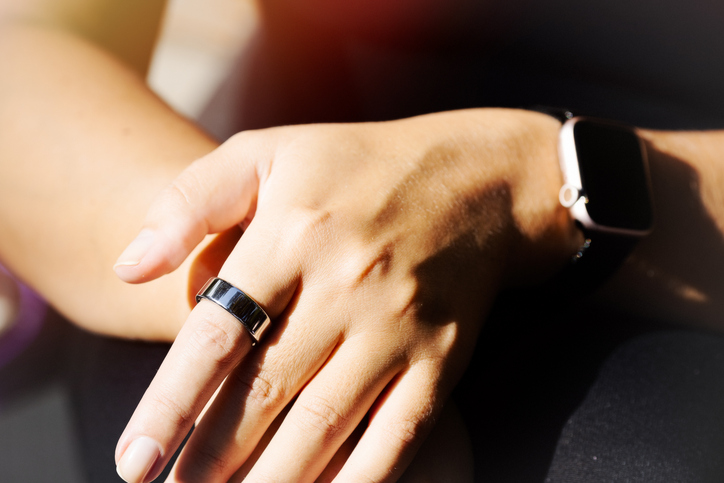
A significant consumer protection class action has recently been initiated against Oura, the maker of the popular Oura smart ring. The lawsuit, filed in a California federal court, alleges that the company has engaged in false advertising concerning the sleep tracking accuracy of its wearable device. Specifically, the plaintiffs contend that Oura's marketing materials, which claim up to 95% accuracy for sleep stage tracking, are unsubstantiated and misleading to consumers. This Oura sleep tracking class action in California highlights growing scrutiny over health tech accuracy claims.
The Science Behind Sleep Tracking
The lawsuit against Oura delves into the fundamental differences between how clinical sleep stages are traditionally identified and the methodology employed by the Oura ring. According to the complaint, accurately determining sleep stages typically necessitates specialized clinical equipment, such as scalp electrodes to measure brain activity and eye sensors to track eye movements. These physiological indicators are considered essential for a precise assessment of sleep architecture.
In contrast, the Oura smart ring, a finger-worn sensor, relies on AI-generated estimates derived from proxy signals like heart rate and movement. The complaint asserts that because the device cannot directly measure brain activity or eye movements, its ability to accurately track sleep stages is inherently limited. Further bolstering this argument, the lawsuit references a 2025 study published in Nature, which reportedly found that Oura rings achieved only approximately 53% sleep-stage accuracy when evaluated across 45 nights of data. This discrepancy between advertised accuracy and scientific findings forms a critical component of the consumer protection class action.
Implications for Health Tech Marketing
This Oura smart ring lawsuit carries significant implications for the broader health technology sector and companies developing AI health devices. It serves as a stark reminder that marketing claims, especially those related to the scientific accuracy and health benefits of wearable technology, are subject to rigorous legal and scientific scrutiny. The case underscores the increasing expectation that companies provide robust, verifiable evidence to back up their product functionalities, moving beyond mere algorithmic estimations.
For legal professionals advising health tech or wearable device companies, this litigation emphasizes the critical need to meticulously review client marketing claims. Particular attention should be paid to assertions regarding product accuracy and any data generated by artificial intelligence. Mitigating risks associated with false advertising and consumer protection litigation requires a proactive approach, ensuring that all promotional content is firmly grounded in validated scientific research. The outcome of this California federal court lawsuit could set precedents for how accuracy claims are evaluated in the rapidly evolving market of health-monitoring wearables.
Practical Implications
Lawyers advising health tech or wearable device companies should review client marketing claims, particularly those related to product accuracy and AI-generated data, to mitigate false advertising and consumer protection litigation risks. This case highlights the increasing scrutiny on scientific backing for health-related product functionalities.
Source
How does this affect you?
Get an AI analysis of this article grounded in your jurisdictions, practice areas, and any policy documents you've uploaded to Wansom.
Finish this article free. Just your email for instant unlock.
Wansom is AI and can make mistakes.