
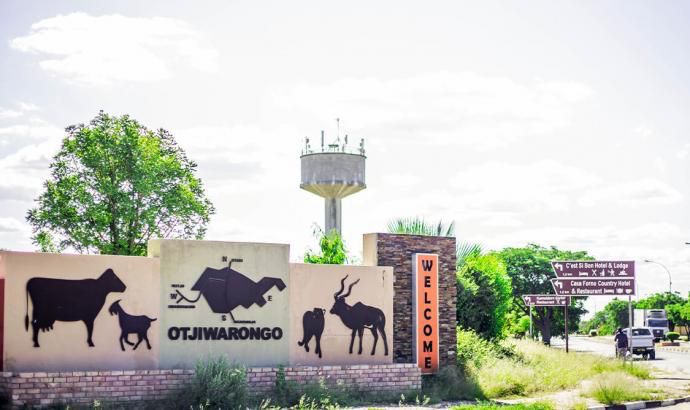
Otjiwarongo Municipality: Issues Roaming Livestock Warning
Summary
- The Municipality of Otjiwarongo has issued a warning to livestock owners regarding animals roaming or grazing within the town.
- Chief Executive Mberipura Hifitikeko issued the public notice on Monday.
- The directive was prompted by public safety concerns and a recent foot-and-mouth disease outbreak.
- Municipal officials have observed numerous unattended animals within the town's boundaries.
- The warning signals a stricter enforcement approach to existing animal control regulations.
Municipal Action Initiated
The municipality's firm stance, driven by critical public health and safety concerns, means that owners must prioritize responsible animal management to avoid potential legal repercussions and contribute to the overall welfare of the community and the containment of animal diseases.
The Municipality of Otjiwarongo has issued a stern warning to livestock owners, instructing them to prevent their animals from roaming or grazing freely within the town's boundaries. This directive, communicated via a public notice on Monday, underscores a heightened focus on animal control within the urban area. The municipality's chief executive, Mberipura Hifitikeko, highlighted that officials have observed numerous animals wandering unattended throughout Otjiwarongo, prompting this official communication.
This Otjiwarongo roaming livestock warning signals a more proactive stance by local authorities regarding animal management. The notice specifically addresses the presence of livestock such as cattle, goats, and sheep within residential and commercial zones, which can pose various challenges to urban living. The municipality's observation of these unattended animals suggests a perceived increase in non-compliance with existing regulations, necessitating a public reminder and a clear statement of intent regarding enforcement.
The issuance of the notice by Mberipura Hifitikeko, a key municipal official, lends significant weight to the warning. It indicates that the municipality is not merely making an informal request but is formally communicating a policy enforcement position. This official communication serves as a foundational step in what could become a more rigorous application of Namibia municipal livestock regulations, aiming to restore order and address the underlying issues that prompted the warning.
Underlying Concerns and Regulations
The municipality's decision to issue the Otjiwarongo animal control notice is rooted in two primary concerns: public safety and the recent outbreak of foot-and-mouth disease. Roaming livestock within urban areas presents significant public safety hazards, including the potential for traffic accidents involving vehicles and pedestrians. Such animals can also cause property damage, disrupt public spaces, and create unsanitary conditions, impacting the overall quality of life for residents.
Beyond immediate safety issues, the recent Otjiwarongo foot-and-mouth disease outbreak adds a critical layer of urgency to the municipality's warning. Foot-and-mouth disease (FMD) is a highly contagious viral disease affecting cloven-hoofed animals, and its spread can have devastating economic consequences for the agricultural sector. Allowing livestock to roam freely within town limits significantly increases the risk of disease transmission, not only among animals but also potentially to other areas, making containment efforts more challenging. This concern aligns with broader Namibia animal welfare enforcement efforts, which often include measures to prevent disease spread.
By explicitly citing both public safety and the FMD outbreak, the municipality is emphasizing the dual imperative behind its actions. It is not merely a matter of nuisance control but a crucial step in safeguarding both human well-being and the health of the region's animal population and economy. The warning serves as a reminder to owners of their responsibility under existing municipal and national animal control frameworks.
Implications for Livestock Owners
For livestock owners in Otjiwarongo, this warning from the municipality carries significant implications. The explicit mention of unattended animals constituting a problem suggests that authorities are prepared to take action against non-compliant owners. While the notice itself is a warning, it strongly implies that continued disregard for the directive could lead to penalties, such as fines or the impoundment of animals found roaming within the town.
The Mberipura Hifitikeko notice effectively puts owners on notice that the era of lax enforcement, if it existed, is over. Owners are now expected to take immediate and effective measures to secure their livestock, ensuring they do not stray into public areas. Failure to do so could result in direct financial costs and the loss of their animals, underscoring the municipality's commitment to enforcing its regulations.
This development highlights the importance for livestock owners to be fully aware of and comply with local animal control ordinances. The municipality's firm stance, driven by critical public health and safety concerns, means that owners must prioritize responsible animal management to avoid potential legal repercussions and contribute to the overall welfare of the community and the containment of animal diseases.
Practical Implications
Lawyers advising livestock owners in Otjiwarongo should inform clients of the increased enforcement risk and potential penalties for unattended animals, especially given public safety and disease concerns. This signals a stricter stance by the municipality on existing animal control regulations, which could lead to fines or impoundment.
Source
How does this affect you?
Get an AI analysis of this article grounded in your jurisdictions, practice areas, and any policy documents you've uploaded to Wansom.
Finish Reading the Full Story and the Expert Analysis.
Get the latest legal & regulatory intelligence in Namibia
Wansom is AI and can make mistakes.