
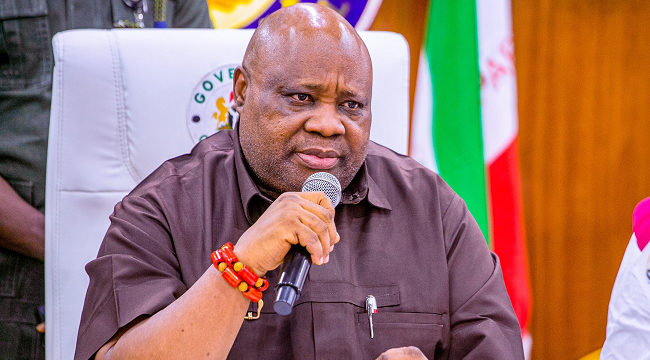
Osun Governor Adeleke: Urges IGP to Arrest Senator Fadahunsi
Summary
- Osun State Governor Ademola Adeleke has requested the Inspector-General of Police, Tunji Disu, to arrest and prosecute Senator Francis Fadahunsi.
- Senator Fadahunsi, who represents the Osun East Senatorial District, is accused of threatening to kill members of the Accord Party.
- The governor's appeal highlights a serious allegation against a sitting public official, calling for legal accountability.
- The IGP's decision will be crucial in determining the legal consequences for high-ranking political figures in Nigeria.
What Happened
Lawyers should monitor the Inspector-General of Police's response to Governor Adeleke's request, as it could initiate high-profile criminal proceedings against a sitting senator, potentially influencing the legal accountability framework for public officials in Nigeria.
Osun State Governor Ademola Adeleke has formally urged the Inspector-General of Police (IGP), Tunji Disu, to initiate the arrest and subsequent prosecution of Senator Francis Fadahunsi. Senator Fadahunsi, who represents the Osun East Senatorial District, is accused of making threats to kill members of the Accord Party. This direct appeal from a state governor to the nation's top police official highlights a serious allegation involving a high-ranking political figure.
The governor's request specifically targets Senator Fadahunsi, seeking a police intervention that could lead to criminal proceedings. The alleged threats against Accord Party members form the basis of Governor Adeleke's urgent call for action from IGP Tunji Disu. This development places the spotlight on the conduct of public officials and the mechanisms for addressing serious allegations within the political landscape of Osun.
Legal and Regulatory Context
The Inspector-General of Police holds significant authority within Nigeria's law enforcement framework, empowered to order arrests and initiate prosecutions for alleged criminal offenses. Governor Adeleke's request to IGP Tunji Disu invokes this power, seeking accountability for Senator Fadahunsi under the criminal justice system. The legal framework dictates that no individual, regardless of their political office, is above the law, and allegations of threats to life are treated with utmost gravity.
In Nigeria, the police are generally responsible for investigating criminal complaints and, where sufficient evidence exists, bringing charges. The involvement of a sitting senator, representing the Osun East Senatorial District, in such an allegation raises complex questions regarding parliamentary immunity and the process for prosecuting high-profile individuals. The IGP's response to Governor Adeleke's call for the arrest of Senator Fadahunsi will be a critical test of the principle of legal equality and the independence of law enforcement in pursuing justice without political interference. This situation underscores the legal accountability framework for public officials in Nigeria, emphasizing that even those in powerful positions can face criminal proceedings based on credible allegations.
Why It Matters
This development carries substantial implications for political conduct and legal accountability within Nigeria. The request by Governor Ademola Adeleke for the arrest of Senator Fadahunsi over alleged threats to Accord Party members signals a firm stance against perceived political violence or intimidation. Such an action by a state governor against a federal legislator from the same state underscores the gravity of the allegations and the potential for inter-party or intra-state political tensions to escalate into legal challenges.
Lawyers should monitor the Inspector-General of Police's response to Governor Adeleke's request, as it could initiate high-profile criminal proceedings against a sitting senator, potentially influencing the legal accountability framework for public officials in Nigeria. The decision by the IGP will not only determine the fate of Senator Fadahunsi but also send a clear message about the commitment of law enforcement to uphold the rule of law, irrespective of political affiliation or status. This case highlights the crucial role of the police in safeguarding citizens, including members of political parties, from threats and ensuring that those who allegedly issue such threats are held responsible.
Practical Implications
Lawyers should monitor the Inspector-General of Police's response to Governor Adeleke's request, as it could initiate high-profile criminal proceedings against a sitting senator, potentially influencing the legal accountability framework for public officials in Nigeria.
Source
How does this affect you?
Get an AI analysis of this article grounded in your jurisdictions, practice areas, and any policy documents you've uploaded to Wansom.
Wansom is AI and can make mistakes.