
OSP Ghana: GH¢70k Vetting Probe Credibility Questioned
Summary
- An alleged GH¢70,000 payment linked to parliamentary vetting has prompted a preliminary investigation by Ghana's Office of the Special Prosecutor.
- A purported memo attributed to Deputy Majority Leader Patricia Appiagyei claimed she returned the money, but she denies the bribery allegation and calls the memo fabricated.
- NPP Communications Team member Kwasi Kwarteng expressed a lack of trust in the OSP's ability to independently probe the matter.
- Kwarteng called for other state institutions to also investigate the allegations to ensure a credible resolution.
- The controversy highlights potential challenges to the perceived independence and effectiveness of Ghana's anti-corruption enforcement.
Allegations Spark Parliamentary Vetting Probe
The credibility of the ongoing Office of the Special Prosecutor Ghana investigation into the GH¢70,000 parliamentary vetting alleged payment has been openly questioned, raising concerns about the OSP GH¢70k parliamentary vetting probe credibility.
A significant controversy has emerged concerning an alleged payment of GH¢70,000, purportedly linked to the parliamentary vetting process for ministerial and Supreme Court nominees in Ghana. This development has prompted the Office of the Special Prosecutor (OSP) to initiate preliminary investigations. The OSP's inquiry aims to ascertain whether such a payment was indeed made, to identify its origin, and to understand the specific circumstances surrounding the transaction.
The dispute gained traction following the circulation of a document, presented as a memorandum, which was attributed to Patricia Appiagyei, who serves as both Deputy Majority Leader and the Member of Parliament for Asokwa. This purported memo claimed that Mrs. Appiagyei had returned the GH¢70,000, which she allegedly received as an advance from the Majority Chief Whip in connection with the vetting exercise. However, Mrs. Appiagyei has vehemently denied the bribery allegation, asserting that the circulating memorandum is a fabrication.
Despite the denial, the contentious claims have intensified calls for a thorough examination. Stakeholders are demanding a comprehensive probe to determine the veracity of the alleged payment, identify any individuals involved in making or receiving it, clarify its intended purpose, and establish whether any parliamentary regulations or national laws were violated in the process.
Credibility Concerns Over OSP Investigation
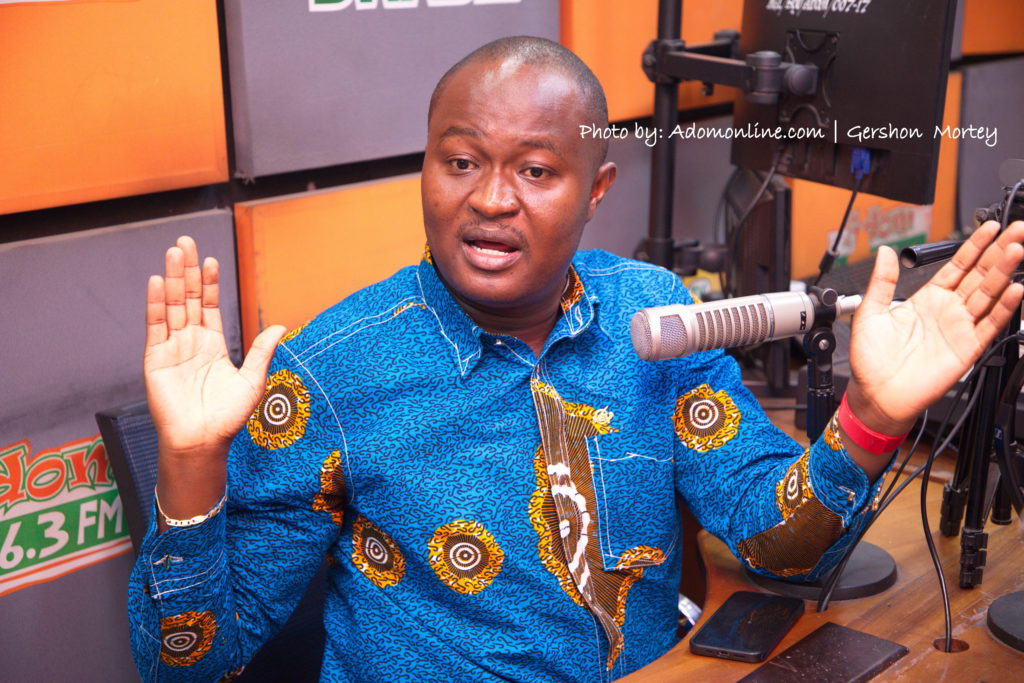
The credibility of the ongoing Office of the Special Prosecutor Ghana investigation into the GH¢70,000 parliamentary vetting alleged payment has been openly questioned, raising concerns about the OSP GH¢70k parliamentary vetting probe credibility. Kwasi Kwarteng, a prominent member of the New Patriotic Party (NPP) Communications Team, publicly voiced his reservations regarding the OSP's capacity to independently and effectively establish the facts of the matter. Speaking to Channel One TV on Saturday, September 5, Mr. Kwarteng explicitly stated his lack of confidence in the current state and form of the OSP.
Mr. Kwarteng's remarks, encapsulated by his declaration, "No, I don’t trust OSP. The current office, in this current form, in this current state, it’s not something that I have so much confidence in," underscore a significant challenge to public trust in the institution. His statements highlight a broader sentiment that could impact the perceived independence and effectiveness of the Office of the Special Prosecutor Ghana investigation, particularly in high-profile cases involving political figures like the Patricia Appiagyei bribery allegation.
Despite his skepticism regarding the OSP, Mr. Kwarteng emphasized the critical importance of resolving the allegations. He advocated for a broader institutional scrutiny, suggesting that even if the OSP conducts an investigation, other state bodies should also undertake independent inquiries. This call for multiple investigative avenues reflects a desire among some for a more robust and widely trusted process to get to the root of the matter, ensuring that the allegations do not go unaddressed and that public confidence in anti-corruption efforts is maintained.
Implications for Ghana's Anti-Corruption Enforcement
This incident and the subsequent public questioning of the OSP's capabilities underscore potential Ghana anti-corruption enforcement challenges. The Office of the Special Prosecutor was established with a mandate to independently investigate and prosecute corruption offenses, yet public statements of distrust, such as those made by Kwasi Kwarteng, can significantly undermine its authority and public perception.
The demand for multiple investigative bodies to probe the alleged GH¢70,000 payment, despite the OSP's ongoing preliminary inquiry, signals a perceived deficit in the singular effectiveness or impartiality of the primary anti-corruption agency. Such sentiments can complicate efforts to combat corruption, as public and political buy-in are crucial for successful enforcement.
Ultimately, the resolution of this particular case, including the Patricia Appiagyei bribery allegation and the broader issue of the parliamentary vetting alleged payment, will be a critical test for Ghana's anti-corruption framework. The outcome, and the manner in which it is reached, could either reinforce or further erode public trust in the institutions tasked with upholding integrity and accountability in the nation's governance.
Practical Implications
This development highlights potential challenges to the perceived independence and effectiveness of Ghana's Office of the Special Prosecutor in handling high-profile corruption cases. Lawyers and compliance officers should monitor this situation closely, as it could impact legal strategies for clients facing OSP investigations or advising on anti-corruption compliance, potentially necessitating consideration of alternative investigative avenues or heightened scrutiny of OSP processes.
Source
How does this affect you?
Get an AI analysis of this article grounded in your jurisdictions, practice areas, and any policy documents you've uploaded to Wansom.
Finish Reading the Full Story and the Expert Analysis.
Wansom is AI and can make mistakes.