
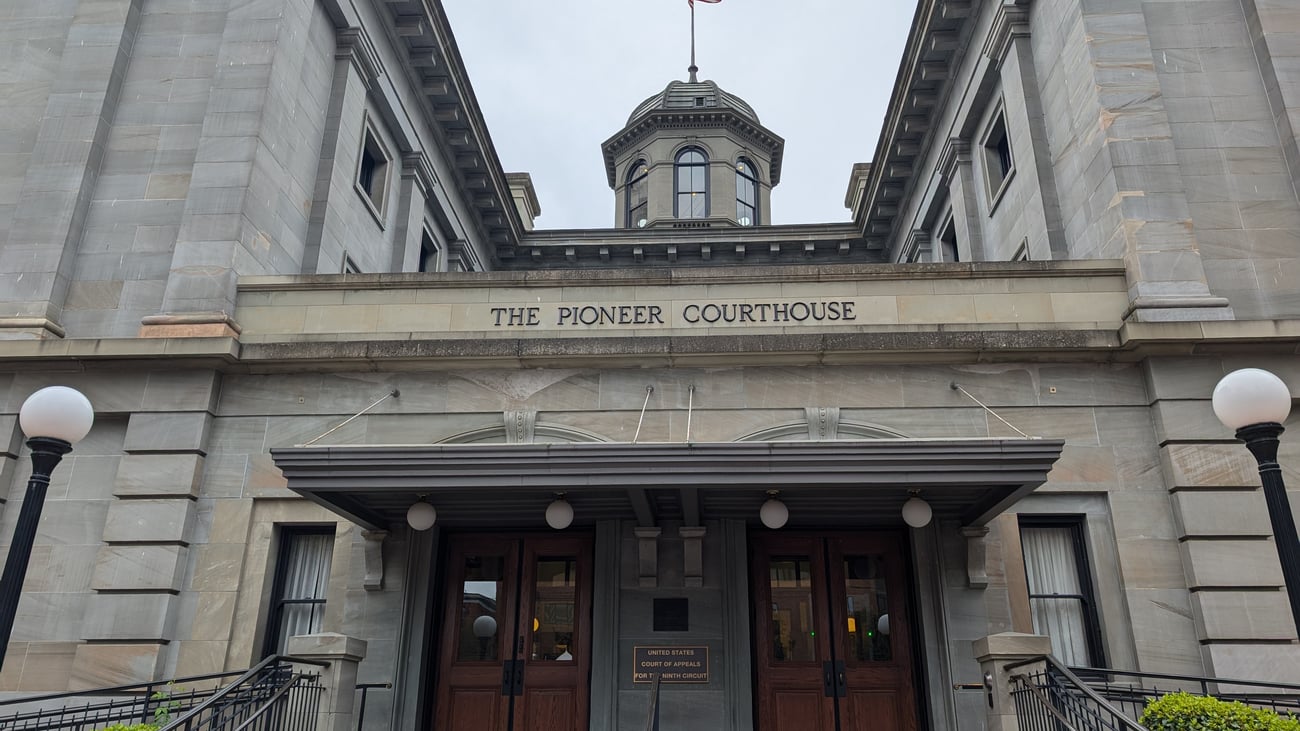
Oregon: Ninth Circuit Contempt Over Psychiatric Hospital Delays
Summary
- Oregon is appealing a federal contempt finding over delays in admitting criminal defendants to the Oregon State Hospital for mental health treatment.
- The state has incurred over $4 million in fines for failing to meet a 2002 injunction requiring admission within seven days for individuals found unable to stand trial.
- Oregon argues the district court improperly relied on an expert report that was not admitted into evidence, denying the state a chance to rebut its findings.
- Advocates for the mentally ill contend the state had opportunities to challenge the report earlier and that its arguments about "tone" are unfounded.
- The Oregon State Hospital is currently in compliance, but the definition of "substantial compliance" required to purge the contempt remains unclear.
Contempt Finding Challenged in Ninth Circuit
This appeal highlights significant procedural complexities inherent in institutional reform litigation, particularly when state agencies face contempt charges for non-compliance with court orders.
Oregon is currently appealing a federal court's contempt finding before the Ninth Circuit, contesting penalties imposed due to persistent delays in admitting criminal defendants requiring mental health treatment to the Oregon State Hospital. The state has already accumulated over $4 million in fines stemming from this contempt order. This legal challenge represents the latest development in a long-standing dispute over the timely admission of individuals to the state's psychiatric facility, focusing on Oregon Ninth Circuit contempt psychiatric hospital issues.
The underlying litigation began with a lawsuit filed by Metropolitan Public Defenders and Disability Rights Oregon, then known as the Oregon Advocacy Center, alleging civil rights violations against mentally ill individuals. This legal action led to a 2002 federal court ruling that declared it unconstitutional to detain a mentally incompetent person in jail for more than seven days. Consequently, a permanent injunction was issued, mandating that the Oregon State Hospital admit any detainee deemed unable to stand trial within this seven-day period, establishing the seven-day admission rule Oregon must follow. Last June, U.S. District Judge Adrienne Nelson held the hospital in contempt for failing to adhere to this critical seven-day admission rule. At the time of that contempt hearing, the average waiting period for a criminal detainee to be transferred from jail to the hospital was 29 days. Judge Nelson subsequently imposed a daily fine of $500 for each class member affected by the non-compliance.
Procedural Objections to Evidence Use
Central to Oregon's appeal is the argument that the district court improperly based its contempt finding on information that was not formally admitted into evidence, thereby denying the state an opportunity to rebut it. Lee Salmon, representing the state, asserted before the appeals panel that the lower court relied on a May 2025 report prepared by court-appointed neutral expert Dr. Debra Pinals, rather than the evidence presented during the March 2025 contempt hearing. The state contended that this report, described as having a "general tenor" that was "fairly negative" toward the hospital's efforts, introduced new information after the hearing, impacting the Oregon State Hospital admission delays.
Oregon's legal team argued that if they had been given the chance, they would have called witnesses, cross-examined the court-appointed expert, and presented additional evidence to counter the report's findings. They specifically pointed to the lower court's alleged reliance on post-hearing developments, including personnel changes, management of capacity issues, and delays in Medicaid policy reform, as factors improperly considered in the contempt determination. U.S. Circuit Judge Michelle Friedland acknowledged the state's argument regarding the reliance on new, un-rebutted information but expressed difficulty in identifying what specific information was truly "new" in the context of the Ninth Circuit mental health contempt.
Advocates' Rebuttal and Current Compliance
Attorneys for the advocacy groups, including Thomas Stenson of Disability Rights Oregon, strongly disagreed with the state's procedural objections. Stenson dismissed the idea that a district court would be swayed by a "slight difference in tone" between the contempt hearing and the expert's report, calling such a notion "absurd." He further contended that the state had ample opportunity to challenge the information contained in the expert's report but failed to take affirmative steps to do so until the report was cited in the court's ruling, a key point in the Disability Rights Oregon lawsuit.
U.S. District Judge Robert Lasnik, sitting by designation on the appeals panel, questioned whether the state was effectively blaming the opposing side for its own inaction. Stenson countered that the information in question "was not something that came out of left field," implying the state was aware of its contents. Despite the ongoing legal battle, the Oregon State Hospital has reportedly achieved compliance with the court order and has maintained this status for the past three months. However, the exact benchmark for "substantial compliance," which would lead to the purging of the contempt order and associated fines, remains undefined, creating an ongoing challenge for the state following the Judge Adrienne Nelson contempt appeal.
Implications for Institutional Reform Litigation
This appeal highlights significant procedural complexities inherent in institutional reform litigation, particularly when state agencies face contempt charges for non-compliance with court orders. The state's argument regarding the use of un-rebutted expert evidence in a contempt finding raises critical questions about due process and the scope of evidence considered in such proceedings. For lawyers involved in similar cases, Oregon's challenge underscores the importance of meticulously documenting and challenging all evidence presented, even that from court-appointed experts, to ensure a fair opportunity for rebuttal.
The case also illustrates the persistent difficulties in enforcing compliance with court-ordered deadlines for mental health admissions, even decades after initial injunctions are issued. The substantial financial penalties incurred by Oregon, exceeding $4 million, demonstrate the serious consequences of failing to meet these mandates. The undefined nature of "substantial compliance" further complicates the path to resolving such contempt orders, creating uncertainty for state agencies striving to meet judicial requirements while managing complex public health systems and addressing civil rights mental health Oregon concerns. This ongoing legal battle serves as a crucial example of the challenges in balancing judicial oversight with the practical realities of state institutional operations.
Practical Implications
Lawyers involved in institutional reform litigation or representing state agencies facing contempt charges should note Oregon's procedural arguments regarding the use of un-rebutted expert evidence in contempt findings. This case highlights the complexities of challenging contempt orders and the ongoing difficulties in enforcing compliance with court-ordered deadlines for mental health admissions.
Source
How does this affect you?
Get an AI analysis of this article grounded in your jurisdictions, practice areas, and any policy documents you've uploaded to Wansom.
Finish Reading the Full Story and the Expert Analysis.
Get the latest legal & regulatory intelligence in United States
Wansom is AI and can make mistakes.