
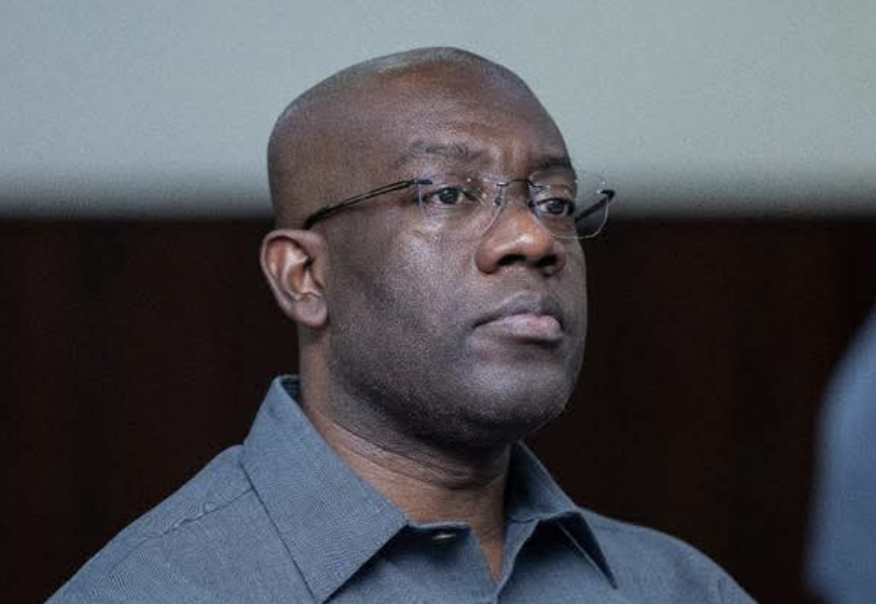
Oppong Nkrumah Ghana Supreme Court: Vacation Warrants Review Injunction Dismissed
Summary
- Kojo Oppong Nkrumah is seeking a Supreme Court review of a decision that dismissed his application to halt criminal trials during the legal vacation.
- Justice Gabriel Scott Pwamang had previously rejected Oppong Nkrumah's request for an interlocutory injunction on August 21, 2026.
- The initial application aimed to suspend Chief Justice Paul Baffoe-Bonnie's warrants allowing selected High Court judges to conduct criminal proceedings from August 1 to September 30.
- Oppong Nkrumah's substantive constitutional challenge, questioning equality before the law and administrative discretion, remains pending before the Supreme Court.
- His lawyer, Frank Davies, argued that conducting full criminal trials during vacation could compromise accused persons' rights to fair representation due to potential lawyer unavailability.
Background to the Challenge
Lawyers involved in criminal proceedings in Ghana, or those advising on constitutional and administrative law, must closely monitor these developments, as the rulings could significantly affect fair representation rights for accused persons and the interpretation of equality before law within the Ghana judiciary.
Kojo Oppong Nkrumah, the Member of Parliament for Ofoase-Ayirebi, initiated a significant legal challenge earlier this month by invoking the Supreme Court's original jurisdiction. His action targeted administrative warrants issued by Chief Justice Paul Baffoe-Bonnie, which permit selected High Court judges to preside over criminal proceedings during the annual legal vacation. This vacation period traditionally spans from August 1 to September 30.
The core of Mr. Oppong Nkrumah's substantive case revolves around fundamental constitutional questions. He contends that the Chief Justice's arrangement raises concerns regarding the principle of equality before the law and the appropriate exercise of administrative discretion within the Ghana judiciary. To temporarily halt the operation of these warrants while the Supreme Court deliberated on the broader constitutional issues, Mr. Oppong Nkrumah subsequently filed an application for an interlocutory injunction. This move underscored the urgency he attached to preventing the continuation of these specific legal vacation criminal proceedings Ghana.
The Initial Supreme Court Ruling
The application for an interlocutory injunction, however, did not succeed. On Friday, August 21, 2026, Justice Gabriel Scott Pwamang, sitting as a Justice, dismissed Mr. Oppong Nkrumah's request. Justice Pwamang concluded that the applicant had not presented a sufficiently compelling case to warrant the interim relief sought, thereby allowing the Chief Justice's warrants to remain in effect.
Furthermore, Justice Pwamang rejected the argument that the arrangement was discriminatory. The Court clarified that the warrants specifically authorized the designated judges to handle all cases already pending before their respective courts. The ruling explicitly stated, "It is clear on the face of the warrant that the judges are supposed to conduct all cases pending in their courts." Justice Pwamang also affirmed that the fact that criminal trials are not typically conducted during the legal vacation does not preclude the advancement of justice administration during that period.
Seeking Review and Ongoing Legal Battle
Undeterred by the initial setback, Mr. Oppong Nkrumah is now seeking a review of Justice Pwamang's decision. This latest development sees him heading back to the Supreme Court, requesting that the August 21, 2026, ruling be reversed. This action, an Oppong Nkrumah Ghana Supreme Court vacation review, aims to subject the earlier dismissal of his injunction application to renewed scrutiny by the apex court.
Despite the dismissal of the interlocutory injunction, the substantive constitutional challenge against the Ghana Chief Justice criminal trials warrants remains active and pending before the Supreme Court. Mr. Oppong Nkrumah has consistently clarified that his objection is not to the trial of accused persons in general, but specifically to the conduct of full criminal trials during the legal vacation under the current administrative framework. His lawyer, Frank Davies, previously articulated concerns that the continuation of such trials could potentially compromise accused persons' rights to fair representation, particularly given the potential unavailability of legal counsel during the vacation period.
Broader Implications and Judicial Administration
This ongoing legal challenge has ignited a significant public debate concerning the fundamental purpose of the annual legal vacation and the extent to which the judiciary can implement administrative measures to expedite the resolution of criminal cases. The Chief Justice's position, as reflected in the warrants and supporting arguments, suggests that the arrangement is designed to facilitate the swift disposal of criminal matters, aligning with broader goals of judicial efficiency.
The outcome of this Supreme Court review of Justice Pwamang's ruling, alongside the eventual decision on the substantive Ghana judicial administration constitutional challenge, holds profound implications. It will not only redefine the parameters of the Chief Justice's administrative powers but also potentially impact the scheduling of criminal trials during legal vacations. Lawyers involved in criminal proceedings in Ghana, or those advising on constitutional and administrative law, must closely monitor these developments, as the rulings could significantly affect fair representation rights for accused persons and the interpretation of equality before law within the Ghana judiciary.
Practical Implications
Lawyers involved in criminal proceedings in Ghana, or those advising on constitutional and administrative law, must closely monitor the Supreme Court's decisions on this challenge. The outcome could significantly impact the scheduling of criminal trials during legal vacations and redefine the scope of the Chief Justice's administrative powers, potentially affecting fair representation rights for accused persons.
Source
How does this affect you?
Get an AI analysis of this article grounded in your jurisdictions, practice areas, and any policy documents you've uploaded to Wansom.
Wansom is AI and can make mistakes.